
Hisense U8N
A mini-LED powerhouse that combines exceptional brightness, deep blacks, and vibrant QLED color with gaming-ready features, making premium TV performance accessible without the flagship price tag.
Updated January 28, 2026
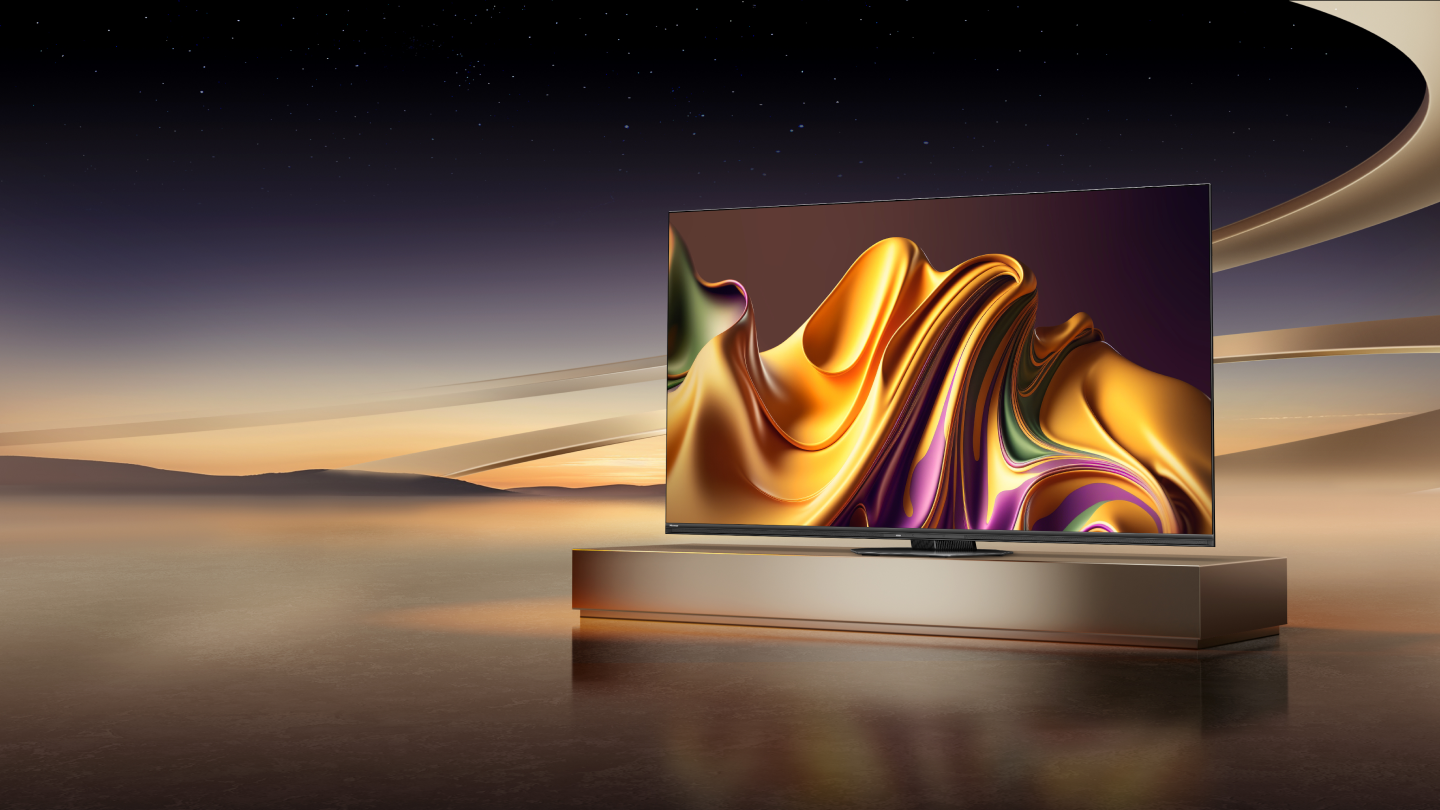
The Hisense U8N represents a compelling value proposition in the 2024 television market, delivering performance characteristics that rival far more expensive models. This mini-LED QLED television achieves record-breaking brightness levels exceeding 3,000 nits while maintaining impressive contrast ratios and color accuracy. Positioned as a successor to the popular U8K, the U8N refines its predecessor's formula with improved local dimming control across up to 2,000+ zones on larger models and enhanced gaming features including 144Hz refresh rates. Critics consistently praise its ability to deliver OLED-like black levels at a fraction of the cost, though some note compromises in viewing angles and motion processing. For consumers seeking theatrical brightness, gaming versatility, and excellent HDR performance without premium positioning, the U8N emerges as one of 2024's most recommended televisions.[2][3][4][5][6][7][1]
Pros
- Exceptional peak brightness reaching over 3,000 nits makes it ideal for bright rooms and delivers impactful HDR highlights
- Mini-LED backlighting with up to 2,000+ dimming zones produces deep blacks and minimal blooming comparable to OLED displays
- QLED quantum dot technology delivers vibrant, accurate colors covering 82% of the Rec2020 color gamut
- Comprehensive gaming features including 144Hz refresh rate, HDMI 2.1, VRR, and FreeSync Premium Pro support
- Google TV platform provides responsive navigation with quick app loading and extensive streaming service compatibility
Cons
- Narrow viewing angles cause image degradation when viewed from the sides, particularly on VA panel models
- HDR content displays brighter than filmmaker intent due to poor PQ EOTF tracking across most picture modes
- Motion interpolation produces noticeable artifacts during fast-moving scenes and sports content
- Upscaling of standard definition and HD content lacks the refinement found in premium competitors
- Direct reflections can be distracting despite the low-reflection screen coating in very bright environments
The Hisense U8N represents a compelling value proposition in the 2024 television market, delivering performance characteristics that rival far more expensive models. This mini-LED QLED television achieves record-breaking brightness levels exceeding 3,000 nits while maintaining impressive contrast ratios and color accuracy. Positioned as a successor to the popular U8K, the U8N refines its predecessor's formula with improved local dimming control across up to 2,000+ zones on larger models and enhanced gaming features including 144Hz refresh rates. Critics consistently praise its ability to deliver OLED-like black levels at a fraction of the cost, though some note compromises in viewing angles and motion processing. For consumers seeking theatrical brightness, gaming versatility, and excellent HDR performance without premium positioning, the U8N emerges as one of 2024's most recommended televisions.[2][3][4][5][6][7][1]
Design and Build Quality
The Hisense U8N adopts a refined aesthetic approach that balances contemporary design with practical functionality. Thin bezels frame three sides of the display, with only a marginally thicker bottom bezel to house the branding, creating a modern appearance that maximizes screen real estate. Unlike its predecessor the U8K, which utilized dual feet placement, the U8N transitions to a central pedestal stand design that reduces the required furniture footprint while maintaining stability across all size configurations.[15][10]
The rear chassis employs a textured plastic construction with a grid pattern that effectively manages heat dissipation and cable routing, though it lacks the metal build quality found in flagship alternatives. The television's physical profile reflects its mini-LED architecture, resulting in a slightly thicker chassis than edge-lit competitors, though most users report this difference as inconsequential once wall-mounted. Build quality inspires confidence with minimal flexing during setup, and larger models like the 85-inch variant present considerable weight that necessitates two-person installation.[10][13][18]
Performance in Real Use
The U8N's defining characteristic remains its extraordinary brightness capability, a specification that translates into tangible real-world benefits across diverse viewing scenarios. In brightly lit environments with significant natural light, the television maintains exceptional image clarity and color saturation where competing models struggle, making it particularly suitable for living rooms with large windows or inconsistent lighting control. This brightness advantage extends beyond SDR content, with HDR material benefiting from highlight intensity that creates genuine visual impact during explosion sequences, sun reflections, and other specular elements.[4][11][1][2]
The mini-LED backlighting system, featuring between 1,600 and 2,000+ zones depending on screen size, delivers black level performance that genuinely rivals OLED displays in optimal viewing conditions. Challenging content like star fields, white subtitles against black letterboxing, and mixed bright-dark compositions demonstrate impressively controlled blooming, with only minimal halo effects visible in the most extreme scenarios. This local dimming precision represents significant refinement over previous generation models and budget mini-LED alternatives.[6][2][4]
Color reproduction leverages quantum dot technology to achieve both vibrancy and reasonable accuracy, with the U8N covering 82% of the Rec2020 color space and 96.77% of the DCI-P3 gamut used in most HDR content. In practical viewing, this translates to punchy, saturated colors that enhance the viewing experience for sports, nature documentaries, and animated content without appearing oversaturated or artificial. The television's approach to HDR content emphasizes impact over absolute accuracy to mastering intent, with PQ EOTF tracking consistently rendering content brighter than the reference target across most picture modes.[3][11][1][2][6]
Gaming enthusiasts will find the U8N exceptionally well-equipped for current and next-generation console requirements. The native 120Hz panel with support for up to 144Hz refresh rates via HDMI 2.1 provides fluid motion rendering that benefits fast-paced competitive titles and racing games. Variable refresh rate technology, including FreeSync Premium Pro certification, effectively eliminates screen tearing and stuttering across a wide refresh range, creating a cohesive experience whether gaming on Xbox Series X, PlayStation 5, or high-end PC hardware. Input lag measurements fall within acceptable parameters for responsive gaming, and the television supports 4K Dolby Vision gaming. The combination of high brightness and deep blacks creates exceptional visibility in both dark dungeons and bright outdoor environments within games.[7][5][1][3]
Ease of Use
The Google TV platform provides responsive navigation with quick app loading times and extensive streaming service compatibility. Users report stable performance and minimal bugs after initial software patches, with regular updates maintaining security and occasionally adding features. The interface remains intuitive for both technical and non-technical users, with voice control via Google Assistant providing convenient hands-free operation. Built-in Chromecast and AirPlay 2 support enable seamless content casting from mobile devices. The television includes support for ATSC 3.0 tuning in US models, providing future-proofing for next-generation broadcast standards.[8][1][3]
The U8N's most significant compromise emerges when viewers position themselves off-axis from the screen center. Models utilizing VA panel technology exhibit noticeable contrast degradation, color shifting, and brightness reduction when viewed from angles exceeding approximately 30 degrees. This characteristic makes the television best suited for dedicated home theater rooms with centralized seating or living rooms where viewers consistently sit directly facing the screen. Some larger models employ ADS panel technology that provides improved viewing angle performance compared to VA alternatives.[17][13][2][9]
Reliability
Early adopters reporting several months of ownership express sustained satisfaction with the U8N's core performance attributes. The mini-LED backlighting shows no signs of premature degradation or zone failures in consumer reports, though the model's relative newness means long-term durability remains unproven. Panel uniformity and dead pixel reports occur at rates consistent with industry norms. Thermal management proves adequate even during extended HDR gaming sessions, with fans remaining inaudible in typical viewing environments.[12][11][13][9]
Use Cases
The television excels in bright living rooms with challenging ambient light, where its brightness advantage becomes immediately apparent. Sports viewing benefits from the vibrant colors and high peak luminance that make daytime games easily visible. Gaming scenarios requiring modern features and responsive performance find the U8N well-equipped. Movie enthusiasts in centralized viewing positions appreciate the OLED-like contrast and deep blacks. However, movie purists in dedicated theater rooms seeking absolute HDR accuracy may require calibration to address the brightness philosophy.[7][14][5][11][2][3][6][8]
Long-Term Ownership Feedback
Consumer feedback from extended use periods reveals sustained satisfaction with core picture quality attributes. Users report no significant degradation in performance or unexpected technical issues after several months of daily operation. The built-in speaker system exceeds typical television audio standards, delivering competent sound for dialogue-heavy content, though most enthusiast users ultimately pair the U8N with external audio solutions. Motion handling presents a mixed picture, with motion interpolation producing noticeable artifacts during fast camera pans, leading many users to disable the feature. Upscaling of 1080p material to 4K lacks the sophisticated refinement found in premium processors, though standard definition content benefits from effective compression artifact reduction.[10][12][1][2][3][6][9]
| Specification | Details |
|---|---|
| Screen Technology | QLED with Mini-LED Pro+ backlighting [1][4] |
| Available Sizes | 55", 65", 75", 85", 100" [15] |
| Resolution | 4K UHD (3840 x 2160) [16] |
| Refresh Rate | 120Hz native, up to 144Hz [3][5] |
| Peak Brightness | Over 3,000 nits (SDR and HDR) [1][4] |
| Local Dimming Zones | 1,600 zones (65"), 2,000+ zones (75") [4] |
| HDR Support | Dolby Vision IQ, HDR10+, HDR10, HLG [3][4] |
| Color Gamut | 82% Rec2020, 96.77% DCI-P3 [1] |
| Audio | Dolby Atmos, DTS:X [3] |
| Smart Platform | Google TV (US), VIDAA (UK/AU) [3] |
| HDMI Ports | 4 total (2x HDMI 2.1) [3][5] |
| Gaming Features | VRR, FreeSync Premium Pro, 4K Dolby Vision gaming [3][5] |
| Tuner | ATSC 3.0 (US models) [1] |
| Wireless Connectivity | AirPlay 2, Chromecast built-in [3][1] |
| Panel Type | VA (most models), ADS (select sizes) [2][17] |
Buy
- Need a television that performs exceptionally well in bright rooms with significant ambient light or large windows[11][4]
- Seeking OLED-like contrast and black levels without the premium positioning or burn-in concerns[8][11]
- Gaming enthusiasts who want 144Hz support, low input lag, and next-generation console compatibility[5][7]
- Value-conscious buyers prioritizing brightness and color performance over incremental refinements[12][1]
- Home theater setup with centralized seating where viewing angle limitations will not affect the experience[13][2]
Skip
- Require wide viewing angles for large family viewing or living rooms with dispersed seating arrangements[9][2]
- Prefer accurate HDR presentation that respects filmmaker intent rather than overly bright renditions[2][6]
- Prioritize best-in-class upscaling for extensive standard definition or HD content viewing[1][6]
- Need four HDMI 2.1 ports for multiple next-generation gaming devices to connect simultaneously[5]
- Prefer the absolute refinement and polish of flagship models despite significantly higher positioning[14][6]
Critic Reviews
No reviews yet.
User Reviews
No reviews yet.