
Reviews
In-depth, scored reviews to help you pick the right product.
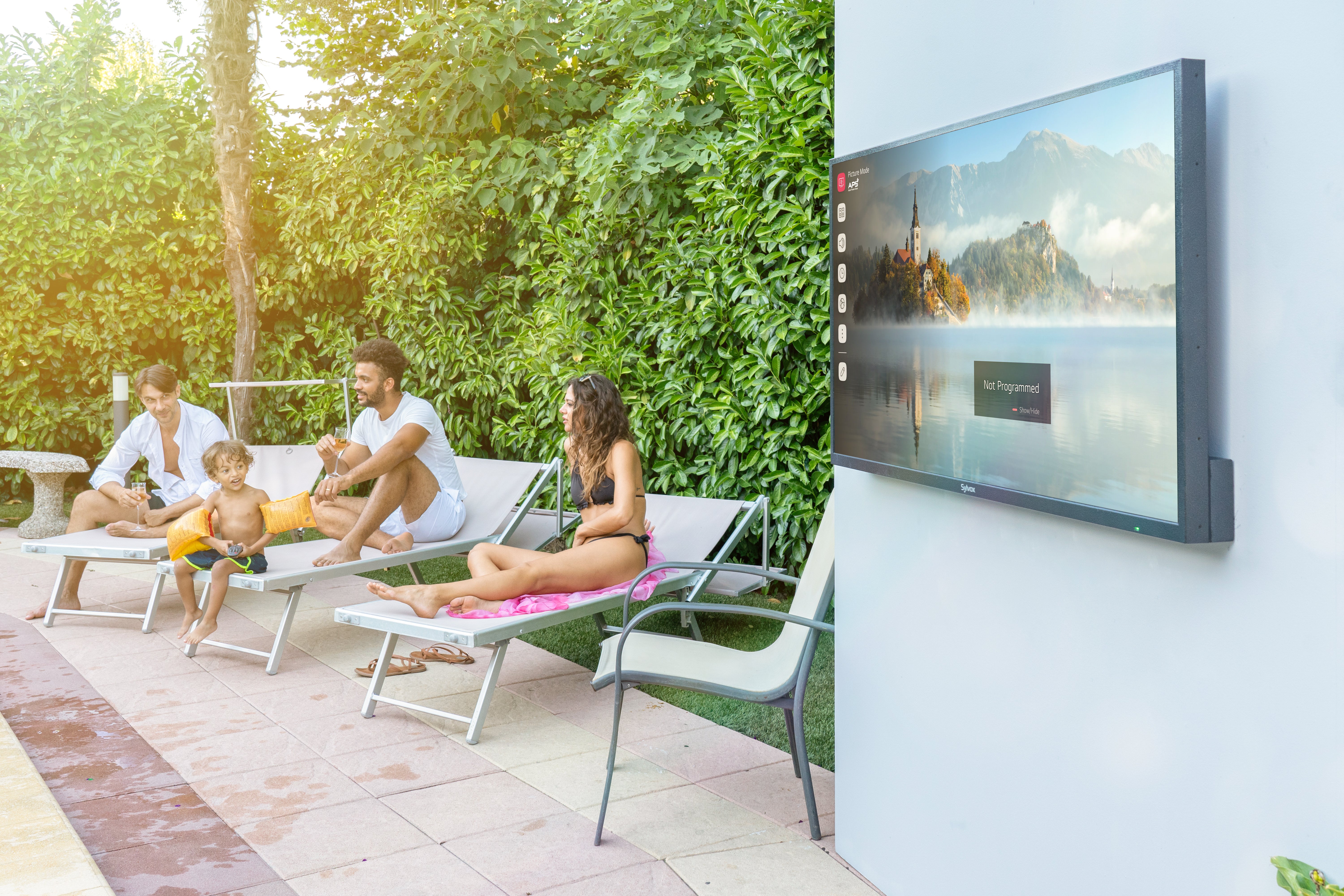
Sylvox Frameless Outdoor TV: Rugged, Stylish Entertainment for Any Outdoor Space
The Sylvox Frameless Outdoor TV stands out by blending modern, minimalist aesthetics with IP56-rated weather resistance. Critics praise its slim, bezel-free build and solid 4K performance, while users value its ability to withstand rain, dust, and extreme conditions without sacrificing picture quality. Whether you’re hosting a backyard movie night or watching the big game on your patio, the Sylvox Frameless Outdoor TV brings dependable, high-quality entertainment to the great outdoors.

Lenovo Yoga Pro 9i Aura Edition (2026): Versatile Powerhouse for Creators and Professionals
The Lenovo Yoga Pro 9i Aura Edition (2026) stands out as a true all-rounder, combining high-end hardware, a stunning 3.2K OLED display, and a sleek, modern design. With up to Intel Core Ultra 9 processors, Nvidia RTX graphics, and a six-speaker sound system, it’s built for users who demand power, flexibility, and immersive media experiences. Critics and users alike praise its vibrant visuals, responsive touchpad with stylus support, and robust build quality. Whether you’re editing, gaming, or presenting, the Yoga Pro 9i Aura Edition adapts to any workflow with ease.
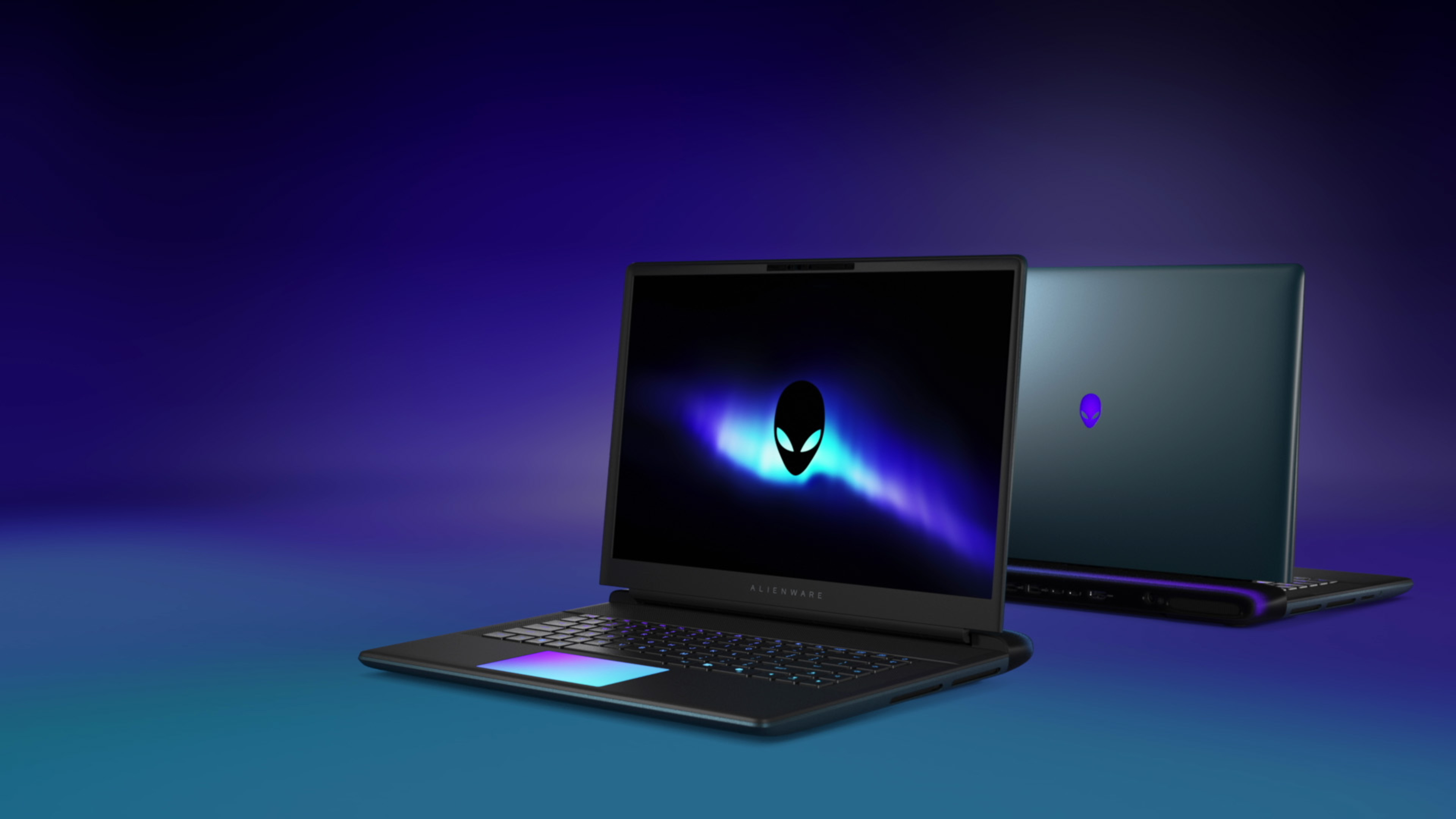
DELL Alienware 16 Area-51: OLED Brilliance and Elite Power for Serious Gamers
The DELL Alienware 16 Area-51 brings together premium materials, advanced cooling, and next-generation components to create a gaming laptop that stands out for both performance and aesthetics. With its new OLED display offering deep blacks, vibrant colours, and ultra-fast response times, this laptop is built for those who demand visual excellence and smooth gameplay. Critics and users alike praise its robust build, upgradeable hardware, and reliable performance under pressure. While it’s not the lightest or quietest laptop on the market, the Alienware 16 Area-51 is an elite choice for anyone seeking a high-end gaming or creative machine.
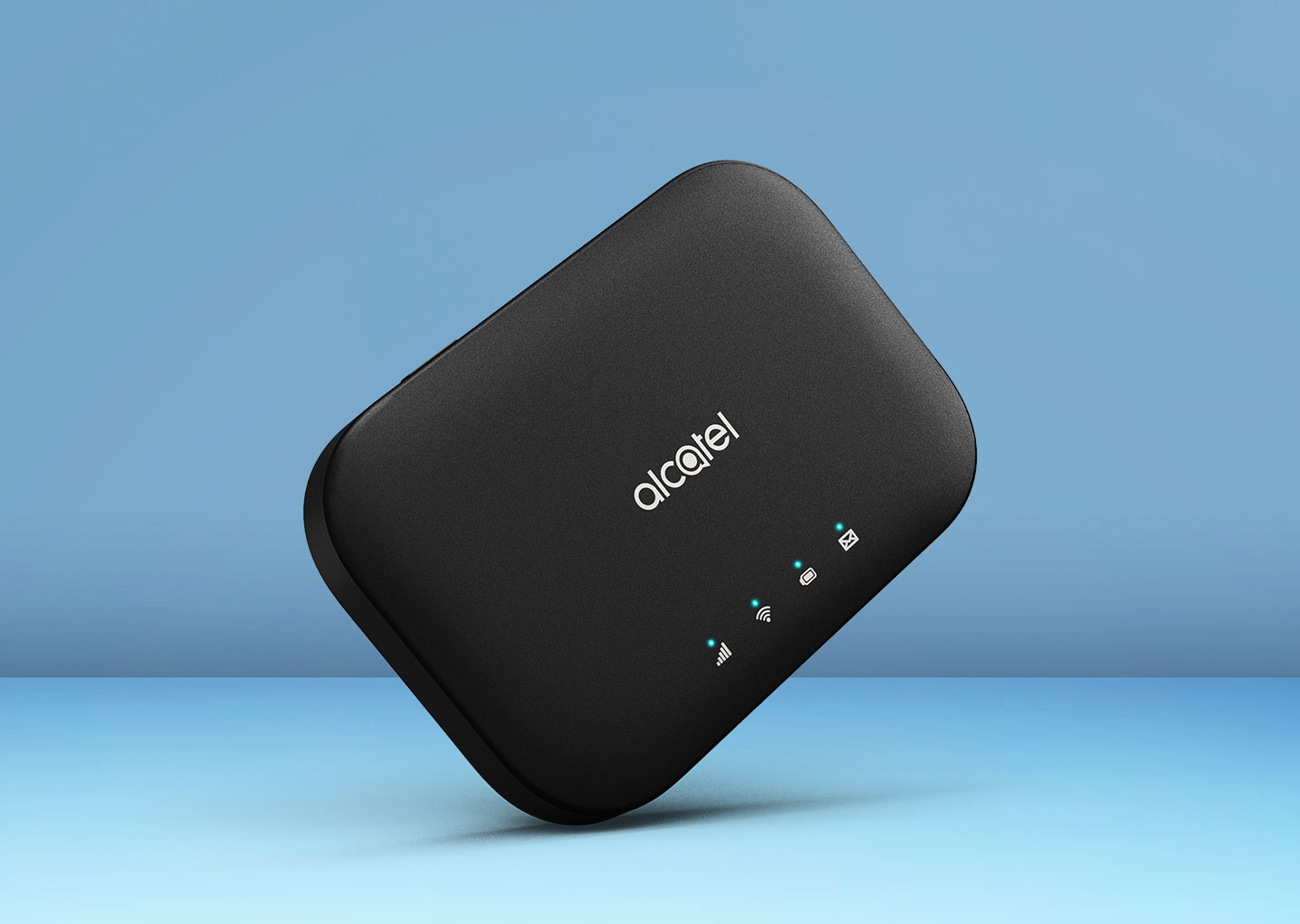
Alcatel LinkZone 4G LTE Mobile WiFi: Affordable, Portable, and Reliable Internet for Everyday Travelers
The Alcatel LinkZone 4G LTE Mobile WiFi is celebrated for its blend of affordability, portability, and ease of use. Supporting 4G LTE networks, it offers download speeds up to 150 Mbps and upload speeds up to 50 Mbps; enough for browsing, video calls, and light streaming. Its lightweight, pocket-sized design and straightforward setup make it a favorite among casual users and frequent travelers. While it lacks some advanced features and the fastest speeds, the LinkZone is a dependable and cost-effective solution for staying online wherever your journey takes you.

ASUS ROG Zephyrus G16: Portable Powerhouse for Gamers and Creators
The ASUS ROG Zephyrus G16 strikes a balance between high-end gaming performance and true portability. Equipped with the latest Intel and NVIDIA hardware, it offers smooth gameplay and rapid multitasking, all packed into a sleek, modern design. Critics and users alike praise its bright, fast display, reliable cooling, and long battery life for its class. While it lacks some of the ultra-premium features of flagship models, the G16 stands out as an accessible, versatile machine for gamers, students, and creative professionals who need a laptop that can keep up with their busy lives.
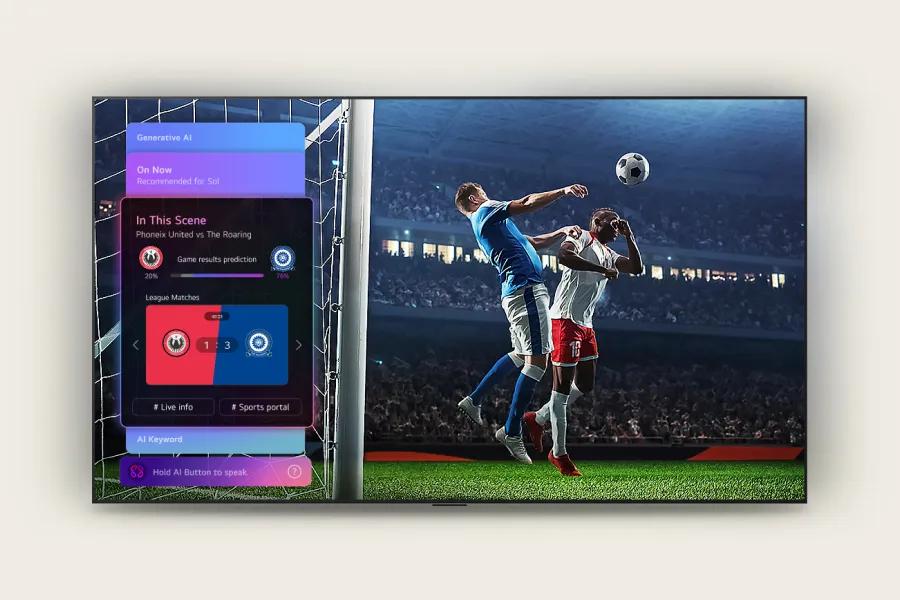
LG C6 OLED TV: Bright, Reliable, and Accessible OLED Performance for Every Home
The LG C6 OLED TV continues the brand’s legacy of delivering reliable, high-quality OLED displays, now with a significant boost in brightness for select sizes. Critics highlight its vivid colours, improved HDR, and value for the price, while everyday users appreciate its straightforward setup and consistent performance. With gaming-friendly features and a sleek design, the C6 is an excellent choice for those seeking premium OLED visuals without stepping up to flagship models.

ASUS ROG Zephyrus Duo 16: Dual-Screen Innovation Meets Elite Gaming Performance
The ASUS ROG Zephyrus Duo 16 sets itself apart with a striking dual-screen design that offers unmatched multitasking and creative flexibility. Powered by the latest NVIDIA GeForce RTX 5090 GPU and Intel’s top processors, it delivers smooth gameplay and professional-grade content creation. Critics and users are impressed by the vivid OLED displays, innovative operation modes, and robust build quality. While its weight and complexity may not suit everyone, the Zephyrus Duo 16 is a bold choice for those who want the ultimate in versatility and power from a gaming laptop.

Huawei E5783B-230 Mobile WiFi: Fast, Reliable, and Effortless Connectivity for Travelers and Remote Workers
The Huawei E5783B-230 Mobile WiFi stands out for its combination of speed, portability, and simplicity. Supporting 4G LTE Cat6, it offers download speeds up to 300 Mbps and upload speeds up to 100 Mbps, making it ideal for streaming, video calls, and remote work on the move. Its compact, lightweight design slips easily into a pocket or bag, while the intuitive setup and long battery life (up to 6 hours of active use) make it a favorite for frequent travelers and digital nomads. Though it lacks 5G and advanced management features, the E5783B-230 remains a reliable, affordable solution for hassle-free mobile internet.

Lenovo Legion Pro Rollable (2026): The Future of Gaming Laptops with Expanding Ultra-Wide Display
The Lenovo Legion Pro Rollable (2026) is not just another gaming laptop. It’s a bold leap into the future of portable displays. Featuring a flexible OLED panel that expands from a standard 16-inch to an ultra-wide 21 or even 24 inches, it offers an immersive experience for gamers, creators, and multitaskers. Critics and early adopters are wowed by the innovative engineering, seamless expansion, and visual impact. While still a concept, the Legion Pro Rollable hints at a new era of versatility and spectacle for high-end laptops. If you crave maximum screen space without sacrificing portability, this is a game-changer.

Lenovo Legion 5i Gen 10: Balanced Power and Practicality for Gamers and Creators
The Lenovo Legion 5i Gen 10 stands out for its balance of performance, build quality, and value. Featuring the latest Intel Core processors and NVIDIA GeForce RTX graphics, it handles modern games and creative workloads with ease. The laptop’s minimalistic design appeals to both gamers and professionals, while its robust cooling system ensures consistent performance. Critics and users appreciate its comfortable keyboard, upgradeable components, and strong connectivity. While it lacks some premium features and is heavier than ultraportable models, the Legion 5i Gen 10 is a smart choice for those seeking a versatile, dependable laptop for gaming, study, or work.

Dell XPS 14 (2026): Premium Portability Meets Classic Design for Modern Professionals
The Dell XPS 14 (2026) marks a triumphant return for one of Dell’s most loved laptop lines. With a renewed focus on portability, premium build quality, and user-friendly features, this model addresses past criticisms while pushing forward with the latest Intel Core Ultra processors and vibrant OLED display options. The physical function row is back, the chassis is thinner and lighter, and the battery life is impressive. Critics and users alike praise its blend of performance, comfort, and style. Whether you’re a professional on the move or a student seeking a reliable all-rounder, the XPS 14 (2026) is a compelling choice.
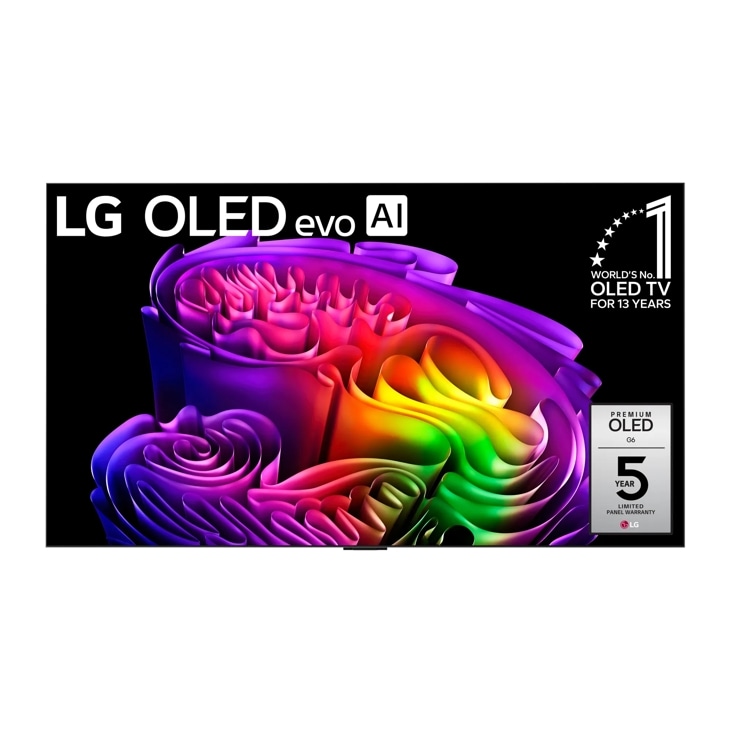
LG G6 OLED TV: Brilliant Brightness and Refined Performance for Modern Living
The LG G6 OLED TV stands out with its ultra-bright panel, advanced anti-glare technology, and elegant, wall-hugging form. Critics consistently praise the G6 for its leap in brightness over previous models and its ability to maintain stunning colour accuracy in any lighting. Everyday users love the TV’s easy integration into modern spaces and its reliable performance for movies, gaming, and daily entertainment. If you want a TV that excels in both style and substance, the G6 is a top contender.
Asus ExpertBook Ultra (2026): Lightweight Powerhouse for Business on the Move
The Asus ExpertBook Ultra (2026) is a standout in the business laptop space, combining an incredibly slim and light chassis with robust performance and impressive battery life. Built for professionals and frequent travellers, it weighs less than most tablets yet packs a punch with Intel’s latest Core Ultra processors, a vivid OLED display, and advanced thermal management. Both critics and everyday users praise its effortless portability, excellent keyboard, and strong security features. If you need a laptop that can keep up with a demanding, mobile lifestyle, the ExpertBook Ultra is a top choice.
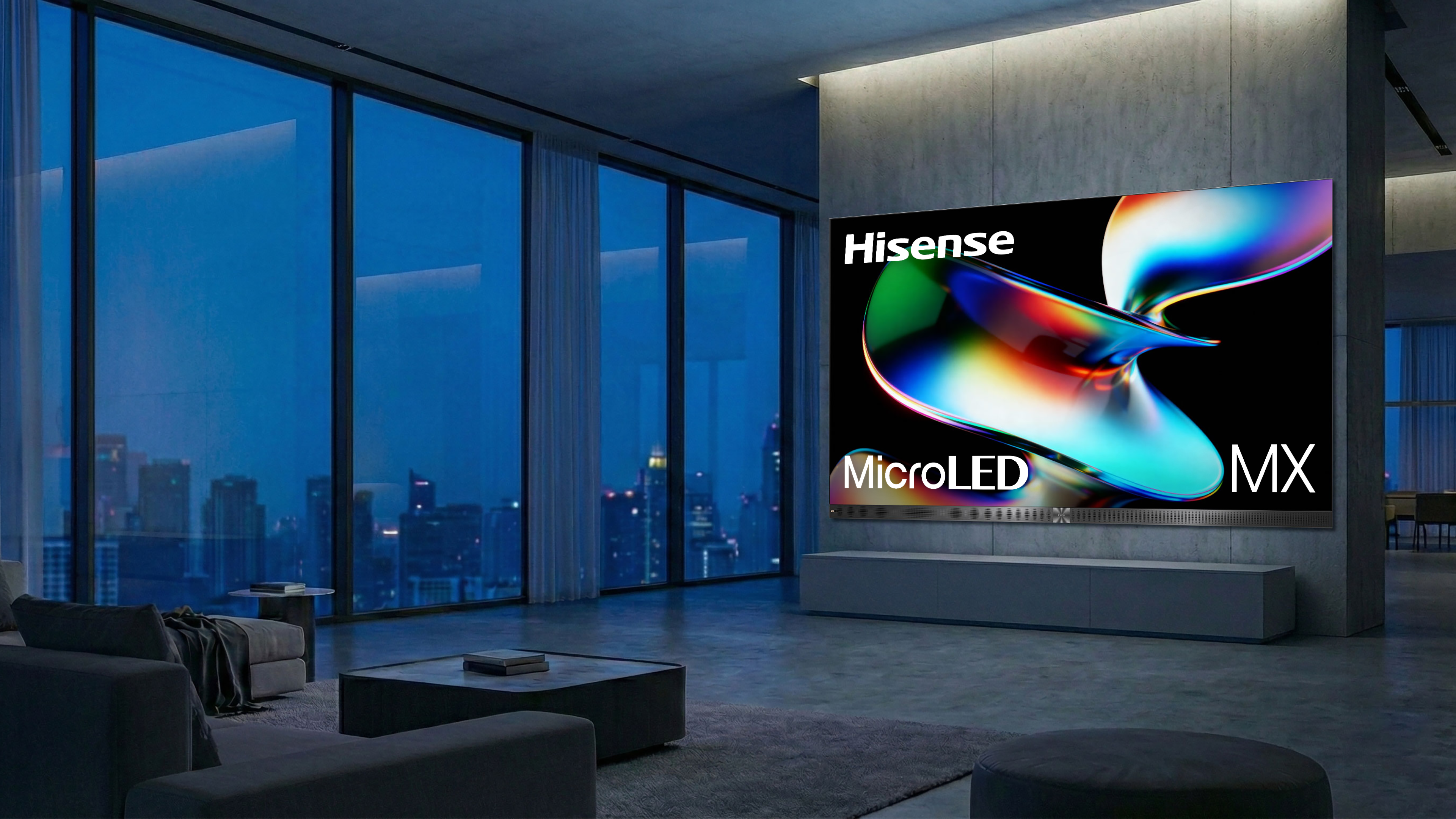
Hisense 163MX Micro-LED TV: Expansive Micro-LED Power for the Ultimate Home Theatre
The Hisense 163MX Micro-LED TV is a technological marvel, boasting a massive 163-inch screen and a unique RGBY (red, green, blue, yellow) pixel structure for expanded colour reproduction. Critics are wowed by its size, clarity, and wall-to-wall immersion, while users love the detail and vibrancy it brings to movies, sports, and events. With micro-LED technology, this TV offers deep blacks, high brightness, and a slim profile for zero-gap wall mounting. If you want a statement piece that delivers an unmatched viewing experience, the 163MX is the new gold standard.
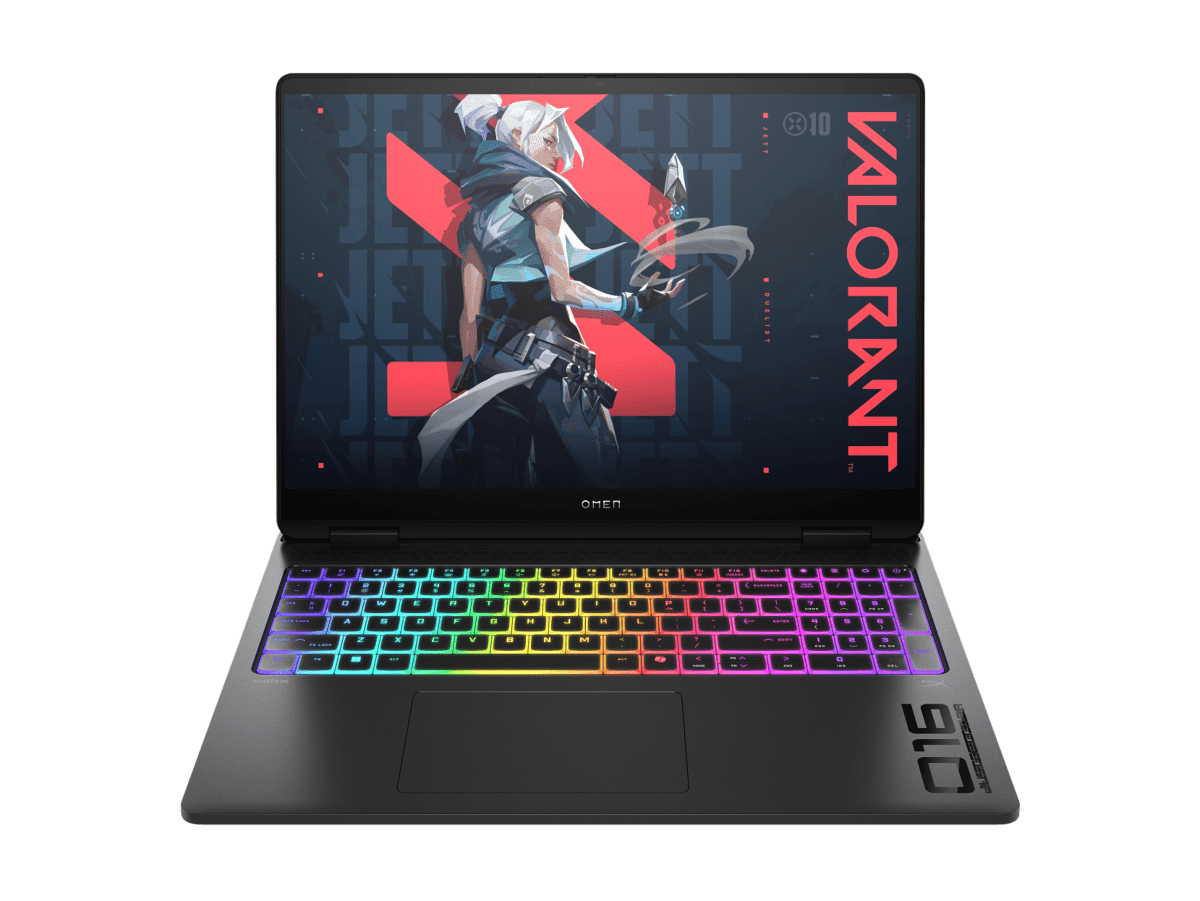
HP HyperX Omen Max 16 (2026): Gaming Powerhouse with Premium Performance and Style
The HP HyperX Omen Max 16 (2026) is a top-tier gaming laptop that combines serious performance with a refined, minimalist design. With up to Nvidia RTX 5090 graphics, Intel Core Ultra processors, and a high-refresh OLED display, it is built for demanding games and creative workloads alike. Critics and users praise its power, display quality, and thoughtful port selection. The new HyperX branding brings a fresh identity, while the robust cooling system ensures stable performance under pressure. If you want a laptop that can handle the latest games and heavy multitasking without compromise, the Omen Max 16 is a standout choice.

Samsung R95H MicroRGB TV: Giant-Screen Innovation for the Ultimate Viewing Experience
The Samsung R95H MicroRGB TV is a statement piece in every sense. With its enormous 130-inch screen and advanced MicroRGB technology, it delivers breathtaking brightness, colour saturation, and clarity. Critics highlight its show-stopping size and vibrant visuals, while everyday users are awed by its immersive viewing and modern design. If you are searching for a home cinema experience that rivals commercial theatres, the R95H stands at the top of the field.
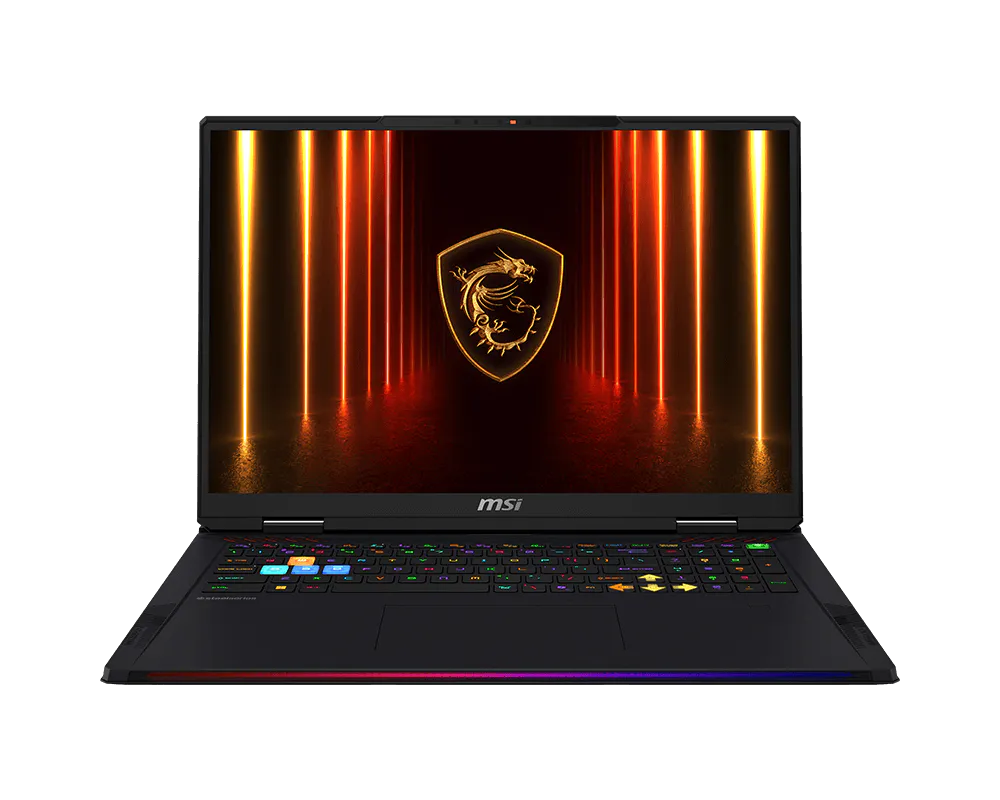
MSI Raider 16 Max HX: Unleashing Desktop-Class Gaming Power in a Portable Package
The MSI Raider 16 Max HX is a powerhouse built for those who refuse to compromise on gaming performance or creative productivity. With the latest Intel Core Ultra processors, NVIDIA GeForce RTX 5090 graphics, and an advanced cooling system, it offers a desktop-class experience in a portable form. Critics and users alike praise its blistering speed, high refresh OLED display, and robust build. While it is heavy and battery life is limited, the Raider 16 Max HX delivers where it matters most: raw power, smooth gameplay, and future-proof specs. If you want a laptop that can handle anything you throw at it, this is the one to beat.

TP-Link Dual-Band Wi-Fi Travel Router: Compact, Flexible, and Reliable Connectivity for Life on the Move
The TP-Link Dual-Band Wi-Fi Travel Router (TL-WR902AC) is a favorite among travelers and remote workers for its blend of portability, versatility, and ease of use. Despite its tiny footprint, it offers dual-band Wi-Fi (2.4GHz and 5GHz), multiple operating modes (router, hotspot, repeater, client, and access point), and surprisingly robust performance. The device excels at turning hotel Ethernet or public Wi-Fi into a secure, private network for all your devices. While it lacks Wi-Fi 6 and a built-in battery, its reliability, flexibility, and value make it a go-to solution for those who need consistent connectivity on the road.