
Reviews
In-depth, scored reviews to help you pick the right product.

Lenovo Yoga 9i 14 Gen 9
The Lenovo Yoga 9i 14 Gen 9 represents a refined evolution of the premium 2-in-1 category, combining Intel Core Ultra 7 155H processing power with a breathtaking OLED display and Bowers \& Wilkins quad speaker system. Weighing just 2.9 pounds with a slim aluminum chassis, this convertible targets professionals seeking portable productivity without sacrificing audiovisual quality. The 14-inch OLED touchscreen delivers 136 percent DCI-P3 coverage and 120Hz refresh capability, while the four speaker array creates cinema-quality sound rarely found in ultraportables. However, the Gen 9 model retreats from its predecessor's battery performance, managing only 7.4 hours in standardized testing compared to the Gen 8's 10-hour endurance. This backward step in battery life creates tension between the laptop's exceptional build quality and real-world usability for extended mobile work sessions.[^1][^2][^3]
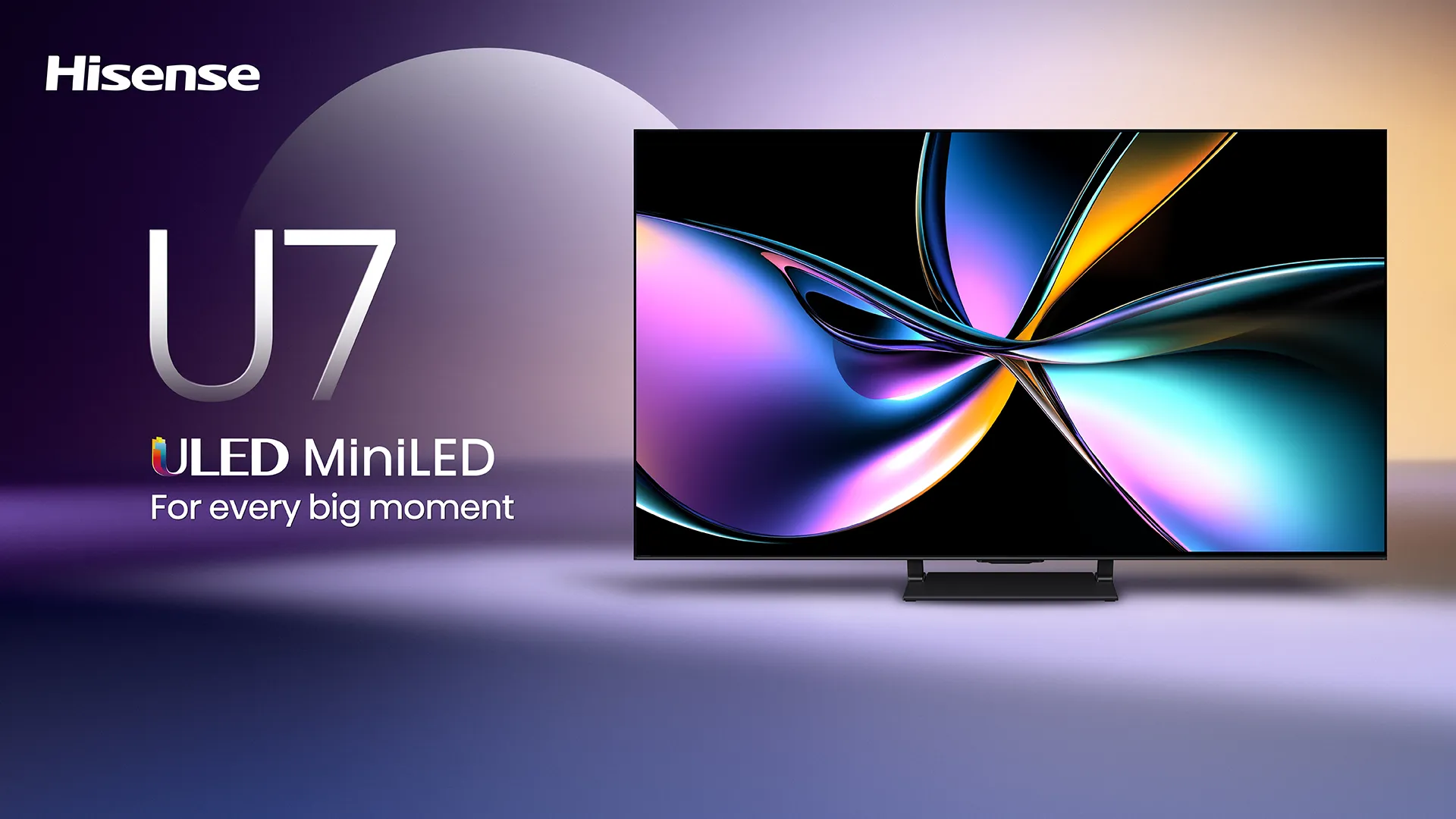
Hisense U7QAU: The Mini-LED Powerhouse Redefining Mid-Range Performance
The Hisense U7QAU stands as a formidable contender in the Australian television market, bridging the gap between budget screens and enthusiast-grade displays. Featuring Mini-LED technology and a 144Hz native refresh rate, it caters heavily to gamers and sports fans.

Redragon M602 Griffin: The Enduring Legacy of the Budget Gaming King
The Redragon M602, colloquially known as the "Griffin," is a high-performance gaming mouse designed for users seeking ergonomic comfort without a premium price tag. Featuring a 7200 DPI sensor, programmable buttons, and vibrant RGB lighting, it bridges the gap between basic peripherals and enthusiast-grade hardware. While it lacks the ultra-lightweight build of modern competitive mice, its durability and hand-filling shape have maintained its status as a top-selling peripheral for over half a decade.

The Desktop Anchor: Why the Logitech Ergo M575 Remains the Gold Standard for Trackball Newcomers
An in-depth exploration of the Logitech Ergo M575, highlighting its ergonomic thumb-control design, exceptional 24-month battery life, and its status as the premier entry point for users looking to alleviate Repetitive Strain Injury (RSI).
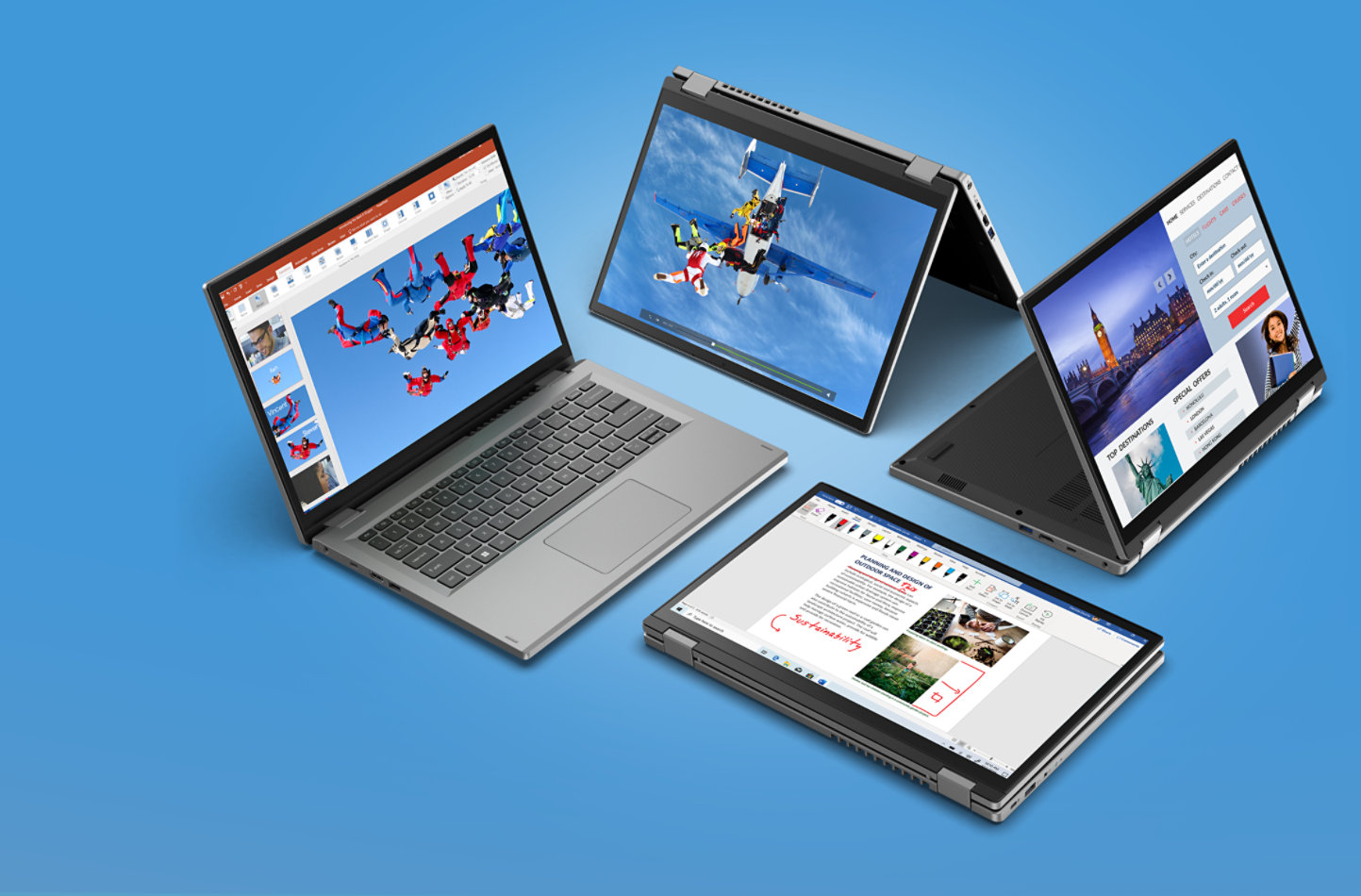
Acer Aspire 3 Spin 14
The Acer Aspire 3 Spin 14 positions itself as an entry-level 2-in-1 convertible laptop targeting students and casual users seeking versatility without breaking the budget. Powered by Intel's low-power Alder Lake N-series processors - including the N100, N200, or Core i3-N305 - this 14-inch touchscreen laptop transforms between laptop, tent, and tablet modes. The device features a WUXGA (1920x1200) IPS touchscreen display with a productivity-friendly 16:10 aspect ratio, 8GB LPDDR5 RAM, and up to 512GB PCIe NVMe SSD storage. While its compact 1.54kg design enhances portability and the wide port selection adds practical connectivity, the laptop struggles with a dim, washed-out display that covers only 45% NTSC color gamut, and battery life that falls short of advertised claims. The Aspire 3 Spin 14 handles basic productivity tasks like web browsing, document editing, and video streaming adequately, but its efficiency-core-only CPU architecture and integrated UHD Graphics make it unsuitable for demanding applications, content creation, or gaming.[^1][^2][^3]
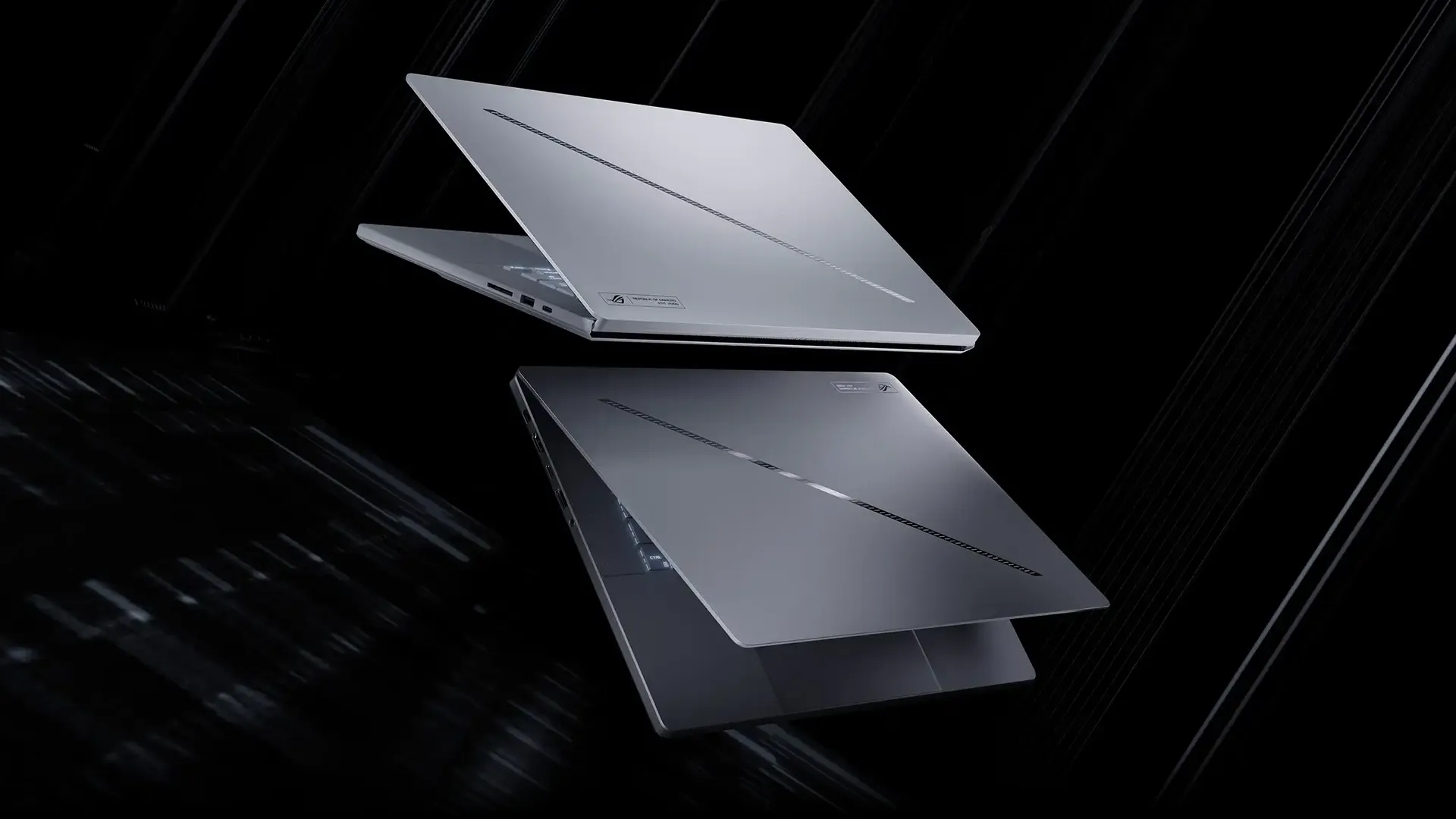
ASUS ROG Zephyrus G16
The ASUS ROG Zephyrus G16 represents a compelling compromise for gamers who value portability alongside performance. This ultra-slim 16-inch gaming laptop combines premium aluminum construction with high-end components including Intel Core Ultra 9 or AMD Ryzen AI 9 processors and NVIDIA RTX 40-series GPUs, all housed in a chassis measuring just 1.49 cm thick. The standout 2.5K OLED display with 240Hz refresh rate and Dolby Vision HDR delivers stunning visuals that rival premium ultrabooks. However, the pursuit of slimness comes with trade-offs: the laptop's 115W TDP limitation means it cannot sustain the same performance levels as thicker gaming laptops with higher power budgets. The exceptional six-speaker audio system and lightweight design make it ideal for professionals and students who need gaming capability without sacrificing portability.[^1][^2][^3][^4][^5][^6]
HP OmniBook X Flip 16
The HP OmniBook X Flip 16 presents a compelling case for large-screen convertibles with its stunning 3K OLED touchscreen, refined minimalist design, and solid build quality. However, the Intel Lunar Lake-powered variant suffers from inconsistent performance that ranges from smooth productivity to frustrating slowdowns, particularly on battery power. The device excels as a stationary workstation where its gorgeous 16-inch display shines, but falls short of expectations for mobile professionals who need reliable performance away from power outlets. At approximately 4.15 pounds with a 360-degree hinge, it offers versatility for various usage modes including tablet and tent configurations, though its size and weight make extended handheld use impractical. The laptop targets consumers and business users seeking an affordable entry into premium convertibles, but curious design choices like single-sided USB-C placement and decorative speaker grilles undermine its otherwise solid execution.[^1][^2][^3][^4]

Lenovo Flex 5i Chromebook Plus
The Lenovo Flex 5i Chromebook Plus represents a compelling entry in Google's Chromebook Plus tier, delivering hardware specifications that exceed baseline Chromebook standards while maintaining affordability. This 2-in-1 convertible features a 14-inch touchscreen with a productivity-friendly 16:10 aspect ratio, Intel Core i3-1315U processor, 8GB of RAM, and 128GB of storage, qualifying it for Google's enhanced AI features. The device balances performance, versatility, and build quality, earning recognition from multiple reviewers as an ideal choice for students, remote workers, and budget-conscious consumers seeking a flexible computing platform. While the Flex 5i excels in everyday productivity tasks and offers a comfortable typing experience, it makes deliberate compromises in areas such as battery longevity, material construction, and accessory inclusion to achieve its competitive positioning.[^1][^2][^3][^4][^5]

Gigabyte Aorus Master 16
The Gigabyte Aorus Master 16 represents Gigabyte's push into the premium gaming laptop segment with Nvidia's latest RTX 50-series graphics and Intel's Core Ultra 9 275HX processor. This 16-inch gaming machine delivers impressive gaming performance with high frame rates across demanding titles, supported by a fast 240Hz OLED display that produces deep blacks and vibrant colors. The laptop features comprehensive connectivity including Thunderbolt 5, Wi-Fi 7, and user-upgradeable RAM and storage. However, reviewers consistently note that despite its premium positioning and high price point, the laptop's predominantly plastic construction feels less refined than competitors, and its cooling system generates extremely loud fan noise under heavy gaming loads. The Master 16 excels in raw performance metrics but falls short in premium build quality and thermal acoustics that buyers might expect at this price tier.[^1][^2]

Samsung Galaxy A16 5G
The Samsung Galaxy A16 5G represents a pivotal shift in the entry-level smartphone market. By extending its flagship-grade software support—six years of OS and security updates—to a sub-series device, Samsung is challenging the industry standard of planned obsolescence. The device features a refined, slimmer "Key Island" design, a vibrant 6.7-inch Super AMOLED display, and an upgraded IP54 rating for dust and splash resistance. While it retains some legacy budget compromises like the "Infinity-U" waterdrop notch and a mono speaker, its focus on longevity makes it a unique proposition for value-conscious consumers.

The Ultimate Productivity Workhorse: Logitech M720 Triathlon Long-Term Review
The Logitech M720 Triathlon is a multi-device wireless mouse designed for high-endurance productivity. It bridges the gap between basic office mice and the premium MX Master series, offering a sculpted right-handed design, hyper-fast scrolling, and the ability to pair with three devices simultaneously.

Samsung Galaxy Z Fold 6
The Samsung Galaxy Z Fold 6 represents a significant design pivot, moving toward a more industrial, squared-off aesthetic that mimics the S24 Ultra. While the internal hardware remains largely unchanged, the software experience is overhauled with Galaxy AI and seven years of support.
Pro-Level Precision: Why the Logitech G Pro X Superlight Remains the Gold Standard
The Logitech G Pro X Superlight remains a benchmark in the competitive gaming industry. By shedding every unnecessary gram while retaining the iconic "GPW" shape, Logitech created a tool that professional athletes and casual grinders alike swear by. Despite the emergence of newer sensors and higher polling rates, its combination of reliability, battery life, and safe ergonomics keeps it at the top of the charts.
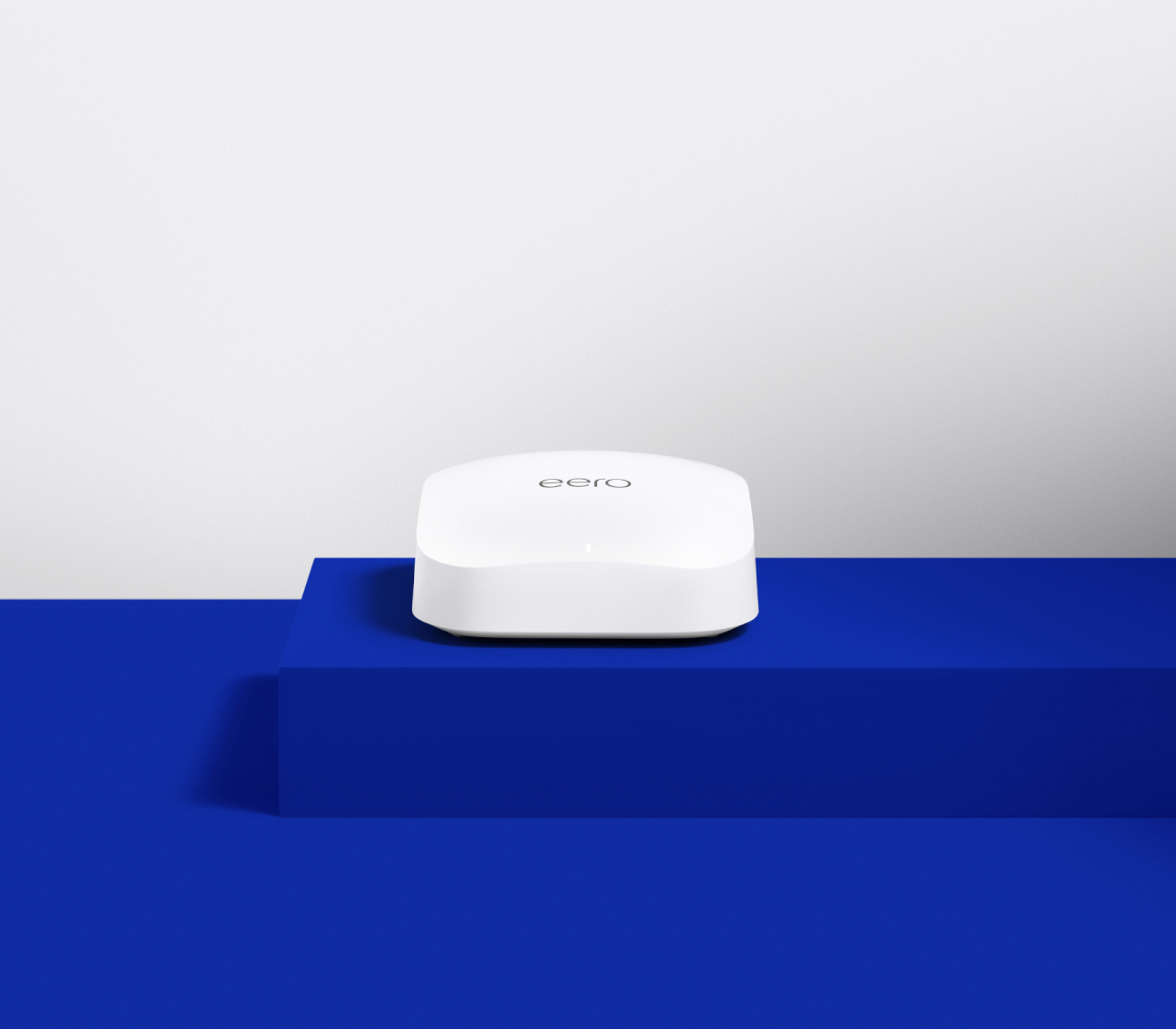
eero Pro 6E Review: The "Set-and-Forget" King Enters the 6GHz Era
The eero Pro 6E represents Amazon’s most capable mesh system to date, introducing the 6GHz band to a lineup famous for its user-friendly approach. While it offers a significant speed boost for compatible devices and a dedicated backhaul for node communication, it remains constrained by a lack of advanced software controls and a sparse port selection.
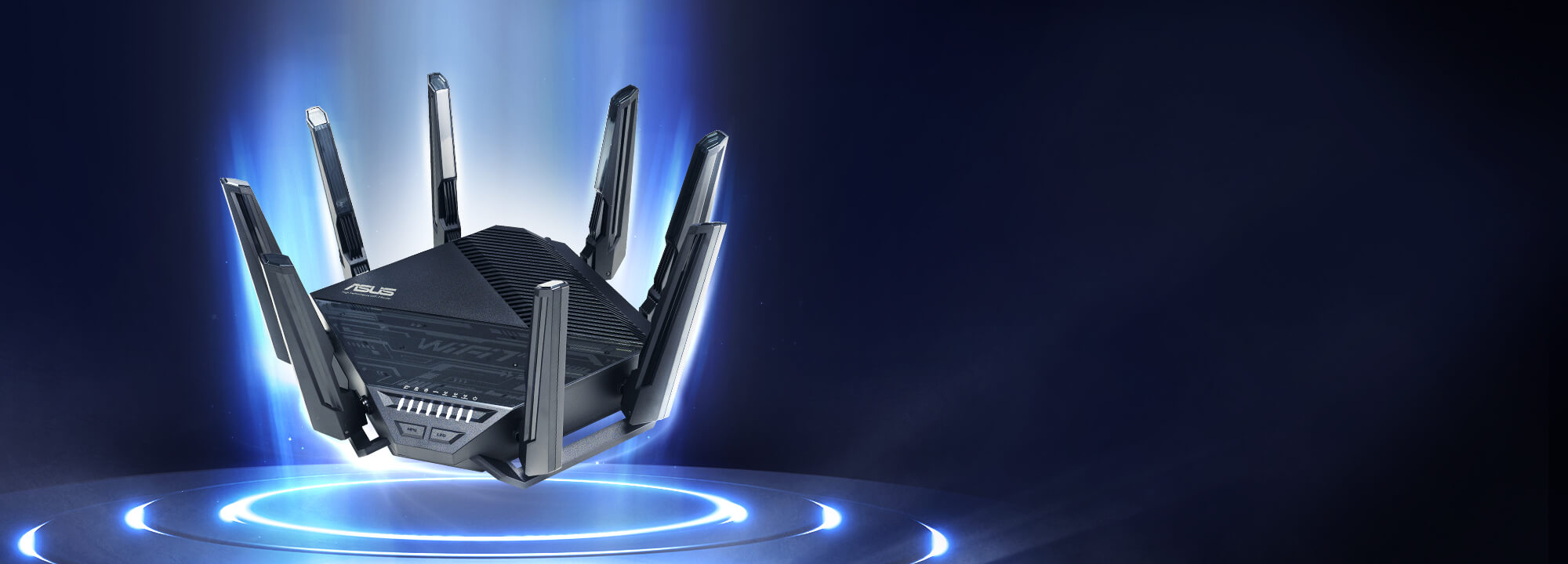
ASUS RT-BE96U: The Wi-Fi 7 Powerhouse for the Next Era of Connectivity
The ASUS RT-BE96U stands as a premier entry into the Wi-Fi 7 market, offering tri-band connectivity with massive throughput. It bridges the gap between prosumer needs and mainstream usability, featuring dual 10Gbps ports and advanced ASUSWRT management.
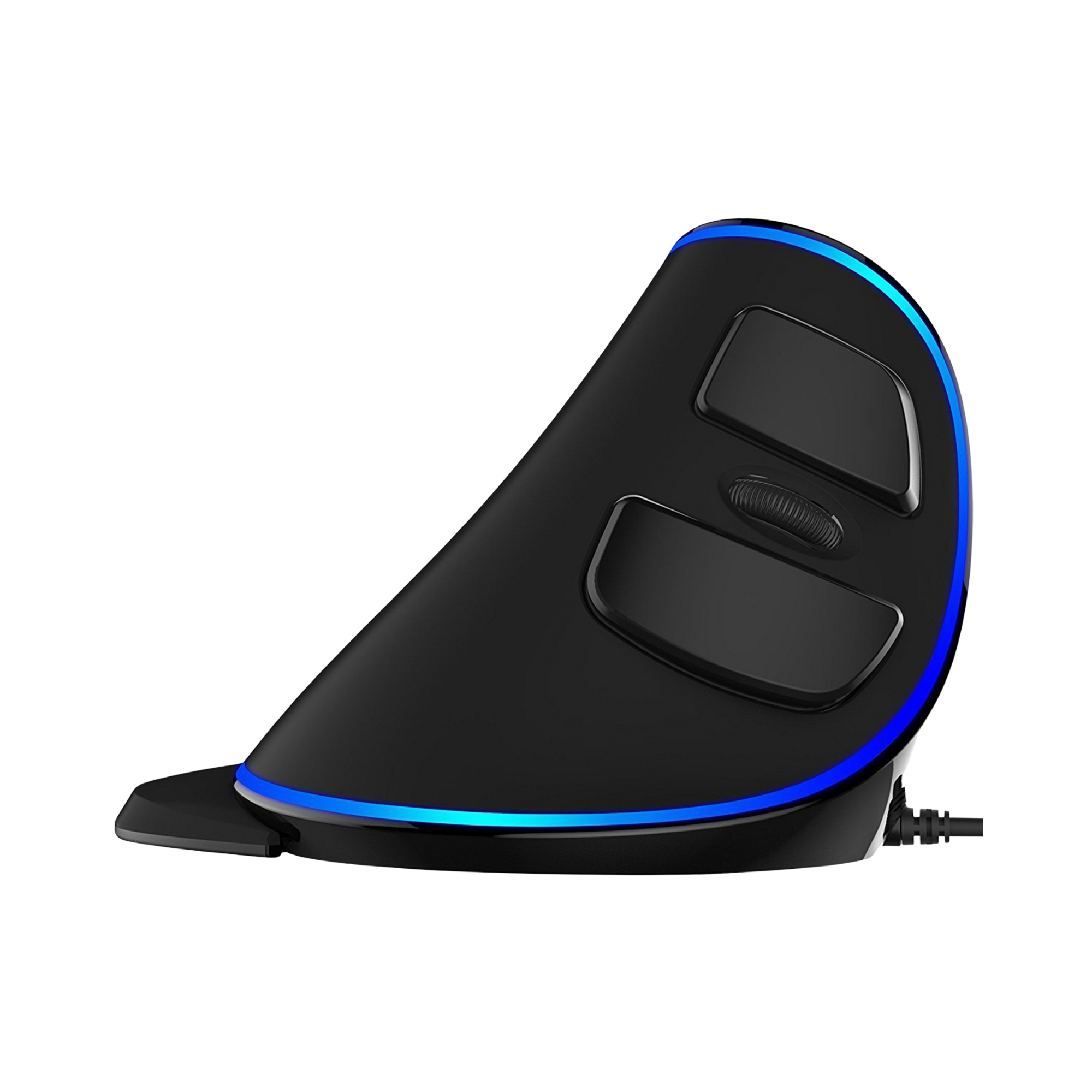
The Handshake Solution: Why the J-Tech Digital V628 Remains a Budget Ergonomic Champion
The J-Tech Digital V628 is a pioneering vertical mouse designed to combat repetitive strain injuries (RSI) and carpal tunnel syndrome. By shifting the hand into a 57-degree "handshake" position, it reduces forearm twisting. While it lacks the high-end sensors of gaming mice, its utility for office professionals and heavy computer users remains unparalleled in the budget category.

MSI Creator Z16
The MSI Creator Z16 positions itself as a hybrid laptop that bridges creative workstation and gaming needs, featuring an Intel 11th Gen Core i9 processor, NVIDIA GeForce RTX 3060 GPU, and a 16-inch QHD+ (2560 x 1600) touchscreen with 100% DCI-P3 color coverage. The laptop excels in rendering, editing, and design applications while maintaining a slim aluminum chassis. However, the device struggles with thermal management, produces significant fan noise under load, and offers disappointing battery life. Professional reviewers praise its screen quality and creative performance, while consumer reports raise concerns about long-term reliability, particularly keyboard failures and overheating. The lack of HDMI and DisplayPort connections limits external display options, forcing users to rely exclusively on Thunderbolt 4 ports.[^1][^2][^3][^4][^5][^6][^7][^8]
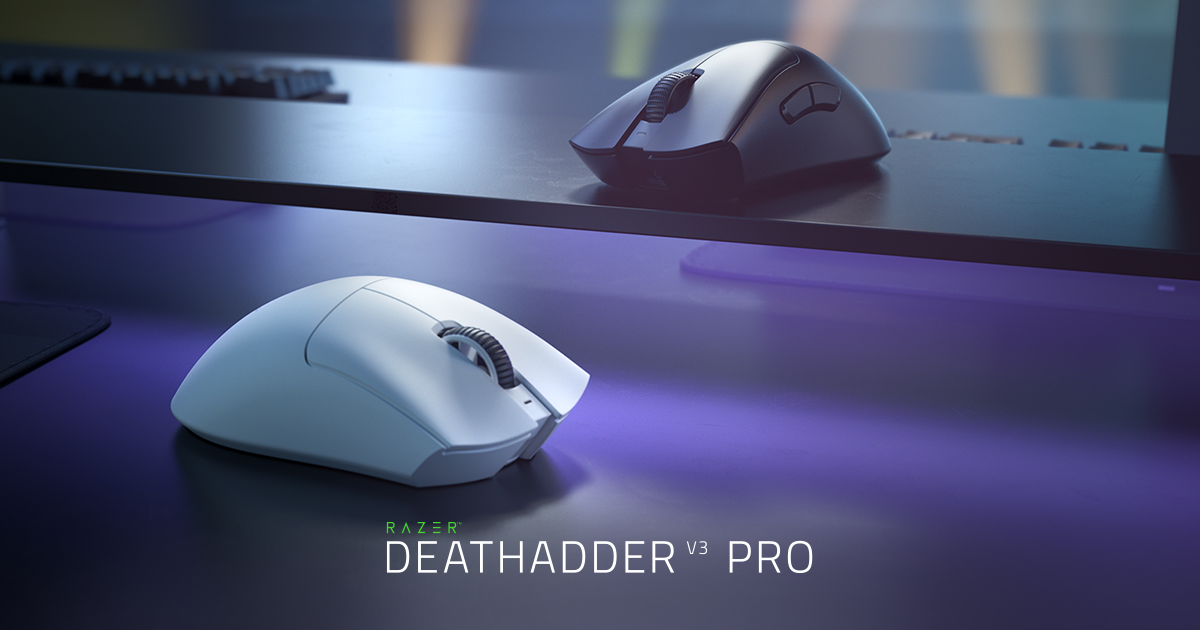
The Razer DeathAdder V3 Pro: A New Standard for Professional Ergonomic Gaming
The Razer DeathAdder V3 Pro marks a radical departure from its predecessors, shedding nearly 25% of its weight while refining its iconic ergonomic shape. Equipped with the Focus Pro 30K Optical Sensor and Gen-3 Optical Switches, it targets the hardcore esports demographic who value performance and precision over aesthetic flair. It is a no-nonsense tool built for speed and reliability.