
Reviews
In-depth, scored reviews to help you pick the right product.

Samsung S95F OLED
The Samsung S95F represents the pinnacle of the brand's OLED evolution, featuring a fourth-generation QD-OLED panel that pushes brightness boundaries while eliminating reflections through an improved matte coating. This 2025 flagship achieves what seemed impossible: an OLED that excels in sunlit rooms without sacrificing the deep contrast and vibrant colors that define premium display technology. Powered by Samsung's NQ4 AI Gen3 processor and supporting up to 165Hz refresh rates, the S95F targets discerning viewers who refuse to compromise between daytime usability and cinematic picture quality. While the absence of Dolby Vision and minor shadow detail limitations prevent perfection, this television delivers a viewing experience that competes with any display on the market.[^1][^2][^3][^4]
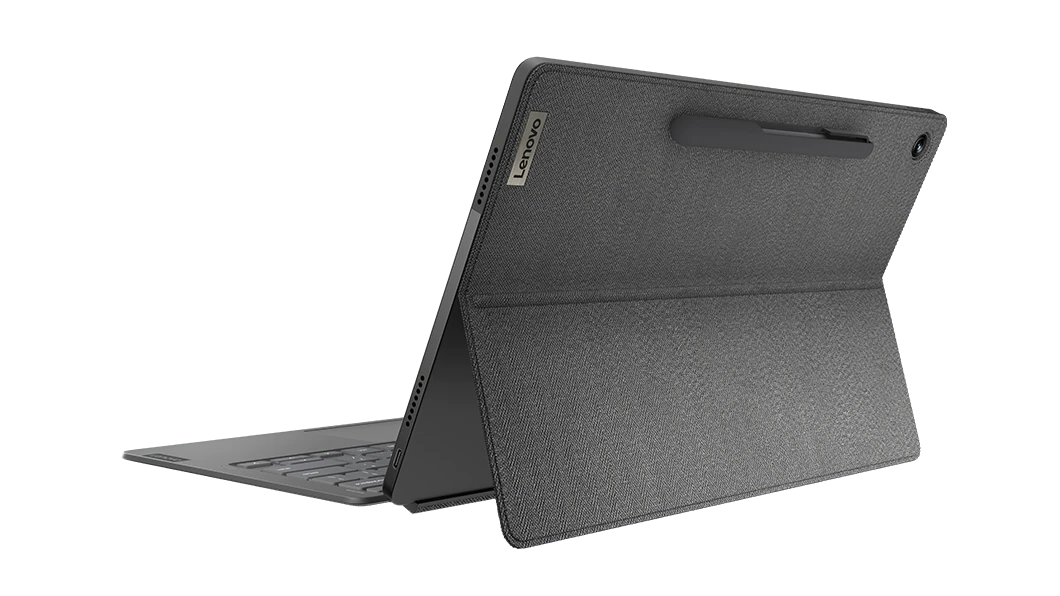
Lenovo Chromebook Duet 5
The Lenovo Chromebook Duet 5 represents a thoughtful evolution in detachable Chrome OS devices, pairing premium build quality with a standout 13.3-inch OLED display that punches well above its weight class. The device ships with a magnetic keyboard and kickstand cover included, transforming from tablet to laptop mode seamlessly. At its core sits a Qualcomm Snapdragon 7c Gen 2 processor paired with 8GB of RAM, delivering adequate performance for web browsing, document editing, and media streaming while maintaining battery life that routinely exceeds 10 hours of continuous use. The full HD OLED panel supports 100% DCI-P3 color coverage and reaches 400 nits brightness, flanked by quad speakers that enhance the media consumption experience. This convertible Chromebook serves mainstream users well, particularly those prioritizing portability and screen quality over raw computing power, though its ARM-based architecture and occasional input responsiveness issues reveal limitations that power users should carefully consider.[^1][^2][^3][^4][^5][^6]

Redragon M908 Impact MMO Mouse: The Tactical Command Center for Your Desktop
The Redragon M908 Impact is a specialized MMO gaming mouse designed for players who demand an extensive array of shortcuts. Featuring a 12-button side grid, adjustable weights, and deep software customization, it bridges the gap between budget peripherals and professional-grade hardware, making it a staple for World of Warcraft and Final Fantasy XIV players globally.

The Ambidextrous Legend: Why the Logitech G Pro Wireless Still Dominates the Desktop
The Logitech G Pro Wireless remains a cornerstone of the competitive gaming world. Despite the rise of ultra-lightweight successors, its balance of a perfect ambidextrous shape, modular side buttons, and the flawless HERO 25K sensor ensures it remains a preferred tool for professionals and enthusiasts alike. This report explores its design, long-term durability, and its standing in the current market.
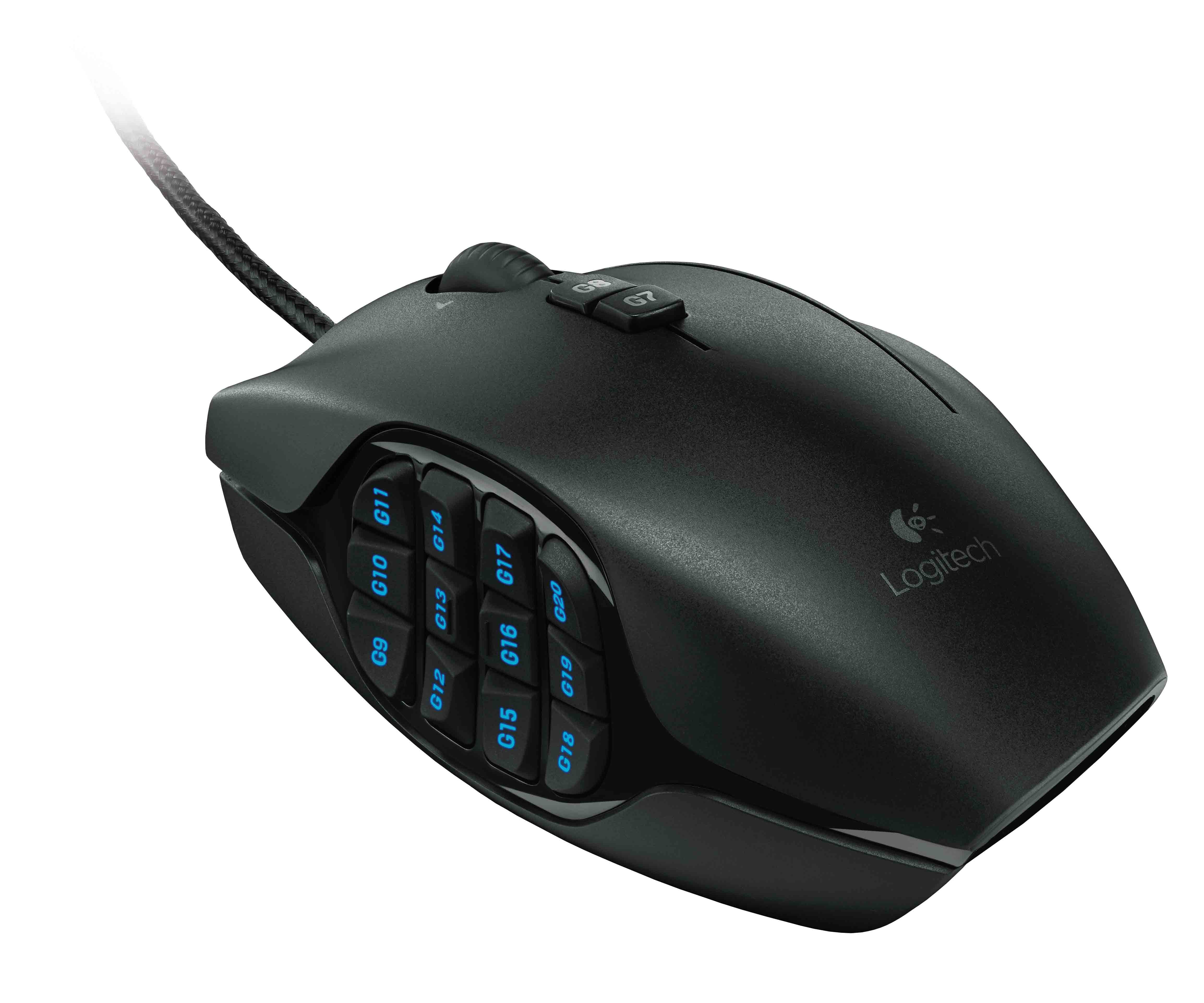
The Undying Legend: Why the Logitech G600 Still Dominates the MMO Arena
The Logitech G600 MMO Gaming Mouse is a specialized tool designed for high-intensity gaming that requires dozens of keybindings. Despite the industry moving toward ultra-lightweight designs, the G600 maintains a cult following due to its 20-button layout, its dedicated ring-finger "G-Shift" click, and a robust build that serves both gamers and power users in productivity suites.

Acer Chromebook Plus 514
The Acer Chromebook Plus 514 emerges as a compelling budget Chromebook that delivers meaningful value through thoughtful component selection rather than flashy features. With configurations offering either Intel Core i3-N305 or AMD Ryzen processors, 8GB of RAM, and storage options ranging from 128GB to an impressive 512GB SSD, this device addresses the common shortcomings that plague many budget Chromebooks. The 14-inch WUXGA display delivers sharp visuals, and the comprehensive port selection including dual USB-C and dual USB-A connections provides flexibility rarely seen at this tier. While compromises exist in display brightness, speaker quality, and keyboard refinement, the Chromebook Plus 514 demonstrates that budget devices can prioritize the fundamentals that matter most for productivity and daily use.[^2][^3][^4][^5][^1]

Acer Predator Triton 14 AI
The Acer Predator Triton 14 AI represents a successful attempt to deliver serious gaming performance in an ultraportable package that doesn't compromise on build quality or features. At 0.71 inches thick and 3.5 pounds, this 14.5-inch gaming laptop rivals ultrabooks in portability while housing an NVIDIA GeForce RTX 5070 GPU capable of handling modern AAA titles. The laptop distinguishes itself with a stunning 2880 x 1800 OLED touchscreen, premium aluminum and glass construction, and thoughtful extras including an active stylus and haptic touchpad. Powered by Intel's Core Ultra 9 288V processor, the system prioritizes efficiency and AI capabilities over raw CPU power, making it ideal for users who value mobility and balanced performance rather than maximum desktop-replacement specifications. The inclusion of graphene thermal interface material represents an industry first, contributing to quiet operation and effective cooling in demanding scenarios.[^1][^2][^3]

Lenovo IdeaPad Slim 5
The Lenovo IdeaPad Slim 5 positions itself as a capable mid-range productivity laptop that prioritizes practicality over premium features. Available in multiple configurations with Intel and AMD processors, the series delivers consistent performance for everyday computing tasks while maintaining a professional aesthetic. The laptop stands out for its surprisingly high-quality keyboard and comfortable typing experience, often rivaling more expensive alternatives. However, cost-cutting measures appear in display brightness, connectivity options, and the decision to solder RAM, limiting upgradeability. For users seeking a reliable workhorse for office productivity, multitasking, and light creative work at a competitive price point, the IdeaPad Slim 5 represents solid value, though it won't satisfy those demanding premium build quality or extensive expansion capabilities.[^1][^2][^3][^4][^5]
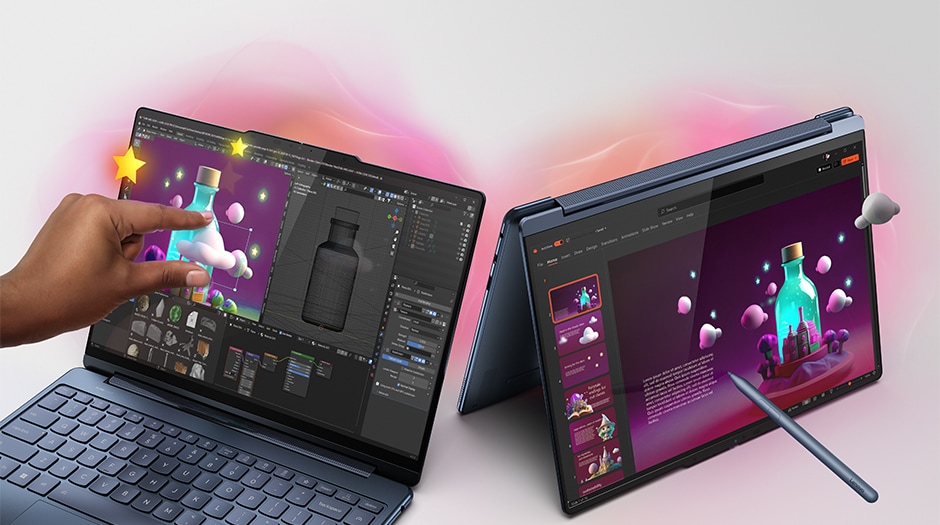
Lenovo Yoga 9 14 2-in-1 G10
The Lenovo Yoga 9 14 2in1 G10 represents the latest evolution of Lenovo's premium convertible lineup, built around Intel's efficient Lunar Lake Core Ultra 7 258V processor. This 14-inch 2-in-1 combines a sturdy aluminum chassis with improved battery efficiency and quieter operation compared to its predecessor. The laptop features a 4K OLED touchscreen, 32GB of LPDDR5x-8533 RAM, Wi-Fi 7 connectivity, and an included Lenovo Slim Pen for stylus input. While the convertible excels in build quality and everyday performance, professional reviewers note that its 60Hz 4K display lacks the color accuracy and refresh rate expected at this tier. The device positions itself as a versatile productivity tool with solid battery life, weighing just 1.32kg, making it one of the lightest premium convertibles available.[^1][^2][^3]
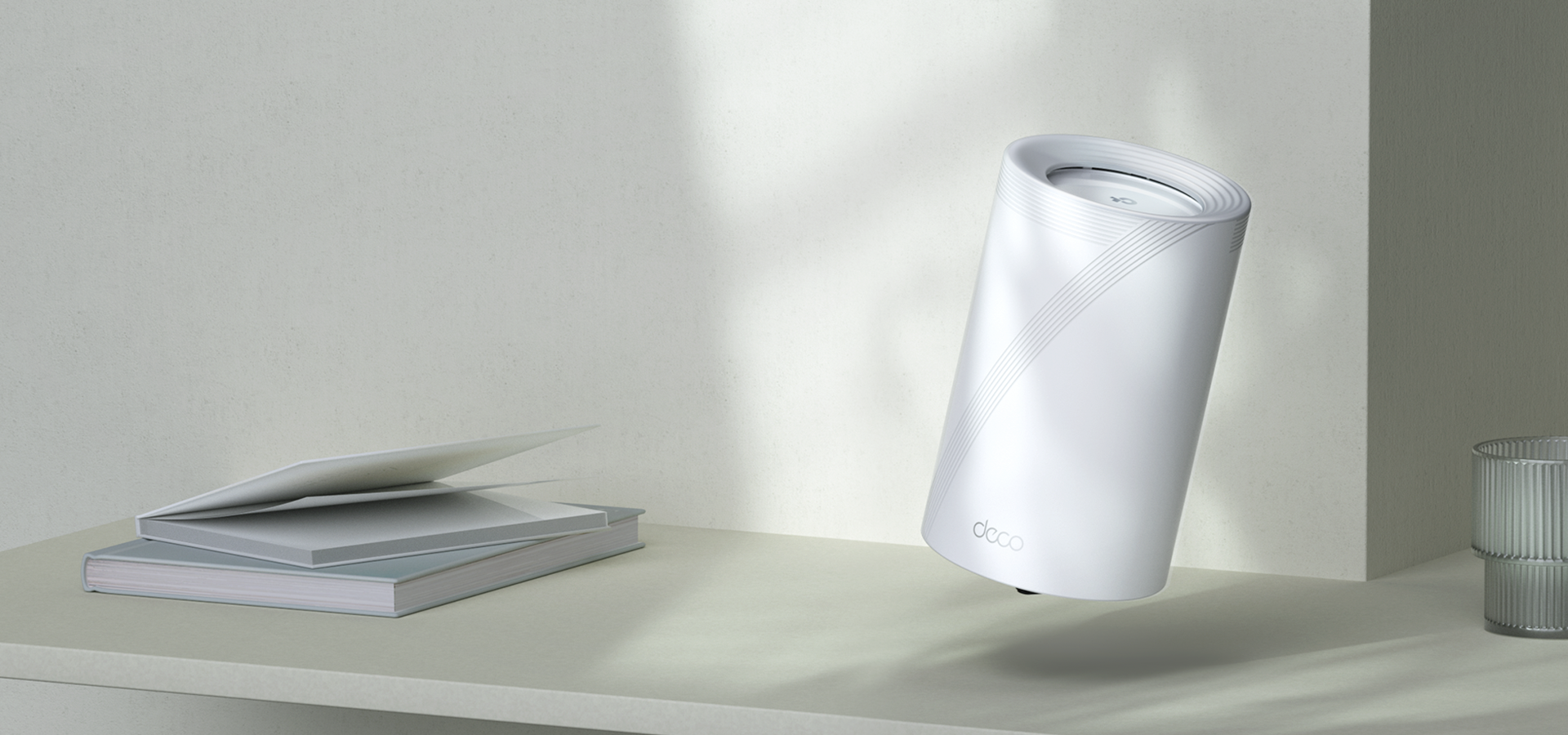
TP-Link Deco BE63 Review: The Sweet Spot for WiFi 7 Mesh Networking
The TP-Link Deco BE63 represents a strategic pivot in the networking market, bringing high-end WiFi 7 (802.11be) capabilities into a more accessible tri-band package. With a combined throughput of 10Gbps and four 2.5Gbps ports per unit, it bridges the gap between legacy WiFi 6E systems and the prohibitively expensive flagship WiFi 7 models.
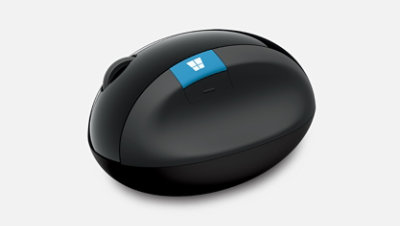
The Last Stand of the Manta Ray: Why the Microsoft Sculpt Ergonomic Desktop Remains an Icon in 2026
The Microsoft Sculpt Ergonomic Desktop is a legendary three-piece peripheral set featuring a split keyboard, a separate number pad, and a high-profile "ergonomic" mouse. Designed to promote a neutral wrist position, it utilizes a domed shape and a cushioned palm rest. While its tactile scissor-switch keys and negative-tilt riser are beloved by writers and developers, its reliance on a non-replaceable 2.4GHz USB-A dongle and the wear-prone fabric of the palm rest remain polarizing points of discussion in the tech community.
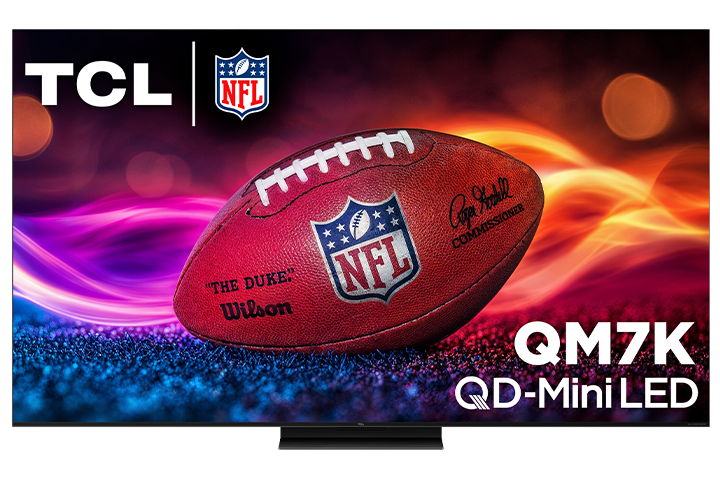
TCL QM7K QLED
The TCL QM7K QLED represents a compelling mid-range mini-LED television that delivers professional-grade picture quality without premium pricing. Released in 2025, this quantum dot display features up to 2,800 local dimming zones, impressive HDR brightness reaching over 1,700 nits, and native 144Hz refresh rates that cater equally to cinephiles and competitive gamers. The television's standout feature is TCL's proprietary Halo Control technology, which effectively minimizes the blooming artifacts that typically plague mini-LED displays. With Bang \& Olufsen-tuned audio, comprehensive HDR format support including Dolby Vision IQ and HDR10+, and Google TV smart platform integration, the QM7K positions itself as a versatile entertainment hub. Available in six sizes from 55 to 115 inches, this television targets consumers seeking near-flagship performance without the associated cost premium.[^1][^2][^3]

Apple iPhone 17
The iPhone 17 lineup represents a pivotal moment for Apple, finally unifying the display experience with ProMotion across all models. While the new ultra-thin "Air" model steals the headlines with its radical ergonomics, the Pro series cements its lead with 12GB of RAM and enhanced 48MP telephoto optics.

Samsung S90F OLED
The Samsung S90F OLED represents a sweet spot in the 2025 OLED television market, delivering near-flagship picture quality at a mid-range position. This display leverages Quantum Dot OLED technology in select models to achieve exceptional color volume, covering 100% of the UHDA-P3 gamut and an impressive 89% of the Rec2020 color space. With four full-bandwidth HDMI 2.1 inputs supporting 4K at 144Hz, the S90F caters equally to cinephiles and gamers . The television features Samsung's NQ4 AI Gen3 processor, which powers upscaling and processing duties while running the mature Tizen operating system. While it lacks Dolby Vision support and anti-glare technology found on the flagship S95F, the S90F compensates with strong HDR brightness reaching 1,162 nits and remarkable contrast. Available in six sizes from 42 to 83 inches, the display uses different panel technologies depending on size and region, with larger models featuring QD-OLED panels and smaller variants using WOLED technology.[^1][^2][^3]
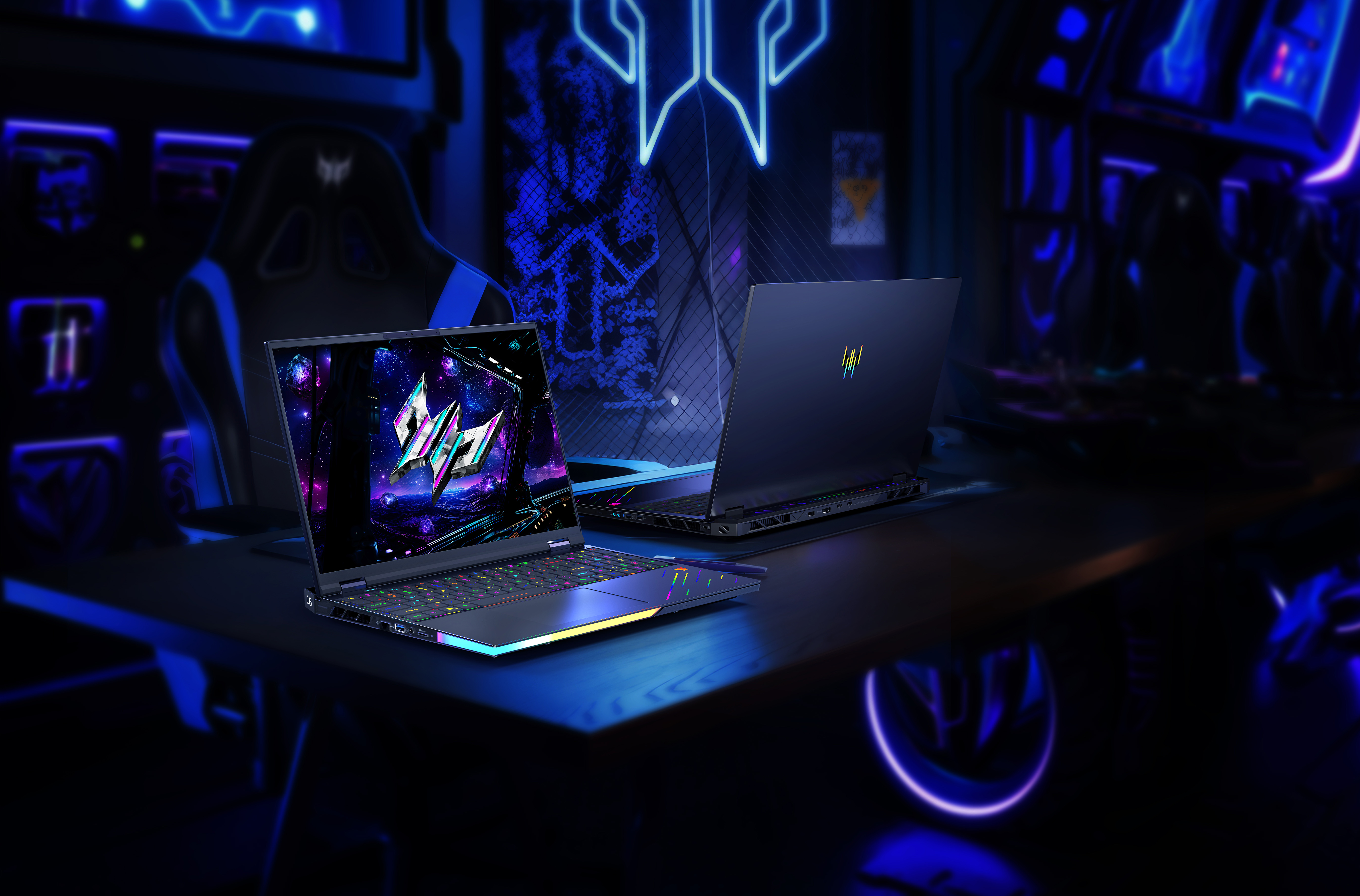
Acer Predator Helios Neo 16 AI
The Acer Predator Helios Neo 16 AI positions itself as an accessible entry into high-performance gaming with Intel's Core Ultra 9 275HX processor and Nvidia's RTX 5070 Ti GPU. The 16-inch OLED panel running at 240Hz represents a standout feature rarely found at this price point, delivering deep blacks and exceptional color accuracy across 100% of the DCI-P3 gamut. Performance tests show the laptop handles demanding titles like Doom: The Dark Ages at native resolution with frame rates hovering around 70fps on Ultra settings, jumping to 180fps with 4X frame generation enabled. However, the slim 19.9mm chassis forces thermal compromises that result in lower sustained clock speeds compared to competing laptops with the same processor, with CPU averaging 3362 MHz under prolonged loads versus 3903-4178 MHz in rivals. Battery life remains a persistent weakness, with most users reporting under three hours of mixed use and less than two hours when the 240Hz refresh rate stays locked.[^1][^2][^3][^4][^5][^6][^7]
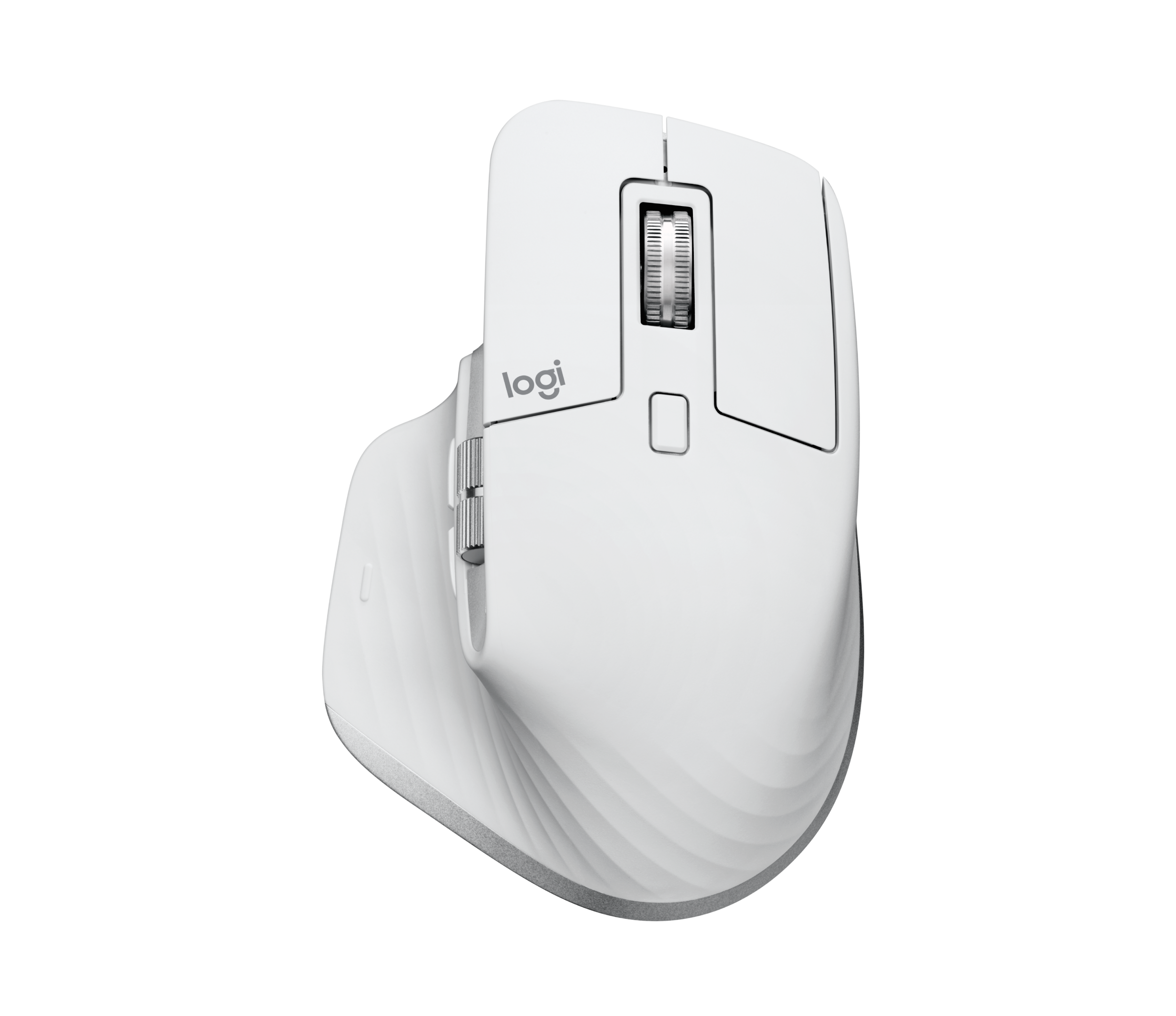
The Silent King of Productivity: Why the Logitech MX Master 3S Remains the Undisputed Desk Champion
The Logitech MX Master 3S is an incremental but vital evolution of the iconic MX Master series. It retains the beloved ergonomic silhouette while introducing "Quiet Click" switches that provide tactical feedback without the noise, and an upgraded 8,000 DPI sensor capable of tracking on glass. Designed for power users, it features the MagSpeed electromagnetic scroll wheel and deep software integration via Logi Options+, making it the premier choice for multi-device workflows and precision editing.

OnePlus 15
The OnePlus 15 arrives as the culmination of the brand's pivot back to its enthusiast roots while maintaining premium build quality. Featuring the latest BOE X3 "Ultra" display and a refined Hasselblad Master Camera System, it addresses previous criticisms regarding telephoto consistency and thermal throttling. It stands as a formidable alternative to the Ultra and Pro Max tiers, focusing on raw speed, longevity, and a clean, high-performance software experience.
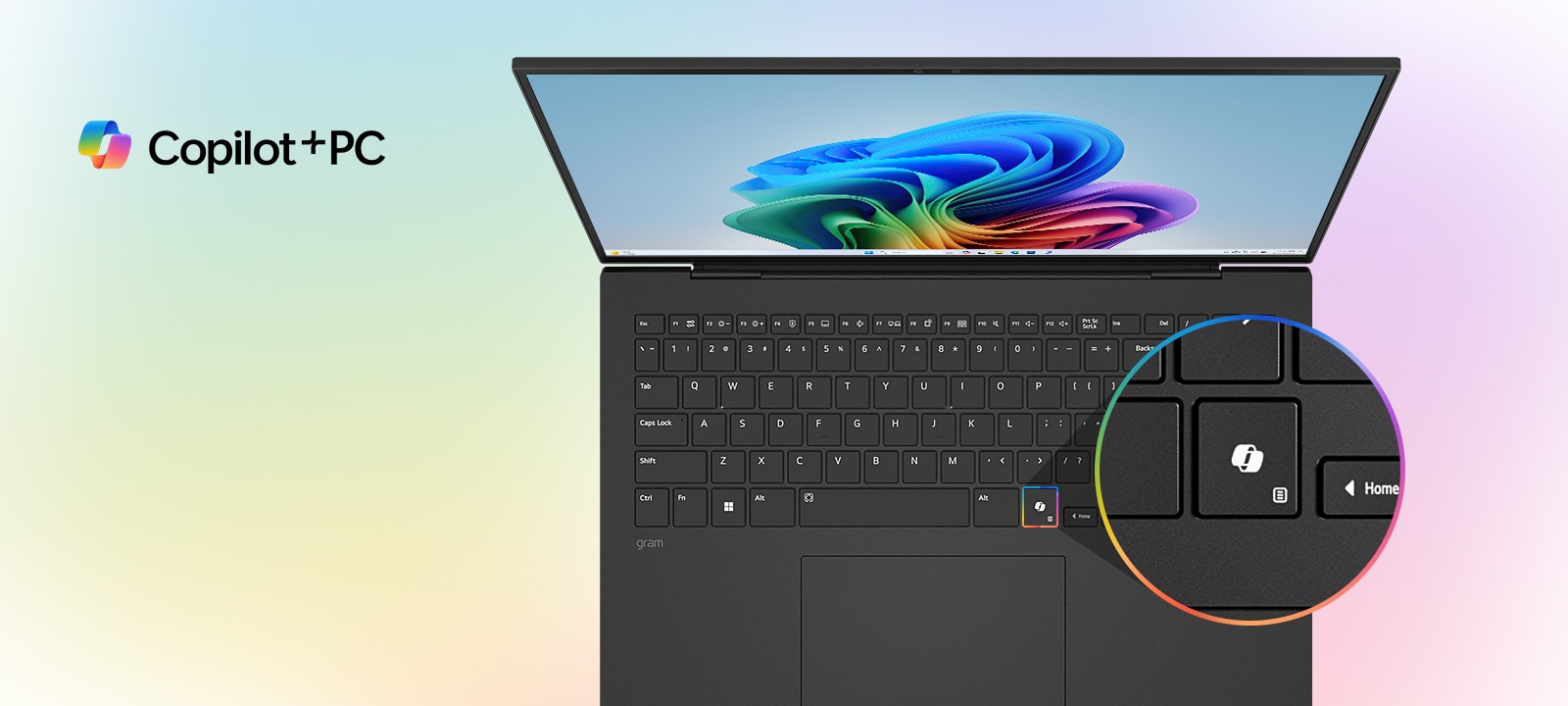
LG Gram Pro 17
The LG Gram Pro 17 represents an engineering achievement in laptop design, packing a 17-inch display into a chassis weighing just 1.3 kilograms. Available with Intel Core Ultra processors and optional discrete NVIDIA graphics, this ultraportable targets professionals who need screen real estate without the weight penalty. The 2023 and 2024 models feature 13th Gen Intel Core i7 processors and GeForce RTX 3050 GPUs, while 2024 variants offer Core Ultra 7 chips. Critics praise its exceptional portability and 12-hour battery life, but note concerns about chassis flexibility and performance trade-offs compared to heavier competitors. Consumer feedback highlights the laptop's practicality for mobile professionals, though some users report keyboard feel issues and speaker limitations.[^1][^2][^3][^4][^5][^6][^7]