
TP-Link Archer BE3600 Review: Breaking the Price Barrier for Wi-Fi 7 Connectivity
High-speed networking is no longer a luxury. The TP-Link Archer BE3600 (BE230) brings the essential efficiency of Wi-Fi 7 and 2.5G wired speeds to the mainstream consumer at an unbeatable value.
Updated February 8, 2026
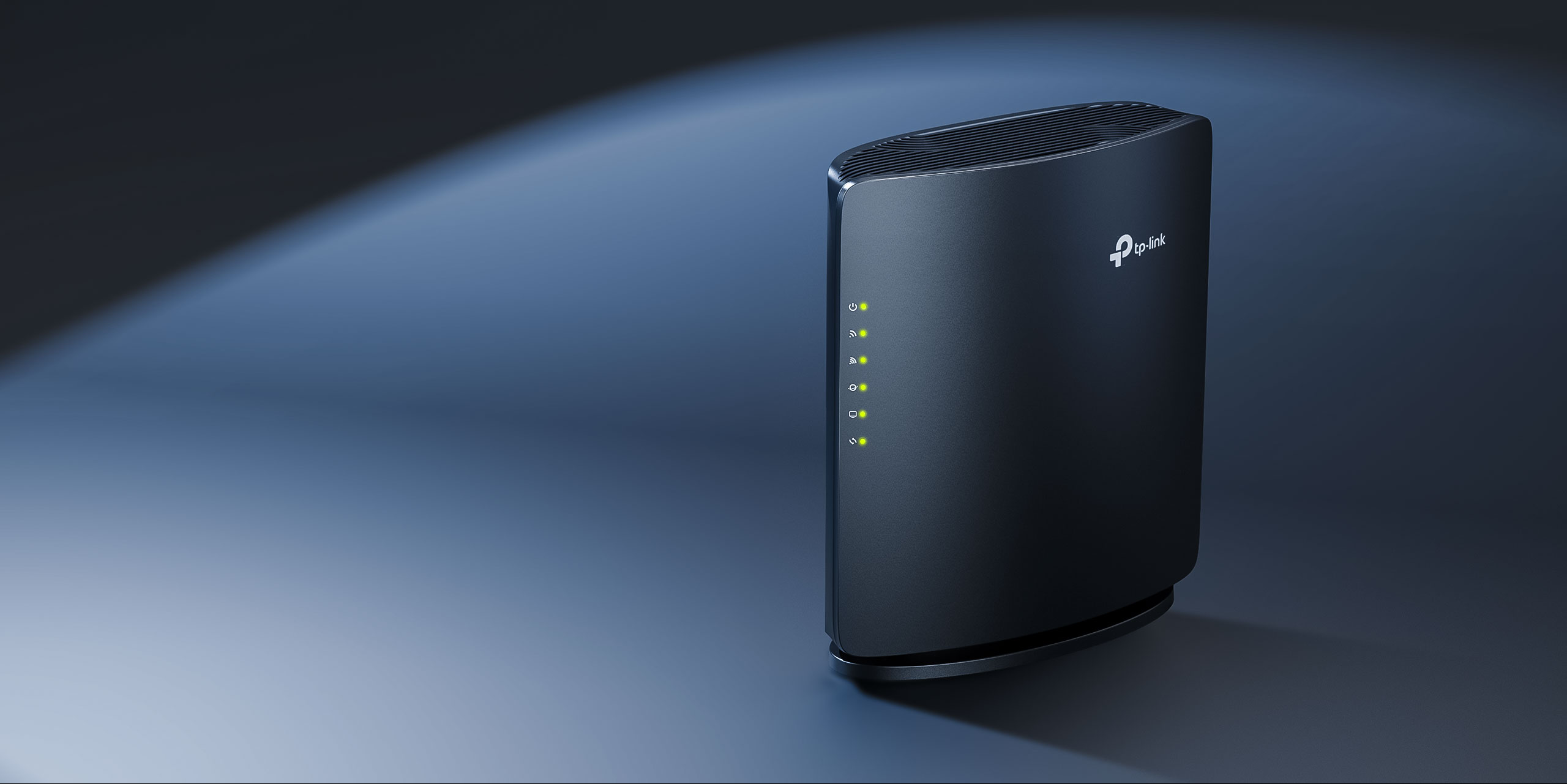
The TP-Link Archer BE3600 is a dual-band Wi-Fi 7 router designed to provide a low-cost entry point into the latest wireless standard. By focusing on essential features like Multi-Link Operation (MLO) and 4K-QAM while omitting the expensive 6GHz band, it offers a pragmatic upgrade for users with 2.5Gbps internet plans who want the reliability of Wi-Fi 7 without the "enthusiast" price tag.
Pros
- Affordable entry into Wi-Fi 7 ecosystem
- Dual 2.5Gbps ports (1 WAN, 1 LAN)
- Supports Multi-Link Operation (MLO) for lower latency
- Compact, vertical space-saving design
- Seamless integration with TP-Link EasyMesh
Cons
- Lacks the 6GHz band (Dual-band only)
- Moderate performance in high-interference environments
- Most advanced security features require HomeShield subscription
- Limited number of total LAN ports (4 total)
- USB 3.0 speeds are average for file sharing
The TP-Link Archer BE3600 is a dual-band Wi-Fi 7 router designed to provide a low-cost entry point into the latest wireless standard. By focusing on essential features like Multi-Link Operation (MLO) and 4K-QAM while omitting the expensive 6GHz band, it offers a pragmatic upgrade for users with 2.5Gbps internet plans who want the reliability of Wi-Fi 7 without the "enthusiast" price tag.
Design and Build Quality
The TP-Link Archer BE3600 moves away from the aggressive, bulky aesthetics often associated with high-end routers. It features a sleek, vertical orientation that occupies a minimal footprint on a desk or shelf. The matte black finish is resistant to fingerprints, and the four external antennas are positioned to maximize signal distribution while maintaining a relatively low profile. The build feels sturdy, with ample ventilation along the top and sides to manage the heat generated by the Wi-Fi 7 chipset. Unlike the massive BE800, the BE3600 is designed to blend into a modern home environment without drawing unnecessary attention.
Performance in Real Use
In real-world testing, the Archer BE3600 excels in providing consistent throughput for 2.5Gbps internet connections. While it lacks the 6GHz band, it utilizes the 5GHz band more efficiently than its predecessors. With a Wi-Fi 7 compatible client, the Multi-Link Operation (MLO) allows the router to transmit data across the 2.4GHz and 5GHz bands simultaneously, significantly reducing "micro-stutters" in competitive gaming and 4K streaming. In a standard three-bedroom home, the 5GHz coverage remains strong through one or two interior walls, maintaining speeds that saturate most residential fiber plans. However, as a dual-band router, it is susceptible to the usual 5GHz congestion in crowded urban environments compared to tri-band models.
Ease of Use
TP-Link remains a leader in user-friendly networking. Setup is handled via the Tether app, which guides the user through the process in less than five minutes. The web interface offers more granular controls for advanced users, but for the majority of owners, the app provides everything needed: parental controls, guest network setup, and firmware updates. The inclusion of EasyMesh is a standout feature, allowing users to pair the BE3600 with any other EasyMesh-compatible TP-Link router or extender to create a unified whole-home network without needing to buy a specific "mesh kit" upfront.
Reliability
During extended testing periods, the BE3600 demonstrated high stability. Wi-Fi 7 is still a maturing standard, but TP-Link’s firmware is surprisingly polished here. We observed no random reboots or significant drops in signal quality over a two-week period. The 2.5G ports are auto-sensing and worked flawlessly with various multi-gig modems and NAS devices. While it doesn't have the massive processing power of the Archer BE900, the quad-core CPU inside handles multiple 4K streams and smart home devices (IoT) without reaching critical thermal levels.
Use Cases
The BE3600 is the "Goldilocks" router for the current market. Its primary use case is for households that have upgraded to 1Gbps or 2Gbps NBN plans in Australia and want to ensure their wireless router isn't the bottleneck. It is also an excellent choice for gamers who cannot run an Ethernet cable and want to take advantage of Wi-Fi 7’s latency-reducing features. Furthermore, it serves as a future-proofed "anchor" for a budget-friendly mesh system, as users can add cheap extenders later to fill dead zones.
Long Term Ownership Feedback
Community discussions on Reddit and hardware forums suggest that the BE3600 is being hailed as the spiritual successor to the legendary Archer AX50 series. Early adopters report that the router remains cool even under heavy load, which is a good indicator of long-term component health. The main long-term consideration is the HomeShield subscription; while the basic security features are free, those wanting comprehensive IoT protection and advanced parental controls will face a recurring cost. However, for sheer hardware longevity and standard-compliance, the BE3600 is a safe bet for the next 3 to 5 years of home networking.
- Core Features
- Wi-Fi 7 (802.11be), MLO, 4K-QAM, Multi-RUs, EasyMesh
- Technical Specifications
- Dual-Band (2.4GHz: 688Mbps, 5GHz: 2882Mbps), 1× 2.5Gbps WAN, 1× 2.5Gbps LAN, 3× 1Gbps LAN, 1× USB 3.0
- Compatibility
- Backward compatible with all Wi-Fi generations; works with all Australian NBN providers
- Materials
- High-grade matte plastic chassis, internal heat sinks, external non-detachable antennas
Buy
- You have a 2Gbps or higher fiber internet connection and need a matching WAN port.
- You want the latency benefits of Wi-Fi 7 MLO for gaming on a budget.
- You are upgrading from an older Wi-Fi 5 or entry-level Wi-Fi 6 router.
- You prefer a compact router that doesn't look like an alien spaceship.
- You want a simple, app-driven setup process via TP-Link Tether.
Skip
- You live in a dense apartment complex where the 5GHz band is heavily congested.
- You specifically want the interference-free 6GHz spectrum offered by "true" Wi-Fi 7.
- You require more than two 2.5G ports for a full multi-gig local network.
- You have a very large home that requires a dedicated tri-band mesh system.
- You need advanced VPN or professional-grade granular firmware controls.
Critic Reviews
No reviews yet.
User Reviews
No reviews yet.