#01
Apple iPhone 16
Apple's refined flagship base model delivers A18 performance, improved battery life, and a practical camera control button—though 60Hz display and incremental design limit long-term appeal for current iPhone owners.
1/5
Published December 31, 2025 • Updated January 28, 2026
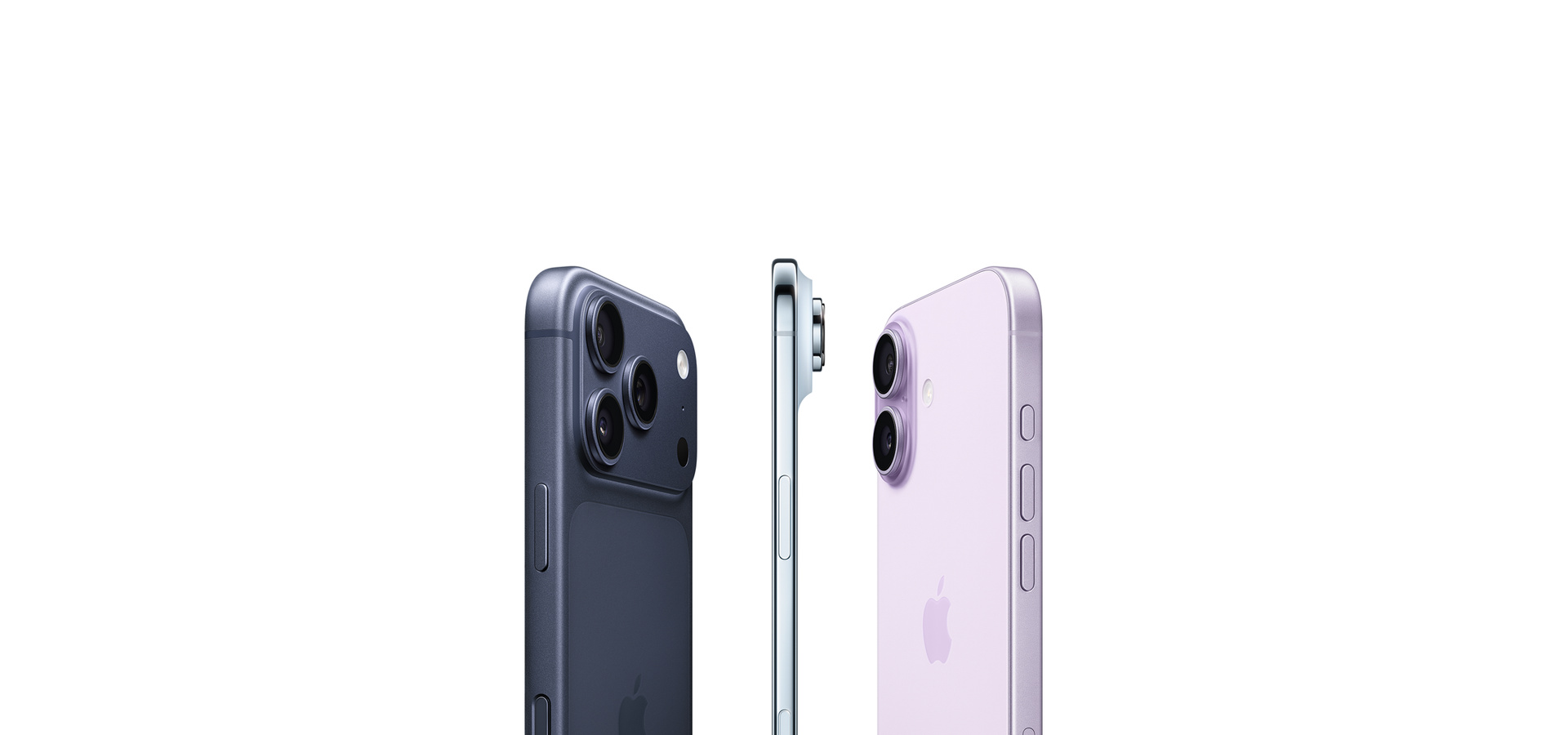
The iPhone 16 represents the strongest positioning of Apple's entry-level flagship in years, narrowing the capabilities gap between standard and Pro models more decisively than any previous generation. Released in September 2024 with the A18 chip paired with 8GB of RAM, this device delivers meaningful performance improvements, enhanced thermal management, and genuine battery life gains that enable full-day reliability for most users. The vertical camera layout unlocks spatial video recording for immersive content creation, while the new Camera Control button introduces tactile camera operation that previous base models lacked. Despite these advances, the iPhone 16 remains a device in transition—the headline feature of Apple Intelligence was unavailable at launch, the display remains locked at 60Hz refresh rate, and the Camera Control button exhibits practical usability challenges in real-world shooting scenarios. For users upgrading from iPhone 14 or earlier models, the iPhone 16 delivers sufficient generational improvement to justify purchase. For iPhone 15 owners, the gains are marginal.
Pros
- A18 chip efficiency and sustained performance: The new processor delivers 35% faster performance than last year's A16, with a redesigned thermal architecture enabling up to 30% higher sustained gaming performance through improved graphene cooling that prevents performance throttling during extended sessions.
- Improved battery life with all-day capability: Measured improvements deliver 17-18 hours of video streaming in real-world testing and 22 hours in Apple's standard playback tests, enabling reliable full-day usage even with moderate to heavy consumption patterns.
- Vibrant color options with refined materials: Five striking color finishes (Ultramarine, Teal, Pink, White, Black) feature color-infused glass that maintains vibrancy across the device lifetime, complemented by next-generation Ceramic Shield that is 50% more scratch-resistant than previous generations.
- Camera Control button for tactile photography: When properly configured, the dedicated camera button enables faster camera launch and zero-shutter-lag composition, capturing moments that would be missed with traditional on-screen controls, particularly effective for enthusiasts and creative professionals.
- Spatial video recording for immersive content: The vertical camera alignment enables stereoscopic video recording compatible with Apple Vision Pro and emerging immersive platforms, future-proofing the device for next-generation content consumption methods.
Cons
- 60Hz display refresh rate versus 120Hz Pro models: The standard model remains locked at 60Hz OLED refresh rate while competitors and Apple's own Pro variants offer 120Hz, resulting in noticeably less fluid scrolling during web browsing and gaming that diminishes the flagship experience.
- Camera Control button practical usability issues: Real-world testing reveals inconsistent single-click camera launch behavior, oversensitive sliding controls that require constant adjustment, and landscape orientation positioning that makes the button difficult to access comfortably.
- USB 2.0 data transfer speed limitation: Despite USB-C connectivity, the base model is restricted to USB 2.0 speeds (480 Mbps) versus USB 3.0, creating bottlenecks when transferring large photo and video libraries directly to computers.
- Delayed Apple Intelligence availability at launch: The primary selling point for the A18 upgrade was not available at product launch, with beta releases scheduled months later and full rollout delayed to 2026 in some regions, removing initial incentive for upgrade considerations.
- Incremental design iteration: The external design remains largely unchanged since iPhone 12 (2020), with the only cosmetic update being brighter color options, resulting in visual stagnation that fails to excite users despite internal improvements.
#02
Motorola Razr Ultra
A flagship-grade folding flip phone powered by Snapdragon 8 Elite, featuring dual high-refresh displays, genuine premium materials, and exceptional battery life that challenges what flip phones can deliver.
2/5
Published December 31, 2025 • Updated January 28, 2026
The Motorola Razr Ultra represents a decisive shift in flip phone priorities, eschewing compromise for flagship-level performance. Equipped with Qualcomm's Snapdragon 8 Elite processor, 16GB RAM, and a 4,700mAh battery, this foldable delivers desktop-class processing power in a compact, pocketable format. The device features a 7-inch main AMOLED display alongside a 4-inch cover display, both refreshing at 165Hz. Motorola differentiates with premium material choices including genuine wood and Alcantara finishes. While the camera system delivers competent results across three 50MP sensors, image processing remains Motorola's weakest link. Battery endurance stands out as a category leader, surpassing competing flip phones by meaningful margins. At \$1,300, the Razr Ultra commands a premium over previous Razr models, positioning itself directly against Samsung's Galaxy Z Flip series.
Pros
- Snapdragon 8 Elite processor delivers flagship-tier performance with 16GB RAM and up to 1TB storage
- Class-leading 4,700mAh battery with 68W wired and 30W wireless fast charging
- Dual 165Hz AMOLED displays with 4,500 nits peak brightness on the main screen
- IPX8 water resistance rating enables underwater submersion protection
- Genuine premium materials including wood and Alcantara back options with titanium-reinforced hinge
Cons
- Camera image processing lags behind flagship standards, particularly in low light and zoomed shots
- Moto AI suite feels incomplete with limited app compatibility and unclear data handling practices
- $1,300 starting price represents a $300 premium over previous Razr Plus models
- No charging brick included in the box despite high-wattage charging support
- Call muting issues when phone contacts face during calls in folded position
#03
Apple iPhone 17 Pro Max
Apple's aluminum flagship combines record battery life, triple 48MP cameras with 8x optical-quality zoom, and A19 Pro performance in a redesigned body that prioritizes capability over compactness.
3/5
Published December 31, 2025 • Updated January 28, 2026
Best Phone
The Apple iPhone 17 Pro Max represents the pinnacle of smartphone engineering for 2025, delivering exceptional battery life that extends well beyond a full day, a transformative triple 48MP Pro Fusion camera system with 8x optical-quality zoom, and industry-leading performance from the A19 Pro chip with 12GB RAM. The redesigned aluminum unibody with camera bar eliminates the wobble that plagued predecessors while introducing the striking Cosmic Orange color option. Professional-grade video features including 4K at 120fps, the innovative 18MP Centre Stage selfie camera, and the brightest smartphone display at 3000 nits peak brightness make this device ideal for content creators and power users. However, the substantial size at 6.9 inches and 233 grams challenges one-handed use, while reported aluminum finish scratching and the switch from titanium raise durability and premium positioning questions. The high starting price presents the biggest obstacle, particularly with the capable standard iPhone 17 available for \$400 less with only minor compromises. For users who demand maximum performance, professional camera capabilities, and industry-leading battery life while accepting the size and cost premium, the iPhone 17 Pro Max delivers one of the most capable smartphones available.
Pros
- Exceptional battery life that consistently delivers over a day of use, often extending into a second day with up to 26 hours in benchmark testing
- Triple 48MP Pro Fusion camera system offering versatile shooting capabilities with 8x optical-quality zoom and improved ultra-wide performance
- Premium redesigned aesthetic featuring a camera bar that eliminates wobble and delivers a striking Cosmic Orange color option
- Outstanding display quality with 3000 nits peak brightness for excellent outdoor visibility and anti-reflective coating
- Top-tier performance from the A19 Pro chip with 12GB RAM delivering smooth, lag-free operation across all applications
Cons
- High price point starting at $1,419 USD with the top 2TB model approaching $2,000, making it difficult to justify versus standard iPhone 17
- Scratch concerns with reported durability issues on the aluminum finish, particularly on Deep Blue and Cosmic Orange variants
- Display dimming under sustained use despite improved vapor chamber cooling and aluminum construction
- Large size and weight at 233 grams makes one-handed use challenging and can cause thumb strain during extended use
- Switch from titanium to aluminum reduces the premium feel compared to the previous generation
#04
Samsung Galaxy S25 Ultra
Premium Android flagship combines exceptional display, advanced AI features, versatile cameras, and all-day battery in refined titanium design with integrated S Pen.
4/5
Published December 31, 2025 • Updated January 28, 2026
The Samsung Galaxy S25 Ultra establishes itself as the premier Android flagship through exceptional display technology, outstanding battery endurance, and sophisticated AI integration that genuinely enhances productivity. The 6.9-inch screen delivers unmatched brightness and color accuracy, while the Snapdragon 8 Elite processor ensures flagship performance across demanding applications. The versatile quad-camera system captures stunning images with excellent low-light capability, though hardware upgrades remain modest beyond the improved 50MP ultrawide sensor. Advanced AI features like cross-app voice actions and Audio Eraser demonstrate meaningful innovation, even as some capabilities like Now Brief require further maturation. The refined titanium design sheds weight while maintaining premium build quality, though the removal of S Pen Bluetooth and absence of integrated Qi2 magnets represent notable compromises. Seven years of software support ensures long-term value for the \$1,299 starting price. For users seeking the absolute best Android experience with cutting-edge AI and a built-in stylus, the Galaxy S25 Ultra delivers compelling capability, though those satisfied with the S24 Ultra may find the improvements too incremental to justify immediate upgrade.
Pros
- Exceptional Display Quality: 6.9-inch Dynamic AMOLED 2X screen delivers 1,860 nits peak brightness with 90.8% DCI-P3 color gamut coverage, outperforming iPhone 16 Pro Max in brightness and color accuracy
- Outstanding Battery Life: 5,000mAh battery achieves 17 hours 14 minutes in continuous testing, making it the longest-lasting Samsung phone tested, with 18 hours 35 minutes in 60Hz mode
- Versatile Camera System: 200MP main sensor with upgraded 50MP ultrawide camera produces vibrant, detailed images with excellent low-light performance and improved stabilization
- Flagship Performance: Snapdragon 8 Elite chip with 12GB RAM delivers exceptional benchmark scores and silky smooth multitasking across demanding applications and gaming
- Advanced AI Integration: Cross-app actions via Google Gemini enables voice-commanded tasks across multiple apps simultaneously, plus AI Select, enhanced Circle to Search, and Audio Eraser features
Cons
- Incremental Camera Hardware Upgrades: Aside from the ultrawide sensor boost to 50MP, camera hardware remains largely unchanged from S24 Ultra, with macro photography still trailing competitors
- Downgraded S Pen Functionality: Bluetooth radio removed from S Pen eliminates remote air gesture controls and wireless features used by some power users
- No Built-in Qi2 Magnets: Requires purchasing a compatible case to access Qi2 magnetic wireless charging accessories and mounting solutions
- Inconsistent AI Features: Now Brief feature underwhelms with basic insights and clickbait news suggestions, needing more time to develop personalization capabilities
- Heavy Camera Battery Drain: Extended camera use causes significantly faster battery depletion due to advanced processing demands from high-resolution imaging and AI features
#05
Motorola Razr Ultra
A flagship-grade folding flip phone powered by Snapdragon 8 Elite, featuring dual high-refresh displays, genuine premium materials, and exceptional battery life that challenges what flip phones can deliver.
5/5
Published December 31, 2025 • Updated January 28, 2026
The Motorola Razr Ultra represents a decisive shift in flip phone priorities, eschewing compromise for flagship-level performance. Equipped with Qualcomm's Snapdragon 8 Elite processor, 16GB RAM, and a 4,700mAh battery, this foldable delivers desktop-class processing power in a compact, pocketable format. The device features a 7-inch main AMOLED display alongside a 4-inch cover display, both refreshing at 165Hz. Motorola differentiates with premium material choices including genuine wood and Alcantara finishes. While the camera system delivers competent results across three 50MP sensors, image processing remains Motorola's weakest link. Battery endurance stands out as a category leader, surpassing competing flip phones by meaningful margins. At \$1,300, the Razr Ultra commands a premium over previous Razr models, positioning itself directly against Samsung's Galaxy Z Flip series.
Pros
- Snapdragon 8 Elite processor delivers flagship-tier performance with 16GB RAM and up to 1TB storage
- Class-leading 4,700mAh battery with 68W wired and 30W wireless fast charging
- Dual 165Hz AMOLED displays with 4,500 nits peak brightness on the main screen
- IPX8 water resistance rating enables underwater submersion protection
- Genuine premium materials including wood and Alcantara back options with titanium-reinforced hinge
Cons
- Camera image processing lags behind flagship standards, particularly in low light and zoomed shots
- Moto AI suite feels incomplete with limited app compatibility and unclear data handling practices
- $1,300 starting price represents a $300 premium over previous Razr Plus models
- No charging brick included in the box despite high-wattage charging support
- Call muting issues when phone contacts face during calls in folded position