
Mobile
Best Picks

Best Android Phone of 2026
The Ultimate Android Phones: Performance, AI Innovation, and Next-Gen Power
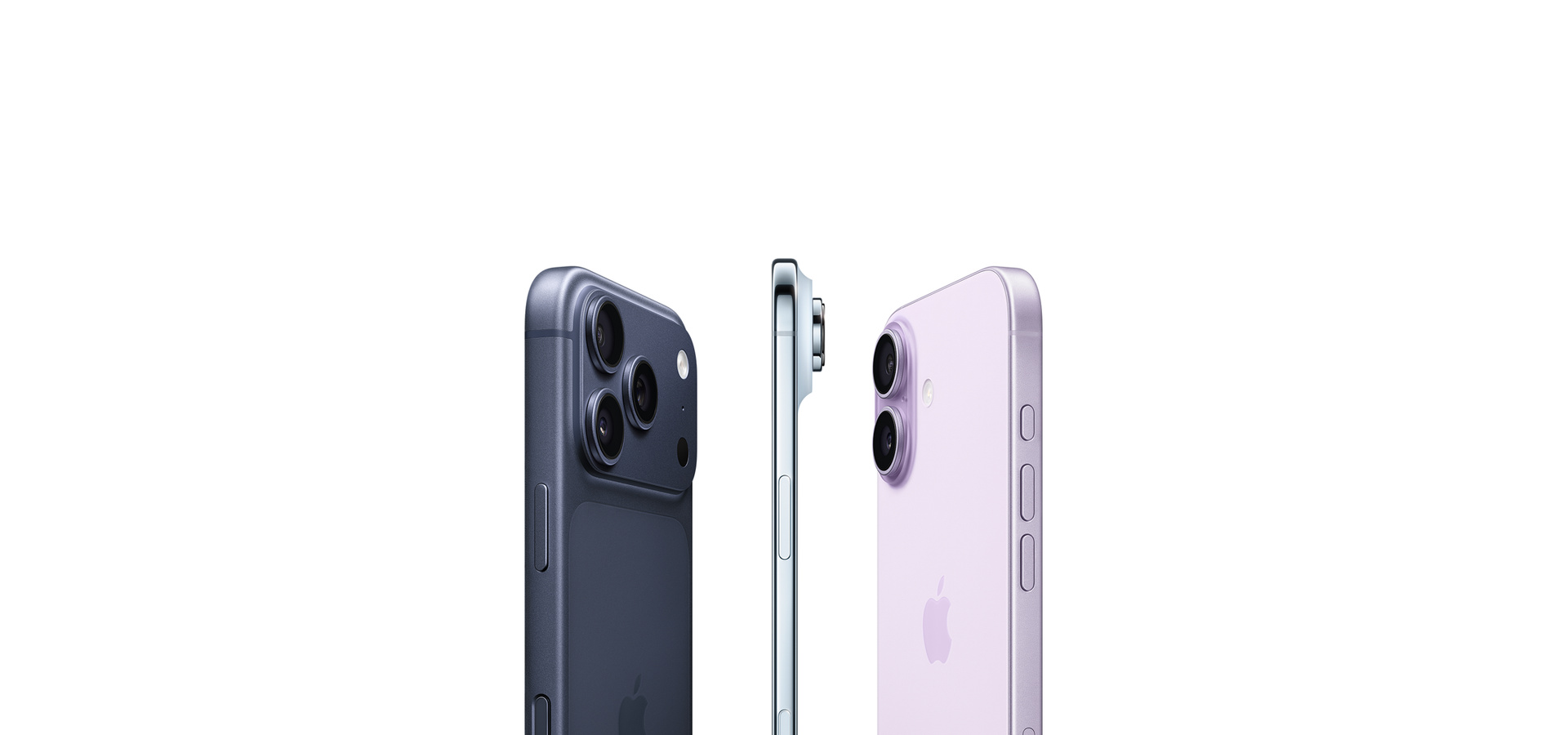
Best Phone of 2026
Premium Smartphones That Balance Power, Photography and All-Day Battery Life

Best 5G Phone of 2026
Premium 5G Smartphones That Balance Performance, Photography and All-Day Connectivity

Best Foldable Phone of 2026
The Ultimate Portable Powerhouse: Foldable Smartphones That Transform How You Work and Play
Reviews

Google Pixel 9
The Google Pixel 9 represents a significant shift in Google’s hardware strategy. Moving away from the distinct "visor" design of previous years, it adopts a more industrial, premium aesthetic. Under the hood, the Tensor G4 focuses on efficiency and on-device AI performance rather than raw gaming benchmarks. With a massive jump to 12GB of RAM and a significantly brighter Actua display, it is no longer the "lesser" sibling, but a flagship in its own right, emphasizing AI utility through tools like Gemini Nano, Pixel Studio, and "Add Me" photography.

Samsung Galaxy Z Flip 6
The Samsung Galaxy Z Flip 6 represents the most significant internal overhaul in the series' history. While the exterior remains familiar—save for a sleek matte finish and color-matched camera rings—the gut of the device has been reimagined. By integrating the Snapdragon 8 Gen 3 for Galaxy, a larger 4,000mAh battery, and a vapor chamber for heat dissipation, Samsung has addressed the performance throttling stigma previously attached to foldables. The camera system finally steps up to the S24's level, making it a viable primary device for creators.
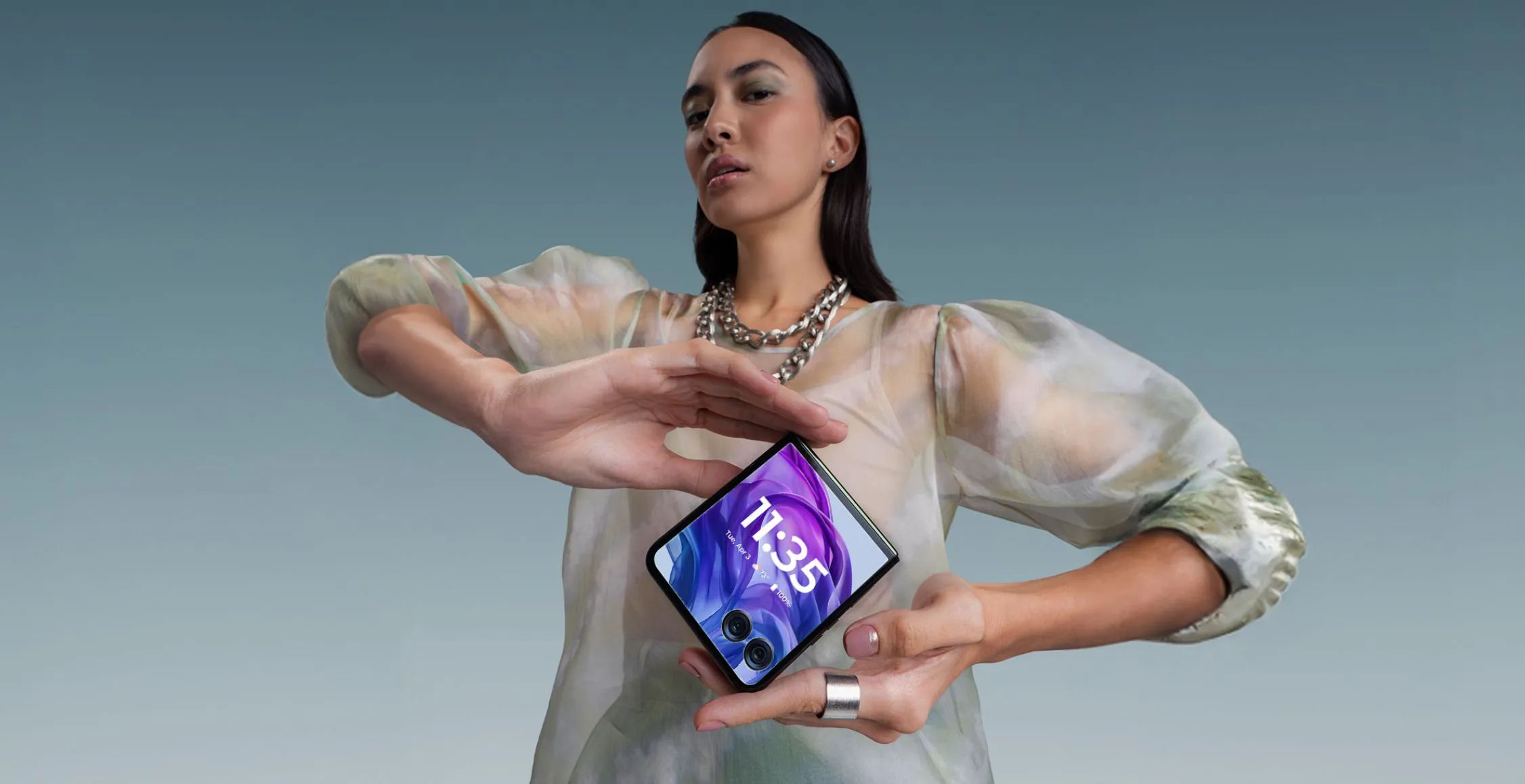
Motorola Razr Plus
The Motorola Razr Plus (2024), known globally as the Razr 50 Ultra, represents the pinnacle of foldable maturity. By expanding the external display to 4.0 inches and refining the hinge, Motorola has moved beyond the "gimmick" phase of foldables. It features a Snapdragon 8s Gen 3 processor, a unique 50MP telephoto lens in place of the traditional ultrawide, and a sophisticated AI suite. This device is designed for users who want to minimize distractions while maintaining a premium, tactile smartphone experience.

Google Pixel 9 Pro Fold
The Google Pixel 9 Pro Fold represents a massive pivot in Google’s hardware strategy. Abandoning the "passport" form factor for a taller, slimmer profile, it now mirrors the ergonomics of a standard smartphone when closed. With the Tensor G4, 16GB of RAM, and a suite of Gemini-powered AI tools, it focuses on utility and "helpful" tech over raw benchmark dominance.
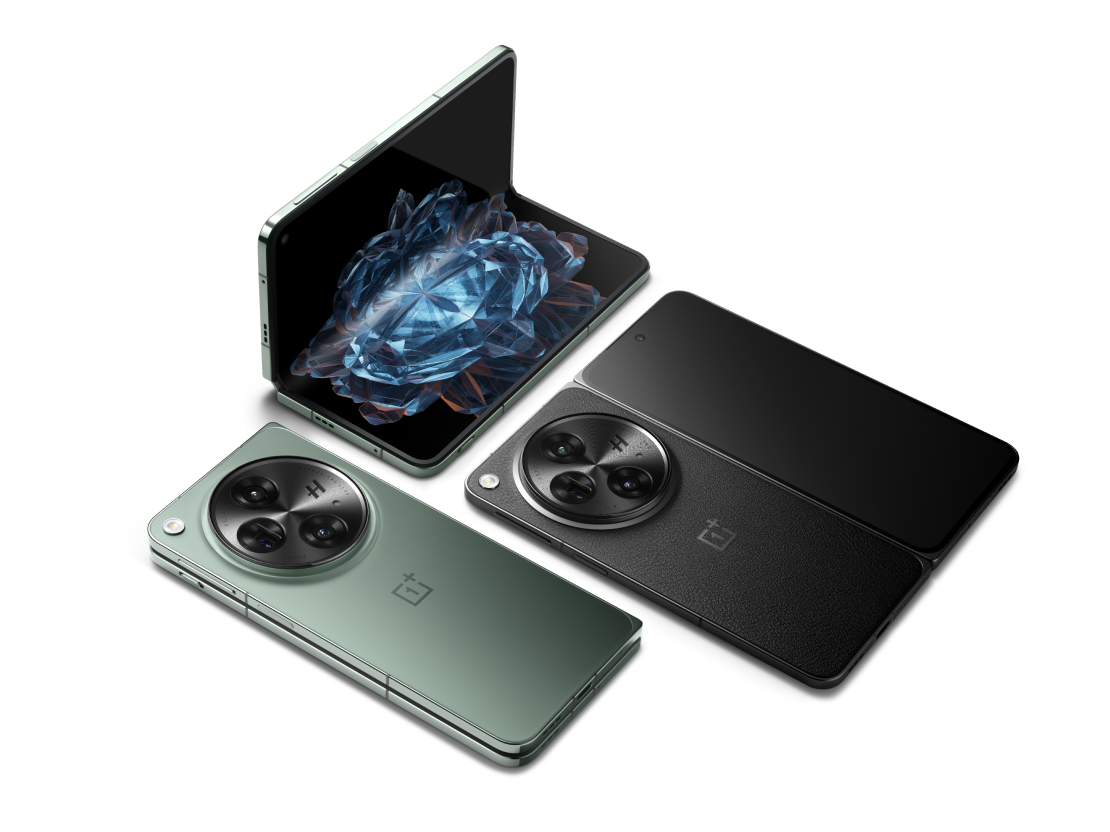
OnePlus Open
The OnePlus Open represents a pivotal shift in the foldable market, successfully challenging the Samsung monopoly. By prioritizing a "normal" outer screen aspect ratio and revolutionary multitasking software called Open Canvas, it bridges the gap between smartphone and tablet more effectively than any predecessor. While it lacks wireless charging, its superior hinge design, elite camera system, and rapid charging make it a top-tier contender for power users.
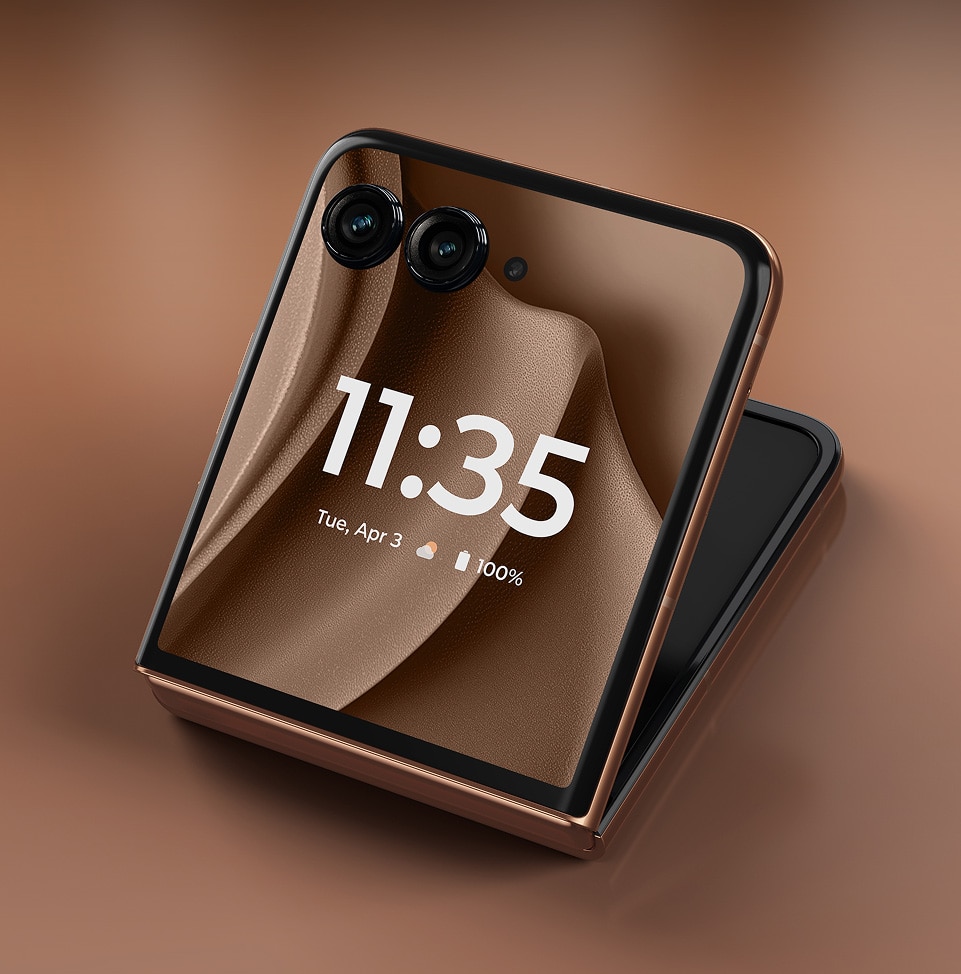
Motorola Razr 2025
The Motorola Razr 2025 (and its "Plus" sibling) represents a peak in foldable maturity. Motorola has leaned heavily into the "External-First" philosophy, expanding the cover display to wrap entirely around the camera housings with a near-bezel-less design. Featuring the Snapdragon 8 Gen 4 chipset and a bespoke "Moto AI" assistant, the device focuses on reducing "digital fatigue" by allowing users to complete 90% of tasks without unfolding the phone. The hinge has been reinforced with a new "Fluid-Link" mechanism, and the internal screen crease is now virtually undetectable to the touch.

Samsung Galaxy S25 Ultra
The Samsung Galaxy S25 Ultra marks a pivotal shift in Samsung's design philosophy, moving away from the "boxy" aesthetic toward a rounded, more pocket-friendly silhouette. Powered by the Snapdragon 8 Elite (Gen 4) and featuring a significantly upgraded 50MP secondary camera array, it remains the most versatile "everything" phone.

Apple iPhone 16
The iPhone 16 represents the most significant closing of the gap between "standard" and "Pro" models in years. By introducing the A18 chip, the Action Button, and the brand-new Camera Control, Apple has moved away from simply recycling last year's tech. It is a device built for the upcoming Apple Intelligence era, wrapped in a more durable and colorful chassis that prioritizes both style and functional utility.

Apple iPhone 17 Pro Max
The iPhone 17 Pro Max marks a pivotal shift in Apple’s strategy, prioritizing massive internal memory and thermal efficiency to facilitate on-device LLMs. While the exterior remains familiar, the leap in under-display sensor tech and the A19 Pro chip's neural performance makes it a foundational upgrade for the next era of mobile computing.