#01
Apple iPhone 17 Pro Max
Apple's aluminum flagship combines record battery life, triple 48MP cameras with 8x optical-quality zoom, and A19 Pro performance in a redesigned body that prioritizes capability over compactness.
1/5
Published December 31, 2025 • Updated January 28, 2026
Best Phone
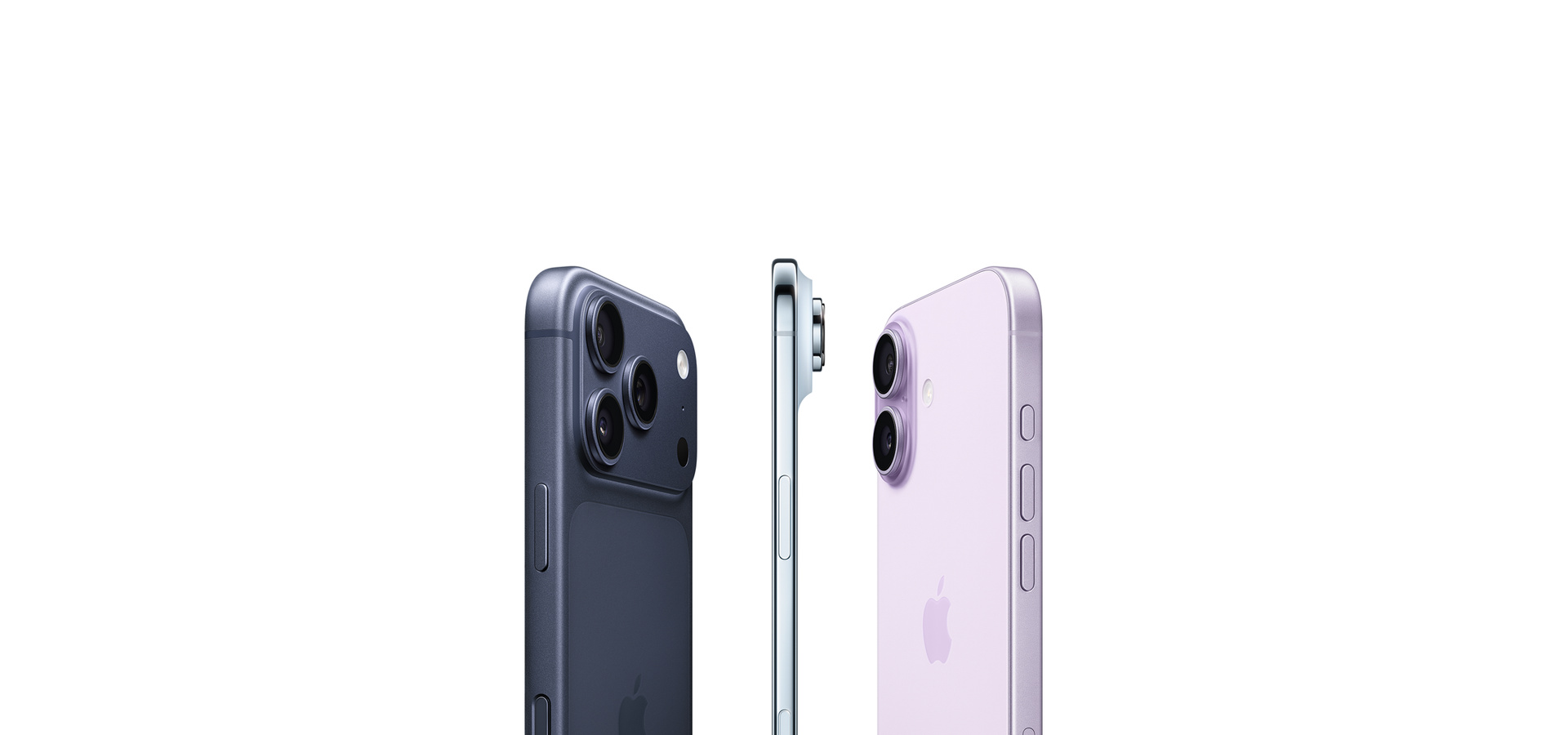
The Apple iPhone 17 Pro Max represents the pinnacle of smartphone engineering for 2025, delivering exceptional battery life that extends well beyond a full day, a transformative triple 48MP Pro Fusion camera system with 8x optical-quality zoom, and industry-leading performance from the A19 Pro chip with 12GB RAM. The redesigned aluminum unibody with camera bar eliminates the wobble that plagued predecessors while introducing the striking Cosmic Orange color option. Professional-grade video features including 4K at 120fps, the innovative 18MP Centre Stage selfie camera, and the brightest smartphone display at 3000 nits peak brightness make this device ideal for content creators and power users. However, the substantial size at 6.9 inches and 233 grams challenges one-handed use, while reported aluminum finish scratching and the switch from titanium raise durability and premium positioning questions. The high starting price presents the biggest obstacle, particularly with the capable standard iPhone 17 available for \$400 less with only minor compromises. For users who demand maximum performance, professional camera capabilities, and industry-leading battery life while accepting the size and cost premium, the iPhone 17 Pro Max delivers one of the most capable smartphones available.
Pros
- Exceptional battery life that consistently delivers over a day of use, often extending into a second day with up to 26 hours in benchmark testing
- Triple 48MP Pro Fusion camera system offering versatile shooting capabilities with 8x optical-quality zoom and improved ultra-wide performance
- Premium redesigned aesthetic featuring a camera bar that eliminates wobble and delivers a striking Cosmic Orange color option
- Outstanding display quality with 3000 nits peak brightness for excellent outdoor visibility and anti-reflective coating
- Top-tier performance from the A19 Pro chip with 12GB RAM delivering smooth, lag-free operation across all applications
Cons
- High price point starting at $1,419 USD with the top 2TB model approaching $2,000, making it difficult to justify versus standard iPhone 17
- Scratch concerns with reported durability issues on the aluminum finish, particularly on Deep Blue and Cosmic Orange variants
- Display dimming under sustained use despite improved vapor chamber cooling and aluminum construction
- Large size and weight at 233 grams makes one-handed use challenging and can cause thumb strain during extended use
- Switch from titanium to aluminum reduces the premium feel compared to the previous generation
#02
Samsung Galaxy S25 Ultra
Premium Android flagship combines exceptional display, advanced AI features, versatile cameras, and all-day battery in refined titanium design with integrated S Pen.
2/5
Published December 31, 2025 • Updated January 28, 2026
The Samsung Galaxy S25 Ultra establishes itself as the premier Android flagship through exceptional display technology, outstanding battery endurance, and sophisticated AI integration that genuinely enhances productivity. The 6.9-inch screen delivers unmatched brightness and color accuracy, while the Snapdragon 8 Elite processor ensures flagship performance across demanding applications. The versatile quad-camera system captures stunning images with excellent low-light capability, though hardware upgrades remain modest beyond the improved 50MP ultrawide sensor. Advanced AI features like cross-app voice actions and Audio Eraser demonstrate meaningful innovation, even as some capabilities like Now Brief require further maturation. The refined titanium design sheds weight while maintaining premium build quality, though the removal of S Pen Bluetooth and absence of integrated Qi2 magnets represent notable compromises. Seven years of software support ensures long-term value for the \$1,299 starting price. For users seeking the absolute best Android experience with cutting-edge AI and a built-in stylus, the Galaxy S25 Ultra delivers compelling capability, though those satisfied with the S24 Ultra may find the improvements too incremental to justify immediate upgrade.
Pros
- Exceptional Display Quality: 6.9-inch Dynamic AMOLED 2X screen delivers 1,860 nits peak brightness with 90.8% DCI-P3 color gamut coverage, outperforming iPhone 16 Pro Max in brightness and color accuracy
- Outstanding Battery Life: 5,000mAh battery achieves 17 hours 14 minutes in continuous testing, making it the longest-lasting Samsung phone tested, with 18 hours 35 minutes in 60Hz mode
- Versatile Camera System: 200MP main sensor with upgraded 50MP ultrawide camera produces vibrant, detailed images with excellent low-light performance and improved stabilization
- Flagship Performance: Snapdragon 8 Elite chip with 12GB RAM delivers exceptional benchmark scores and silky smooth multitasking across demanding applications and gaming
- Advanced AI Integration: Cross-app actions via Google Gemini enables voice-commanded tasks across multiple apps simultaneously, plus AI Select, enhanced Circle to Search, and Audio Eraser features
Cons
- Incremental Camera Hardware Upgrades: Aside from the ultrawide sensor boost to 50MP, camera hardware remains largely unchanged from S24 Ultra, with macro photography still trailing competitors
- Downgraded S Pen Functionality: Bluetooth radio removed from S Pen eliminates remote air gesture controls and wireless features used by some power users
- No Built-in Qi2 Magnets: Requires purchasing a compatible case to access Qi2 magnetic wireless charging accessories and mounting solutions
- Inconsistent AI Features: Now Brief feature underwhelms with basic insights and clickbait news suggestions, needing more time to develop personalization capabilities
- Heavy Camera Battery Drain: Extended camera use causes significantly faster battery depletion due to advanced processing demands from high-resolution imaging and AI features
#03
Samsung Galaxy A16 5G
Six years of updates elevate this $200 Android phone beyond its sluggish performance and basic build, making it a surprisingly compelling long-term value for budget-conscious buyers.
3/5
Published December 31, 2025 • Updated January 28, 2026
The Samsung Galaxy A16 5G enters the budget smartphone market at \$199.99 with a proposition that balances modest hardware against an unprecedented software commitment. While it delivers a 6.7-inch Super AMOLED display with 90Hz refresh rate and solid battery life, its Exynos 1330 processor struggles with multitasking and stutter. The phone's greatest asset isn't its camera or performance—it's Samsung's promise of six years of software updates and security patches through 2030, a commitment typically reserved for flagship devices. For users prioritizing longevity over raw speed, the A16 5G represents a calculated trade-off in the entry-level Android market.
Pros
- Exceptional software support: Six years of major Android upgrades and security updates through 2030, unprecedented for the budget segment
- Quality display: 6.7-inch Super AMOLED panel with 90Hz refresh rate delivers sharp visuals and smooth animations at 385 ppi density
- Reliable battery performance: 5000 mAh battery delivers all-day endurance with 43.5 hours of endurance rating and supports 25W fast charging
- Expandable storage: MicroSD card support up to 1.5TB provides extensive storage flexibility beyond base 128GB/256GB options
- Improved video capabilities: 4K video recording with gyro-EIS stabilization and ability to switch between cameras during recording
Cons
- Sluggish performance: Exynos 1330 with 4GB RAM creates persistent stutter when unlocking, scrolling, and multitasking
- Limited RAM: Base 4GB configuration struggles with Android's multitasking requirements and app switching
- Weak peripheral cameras: 5MP ultrawide and 2MP macro sensors deliver underwhelming results compared to the 50MP main camera
- Poor outdoor visibility: Adaptive brightness cannot overcome direct sunlight and reflective screen finish produces significant glare
- Slow startup behavior: Phone experiences significant lag and gesture recognition issues for several minutes after powering on or updates
#04
Samsung Galaxy Z Fold 7
Samsung's thinnest foldable yet pairs flagship 200MP cameras with an 8-inch display, but battery life and durability questions linger beneath the premium surface.
4/5
Published December 31, 2025 • Updated January 28, 2026
The Samsung Galaxy Z Fold 7 represents the first foldable device that doesn't force users to compromise flagship features for the sake of form factor innovation. Its revolutionary ultra-thin design, measuring thinner than traditional flagships when unfolded, paired with a genuinely usable 6.5-inch cover display and expansive 8-inch main screen, finally delivers on the foldable promise. The addition of a flagship-grade 200MP camera system and Snapdragon 8 Elite processor ensures performance matches premium expectations. However, the modest 4,400mAh battery struggles with heavy use, slow 25W charging feels dated, and the loss of S Pen support disappoints productivity enthusiasts. Camera processing inconsistency and emerging durability concerns around hinge longevity temper an otherwise exceptional device. For users who prioritize productivity, multitasking, and cutting-edge form factor over maximum battery endurance, the Z Fold 7 stands as the most refined and capable foldable phone available.
Pros
- Ultra-thin and lightweight design: At 0.17 inches unfolded and 7.58 ounces, the Z Fold 7 is thinner and lighter than flagship slab phones like the iPhone 16 Pro Max and Galaxy S25 Ultra
- Significantly improved 200MP main camera: First Fold series device to feature flagship-grade camera sensor, delivering professional-quality images and 8K video recording
- Enhanced 6.5-inch cover display: Wider aspect ratio matches the S25 Ultra, making the device fully usable while folded without needing to open it
- Expansive 8-inch main display: Matches iPad mini size, offering exceptional multitasking capabilities and immersive content consumption
- Powerful Snapdragon 8 Elite processor: Delivers flagship-level performance for demanding applications, gaming, and seamless multitasking
Cons
- Limited battery capacity: 4,400mAh battery struggles with heavy use and drains faster than competing foldables with larger batteries
- Modest charging speeds: 25W wired charging is slow by current flagship standards, taking approximately 90 minutes for full charge
- Inconsistent camera processing: Samsung's image processing produces variable results, with users often discarding multiple shots to find keepers
- Limited optical zoom capabilities: Only 3x telephoto compared to 10x on S25 Ultra, disappointing for a flagship-tier device
- No S Pen support: Samsung eliminated stylus compatibility on this generation, removing a key productivity feature
#05
TCL QM7K QLED
This mid-range mini-LED TV impresses with extraordinary brightness, deep blacks through Halo Control technology, and 144Hz gaming capabilities that punch well above its competitive positioning.
5/5
Published December 31, 2025 • Updated January 28, 2026
The TCL QM7K QLED represents a compelling mid-range mini-LED television that delivers professional-grade picture quality without premium pricing. Released in 2025, this quantum dot display features up to 2,800 local dimming zones, impressive HDR brightness reaching over 1,700 nits, and native 144Hz refresh rates that cater equally to cinephiles and competitive gamers. The television's standout feature is TCL's proprietary Halo Control technology, which effectively minimizes the blooming artifacts that typically plague mini-LED displays. With Bang \& Olufsen-tuned audio, comprehensive HDR format support including Dolby Vision IQ and HDR10+, and Google TV smart platform integration, the QM7K positions itself as a versatile entertainment hub. Available in six sizes from 55 to 115 inches, this television targets consumers seeking near-flagship performance without the associated cost premium.
Pros
- Exceptional SDR brightness and impressive HDR peak luminance exceeding 1,700 nits makes it suitable for bright viewing environments
- Fantastic contrast ratio with extremely deep blacks maintained even during bright highlight scenes
- Halo Control technology effectively minimizes blooming around bright objects on dark backgrounds
- Native 144Hz refresh rate with up to 288Hz VRR support provides smooth gaming performance
- Bang & Olufsen-tuned audio system delivers significantly better sound quality than typical built-in TV speakers
Cons
- Reflective screen struggles with direct light sources despite good ambient glare handling
- Sub-par HDR color accuracy out of box requires calibration for color-critical viewing
- Minor vignetting visible in screen corners during darker scenes
- Some visible blooming and haloing around subtitles compared to higher-end models
- Limited bass response from built-in speakers despite overall audio improvements