
TVs
Best Picks
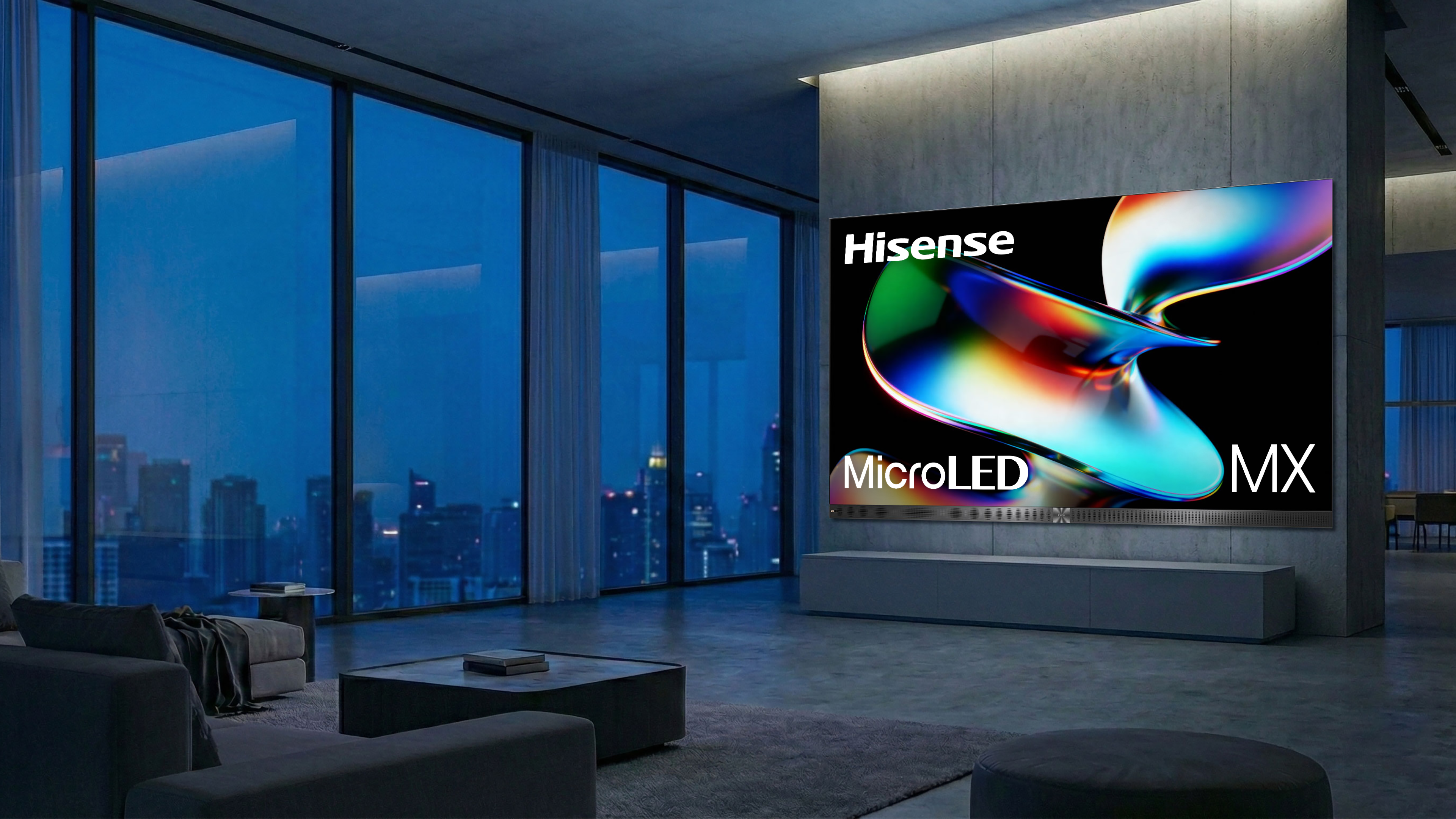
Best TVs from CES 2026
Bring the cinema home.
Best 4K TVs of 2026
Find the Perfect 4K Television for Stunning Picture Quality and Seamless Streaming
Best OLED TVs of 2026
Premium OLED TVs That Deliver Perfect Blacks and Vivid Color for Cinematic Home Viewing
Best Sports TVs of 2026
Top Picks for Motion, Brightness, and Game-Day Clarity

Best QLED TVs of 2026
Elevate Your Viewing with High-Performance QLED Televisions
Best Budget TVs of 2026
Premium Features Without the Premium Price
Reviews

Panasonic Z95A OLED
The Panasonic Z95A OLED represents Panasonic's bold re-entry into the premium television market after years of absence from North America. Built on LG Display's second-generation META Gen 2 MLA (Micro Lens Array) panel technology, this flagship OLED achieves exceptional peak brightness levels approaching 1,600-1,700 nits while maintaining the deep blacks and infinite contrast OLED is known for. The Z95A distinguishes itself through Panasonic's commitment to picture authenticity and filmmaker intent, powered by the HCX Pro AI Processor MK II that delivers outstanding upscaling and image processing. A unique 160W integrated soundbar with 360° Soundscape Pro delivers impressive Dolby Atmos audio that rivals dedicated sound systems. Gaming enthusiasts benefit from a 144Hz panel refresh rate, VRR support, and dedicated game modes with remarkably low input lag. While the Fire TV operating system and limited HDMI 2.1 ports present minor compromises, the Z95A stands as one of the most complete OLED packages available, particularly for viewers who prioritize accurate, cinema-quality picture performance.[^1][^2][^3][^4][^5][^6][^7][^8][^9]

Samsung Q7F Series
The Samsung Q7F represents the brand's 2025 entry point into QLED technology, positioning quantum dot color enhancement at a price point that undercuts premium models by substantial margins. This television delivers solid out-of-box color accuracy and adequate performance for standard definition content, but compromises are evident throughout. The 60Hz panel lacks variable refresh rate support, local dimming, and the brightness needed for compelling HDR experiences. Available in sizes from 43 to 98 inches, the Q7F runs Samsung's Tizen operating system with reduced features compared to flagship models, omitting TV-to-Mobile and Ambient Mode+. The design emphasizes clean aesthetics with three-sided slim bezels and adjustable feet that accommodate various furniture configurations. While professional reviews highlight significant performance gaps compared to competitors at similar price points, consumer feedback skews positive, with buyers appreciating picture clarity, ease of setup, and the solar-powered remote.[^1][^2][^3]
TCL QM8K
The TCL QM8K represents a significant leap forward in mini LED technology, delivering flagship-level performance that challenges both premium OLED and competing mini LED displays. This 2025 model features TCL's new WHVA panel technology with up to 3,800 dimming zones, peak brightness exceeding 3,000 nits in testing, and comprehensive gaming support including 4K at 144Hz and 1080p at 288Hz. The television employs quantum dot enhancement for vibrant color reproduction and supports all major HDR formats including Dolby Vision and HDR10+. While out-of-box color accuracy requires calibration for critical viewing, the combination of deep uniform blacks, exceptional brightness control, and Bang \& Olufsen-tuned audio creates a compelling package that trades blows with displays costing substantially more.[^1][^2][^3]
LG C4 OLED
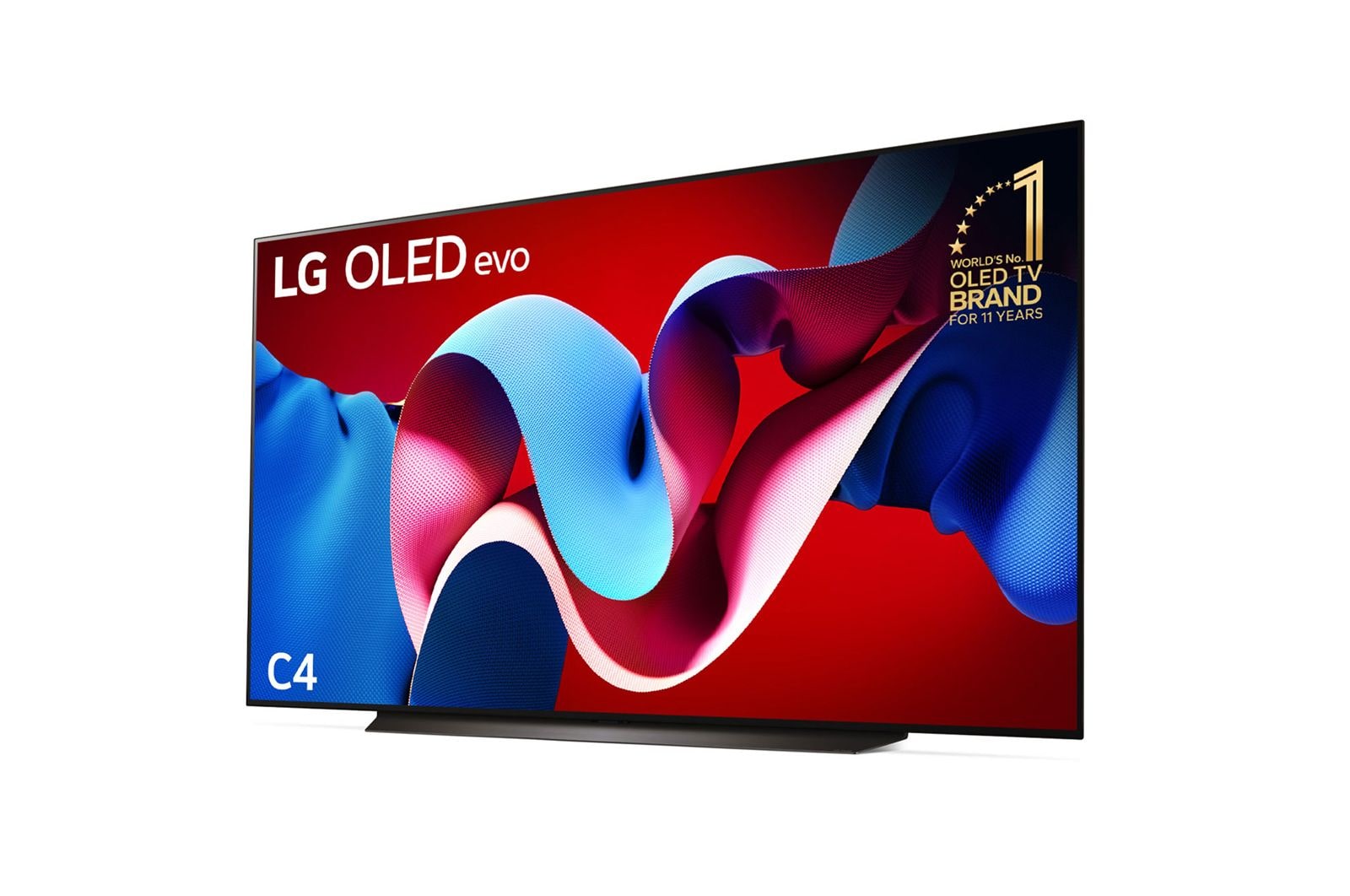
The LG C4 OLED represents a meaningful evolution in LG's popular C-Series lineup, offering improved brightness over its predecessor while maintaining the perfect blacks and vibrant colors that make OLED technology compelling. Powered by the α9 Gen7 AI Processor, this 2024 model introduces 144Hz support for PC gaming and delivers excellent performance across movies, sports, and console gaming. The C4 handles HDR content with authority, reaching over 1,000 nits peak brightness in testing, creating an impactful viewing experience especially when highlights contrast against inky black levels. Four HDMI 2.1 ports ensure compatibility with current and future gaming hardware, while webOS 24 provides a streamlined smart TV experience with improved user profiles and organization. Direct reflections remain a concern in bright rooms, and the TV loses significant brightness when switched to Game Optimizer mode. Audio performance is merely adequate, suggesting most users will benefit from an external soundbar. Despite these limitations, the C4 delivers exceptional picture quality, gaming features, and overall value that cement its position as one of the most capable mid-range OLEDs available.[^1][^2][^3][^4][^5]
Philips OLED909
The Philips OLED909 represents a high-performance OLED television equipped with second-generation MLA panel technology, four-sided Ambilight lighting, and an integrated Bowers \& Wilkins 3.1-channel sound system. This 2024 model features the 8th generation P5 AI processor, delivers peak brightness measurements exceeding 1,400 nits, and supports comprehensive HDR formats including Dolby Vision and HDR10+. Available exclusively in European markets in 55-inch, 65-inch, and 77-inch configurations, the OLED909 targets enthusiasts seeking premium picture quality combined with distinctive ambient lighting and superior built-in audio. Despite exceptional technical capabilities, the television faces intense competition from similarly priced flagship models while delivering picture quality remarkably close to its more affordable OLED809 sibling.[^1][^2][^3]
Sony BRAVIA XR A95L
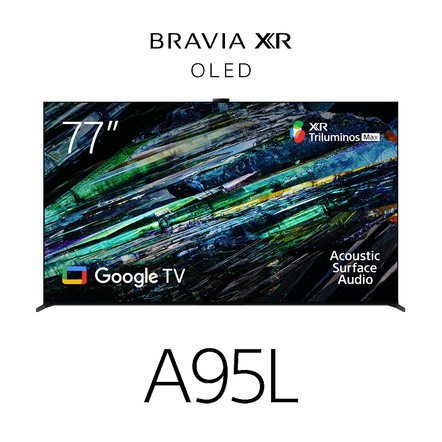
The Sony BRAVIA XR A95L represents the pinnacle of consumer television technology, combining a second-generation Quantum Dot OLED panel with Sony's Cognitive Processor XR to create one of the most critically acclaimed displays of recent years. This flagship model delivers exceptional HDR brightness - up to 200% brighter than its predecessor - while maintaining the perfect blacks and near-infinite contrast ratio inherent to OLED technology. What distinguishes the A95L from competitors is Sony's legendary video processing, which excels at upscaling lower-resolution content, handling motion without artifacts, and preserving the filmmaker's intent with remarkable color accuracy. The TV arrives with Google TV integration, Acoustic Surface Audio+ technology that vibrates the screen to emit sound, and a BRAVIA CAM for gesture control and ambient optimization. While the A95L commands premium positioning, it faces practical limitations: only two HDMI 2.1 ports (with one shared with eARC) frustrate users with multiple next-gen gaming consoles, and input lag measures higher than competing Samsung and LG models. Initial vertical banding issues on dark content have been reported by some users, though these typically resolve after several months of use. Despite these concerns, professional reviewers and consumers consistently praise the A95L as delivering reference-quality imagery that justifies consideration for cinephiles and discerning viewers who prioritize picture fidelity above all else.[^2][^3][^4][^5][^6][^7][^8][^9][^10][^11][^1]
TCL QM6K QLED
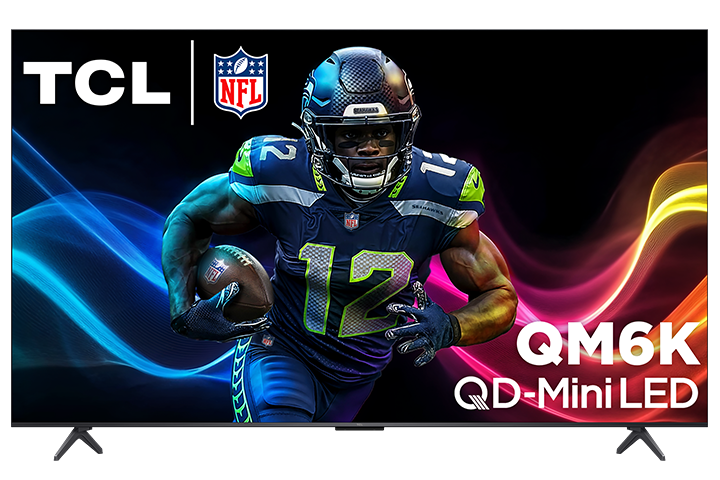
The TCL QM6K represents a significant step forward in the entry-level mini-LED segment, launching in early 2025 as one of the first televisions to market this year. This television leverages quantum dot technology with mini-LED backlighting to deliver deep blacks, vibrant colors, and exceptional out-of-the-box accuracy that punches well above its sub-\$1000 price point. TCL's proprietary Halo Control System minimizes the blooming effect common in zone-dimmed displays, while a native 144Hz refresh rate and Game Accelerator 240 feature make this a compelling choice for gamers. However, the television struggles with peak HDR brightness compared to premium competitors, and the built-in speaker system fails to match the visual performance. For viewers upgrading from older LED panels or seeking excellent value in the mid-range segment, the QM6K delivers a surprisingly premium experience at an entry-level investment.[^1][^2][^3][^4][^5]

Sony BRAVIA 8 II
The Sony BRAVIA 8 II represents Sony's 2025 QD-OLED offering, positioned between the carried-over BRAVIA 8 and the flagship BRAVIA 9. This television utilizes Samsung's fourth-generation QD-OLED panel paired with Sony's upgraded Cognitive Processor XR, delivering what multiple reviewers describe as exceptionally refined, cinematic picture quality that excels straight out of the box. The BRAVIA 8 II stands out for its nuanced color accuracy, superior shadow detail handling, and organic three-dimensional image depth that captures the aesthetic intent of filmmakers more completely than most competitors. However, the television faces criticism for brightness levels that fall noticeably short of rivals like the Samsung S95F and LG G5, despite using the same QD-OLED panel technology. The built-in Acoustic Surface Audio+ system turns the entire screen into a speaker, delivering surprisingly robust sound that positions this among the best-sounding televisions available without external audio. Available in 55-inch and 65-inch sizes, the BRAVIA 8 II targets enthusiasts who prioritize picture refinement and accuracy over peak brightness performance.[^1][^2][^3][^4][^5][^6]

QN90D Neo QLED 4K TV
The Samsung QN90D represents a significant step forward in the Neo QLED lineup, delivering exceptional HDR performance with peak brightness reaching over 2,000 nits and excellent local dimming control. This upper mid-range 4K television excels in bright room viewing while maintaining deep blacks in dark environments, making it versatile for varied lighting conditions. Powered by Samsung's NQ4 AI Gen2 processor and equipped with four HDMI 2.1 ports supporting up to 144Hz refresh rates, the QN90D targets enthusiasts who demand high performance for both content consumption and gaming. Despite its impressive technical capabilities, the television faces criticism for omitting Dolby Vision support and an ATSC 3.0 tuner, features increasingly expected at this price point. The TV also exhibits noticeable brightness reduction when switching to Game Mode and suffers from slower pixel response times compared to competing models. Available in seven sizes ranging from 43 to 98 inches, the QN90D offers flexibility for different room configurations, though consumers should weigh its premium positioning against more affordable alternatives that deliver comparable or superior performance in specific areas.[^1][^2]