
TVs
Best Picks
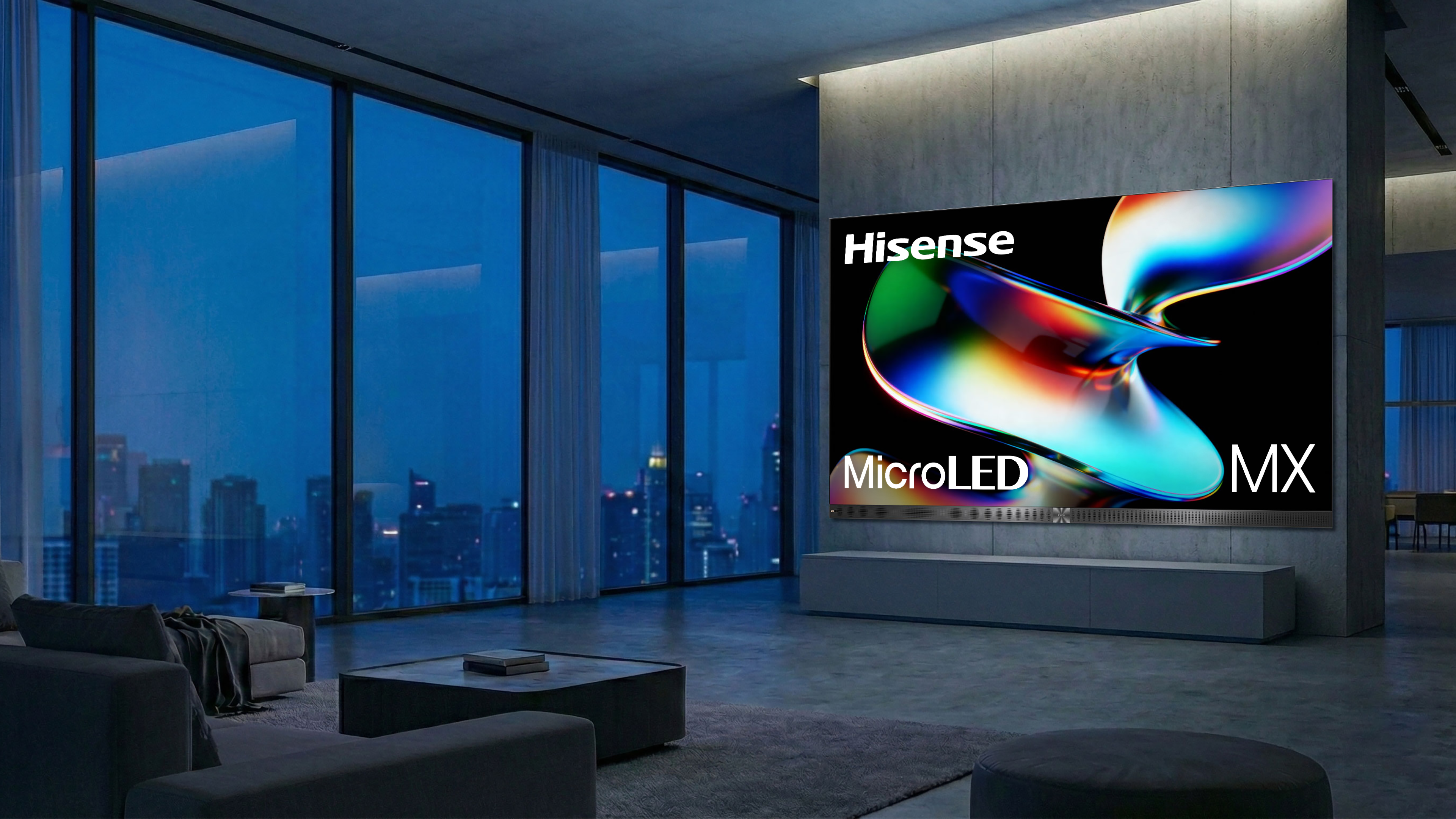
Best TVs from CES 2026
Bring the cinema home.
Best 4K TVs of 2026
Find the Perfect 4K Television for Stunning Picture Quality and Seamless Streaming
Best OLED TVs of 2026
Premium OLED TVs That Deliver Perfect Blacks and Vivid Color for Cinematic Home Viewing
Best Sports TVs of 2026
Top Picks for Motion, Brightness, and Game-Day Clarity

Best QLED TVs of 2026
Elevate Your Viewing with High-Performance QLED Televisions
Best Budget TVs of 2026
Premium Features Without the Premium Price
Reviews
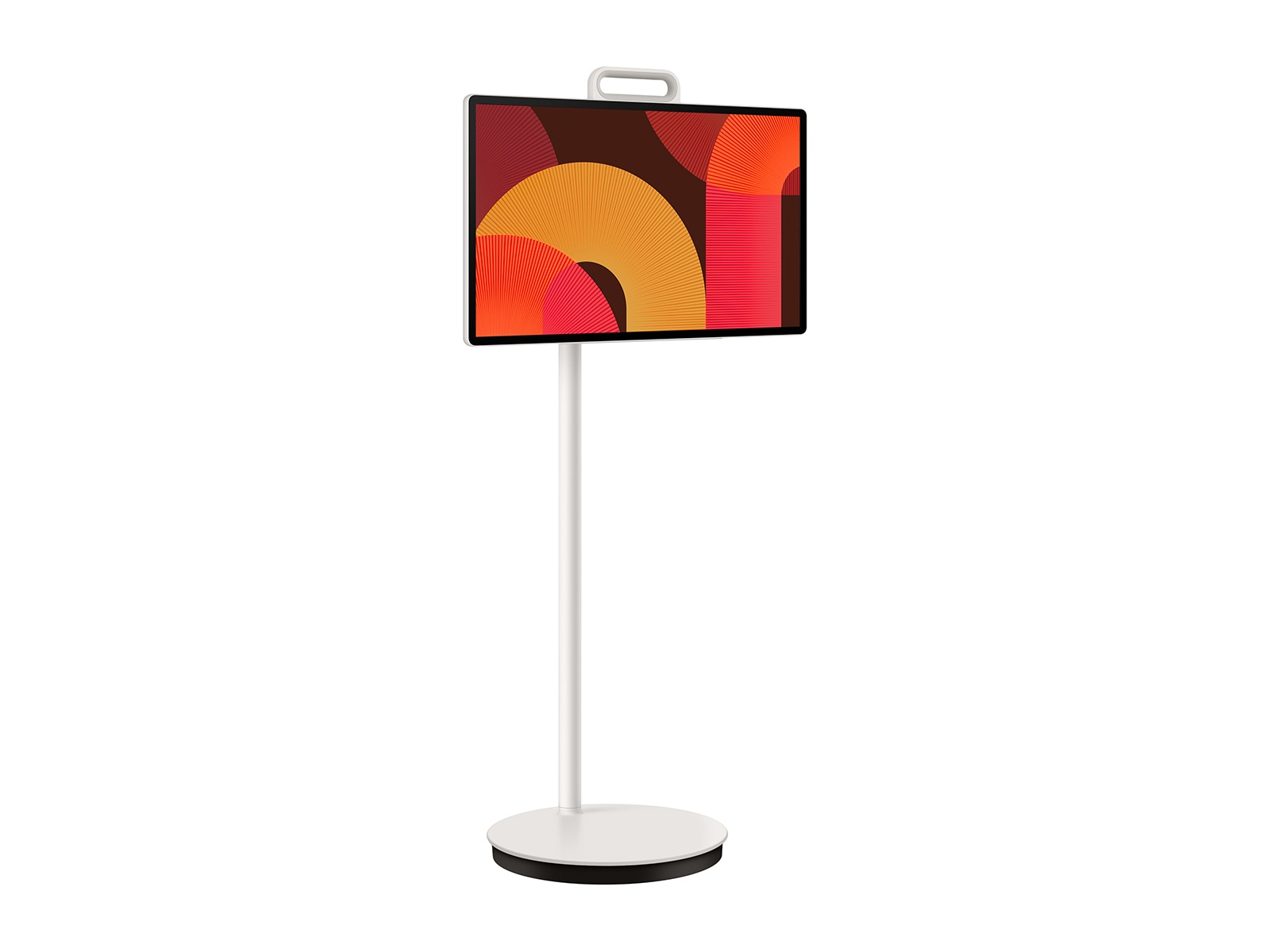
Samsung Movingstyle: Flexible, Portable Entertainment That Moves With You
The Samsung Movingstyle is a fresh take on television, blending portability, a 27-inch touchscreen, and smart features for flexible viewing. Critics highlight its rolling, detachable design, intuitive controls, and surprising audio quality, while users love the freedom to move their entertainment from room to room or even outdoors. If you want a TV that adapts to your lifestyle, Movingstyle is a playful, practical choice for modern homes.

Samsung S95F OLED
The Samsung S95F represents the pinnacle of the brand's OLED evolution, featuring a fourth-generation QD-OLED panel that pushes brightness boundaries while eliminating reflections through an improved matte coating. This 2025 flagship achieves what seemed impossible: an OLED that excels in sunlit rooms without sacrificing the deep contrast and vibrant colors that define premium display technology. Powered by Samsung's NQ4 AI Gen3 processor and supporting up to 165Hz refresh rates, the S95F targets discerning viewers who refuse to compromise between daytime usability and cinematic picture quality. While the absence of Dolby Vision and minor shadow detail limitations prevent perfection, this television delivers a viewing experience that competes with any display on the market.[^1][^2][^3][^4]
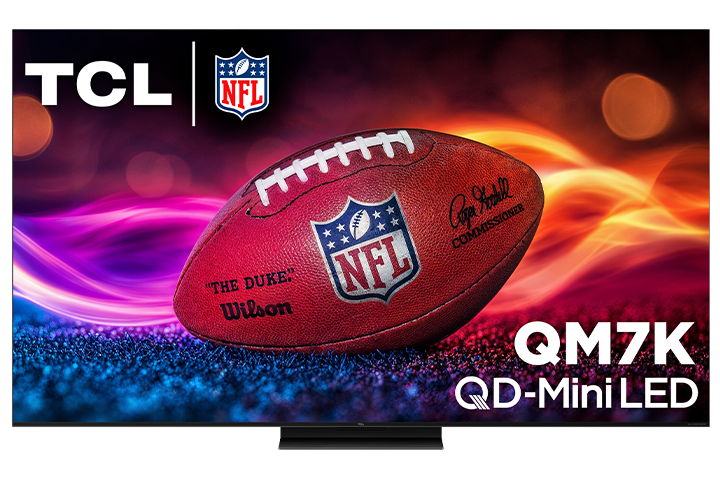
TCL QM7K QLED
The TCL QM7K QLED represents a compelling mid-range mini-LED television that delivers professional-grade picture quality without premium pricing. Released in 2025, this quantum dot display features up to 2,800 local dimming zones, impressive HDR brightness reaching over 1,700 nits, and native 144Hz refresh rates that cater equally to cinephiles and competitive gamers. The television's standout feature is TCL's proprietary Halo Control technology, which effectively minimizes the blooming artifacts that typically plague mini-LED displays. With Bang \& Olufsen-tuned audio, comprehensive HDR format support including Dolby Vision IQ and HDR10+, and Google TV smart platform integration, the QM7K positions itself as a versatile entertainment hub. Available in six sizes from 55 to 115 inches, this television targets consumers seeking near-flagship performance without the associated cost premium.[^1][^2][^3]

Samsung S90F OLED
The Samsung S90F OLED represents a sweet spot in the 2025 OLED television market, delivering near-flagship picture quality at a mid-range position. This display leverages Quantum Dot OLED technology in select models to achieve exceptional color volume, covering 100% of the UHDA-P3 gamut and an impressive 89% of the Rec2020 color space. With four full-bandwidth HDMI 2.1 inputs supporting 4K at 144Hz, the S90F caters equally to cinephiles and gamers . The television features Samsung's NQ4 AI Gen3 processor, which powers upscaling and processing duties while running the mature Tizen operating system. While it lacks Dolby Vision support and anti-glare technology found on the flagship S95F, the S90F compensates with strong HDR brightness reaching 1,162 nits and remarkable contrast. Available in six sizes from 42 to 83 inches, the display uses different panel technologies depending on size and region, with larger models featuring QD-OLED panels and smaller variants using WOLED technology.[^1][^2][^3]
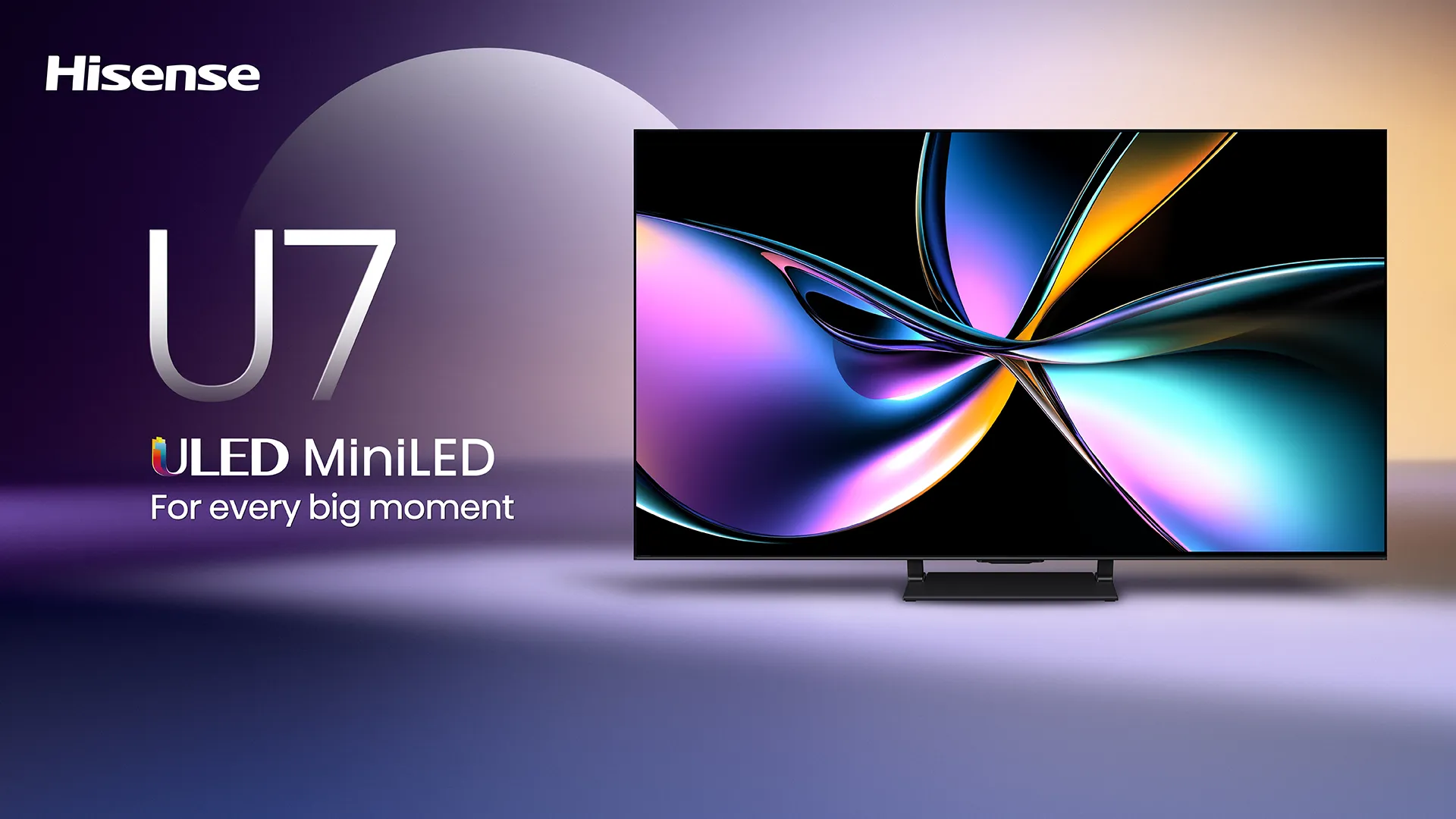
Hisense U7QAU: The Mini-LED Powerhouse Redefining Mid-Range Performance
The Hisense U7QAU stands as a formidable contender in the Australian television market, bridging the gap between budget screens and enthusiast-grade displays. Featuring Mini-LED technology and a 144Hz native refresh rate, it caters heavily to gamers and sports fans.
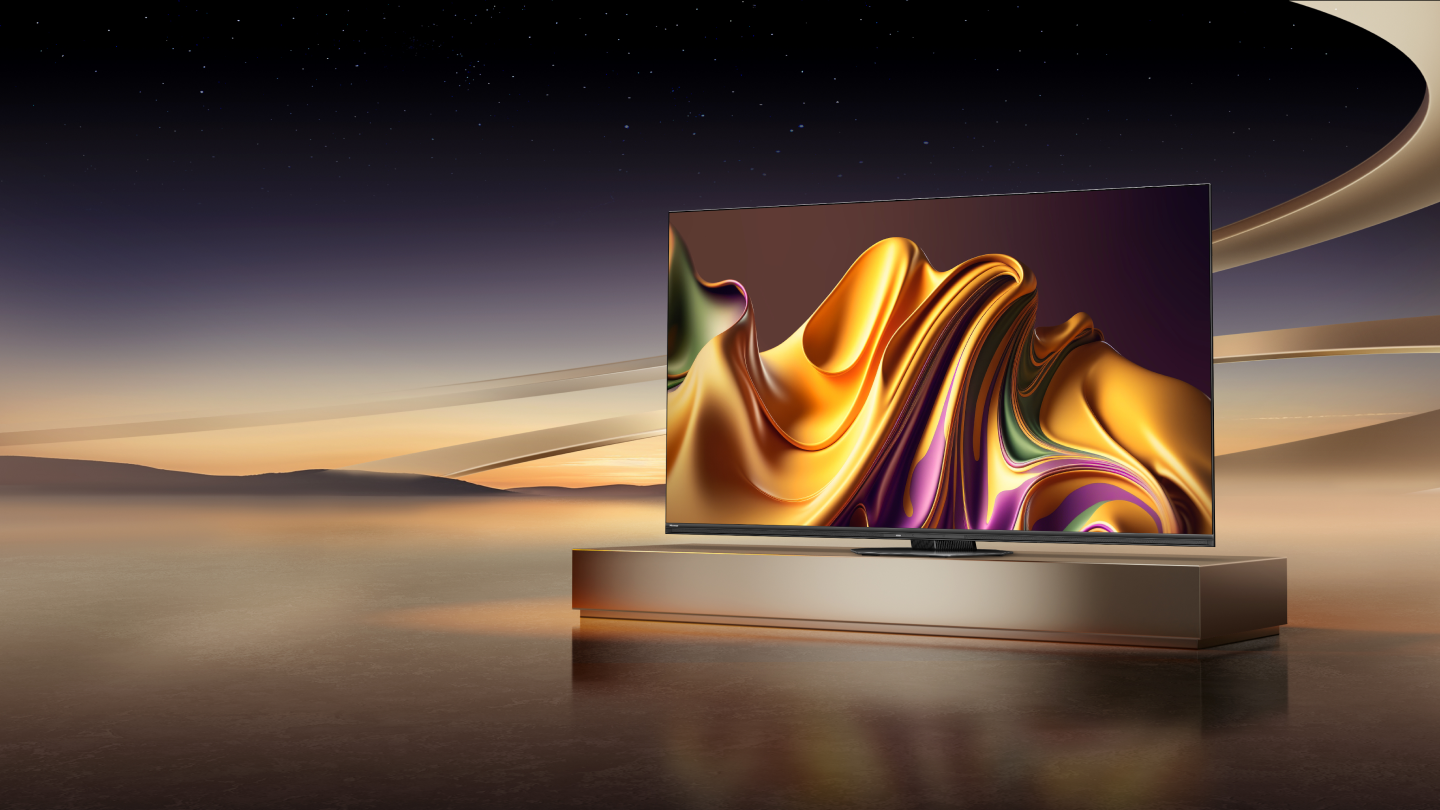
Hisense U8N
The Hisense U8N represents a compelling value proposition in the 2024 television market, delivering performance characteristics that rival far more expensive models. This mini-LED QLED television achieves record-breaking brightness levels exceeding 3,000 nits while maintaining impressive contrast ratios and color accuracy. Positioned as a successor to the popular U8K, the U8N refines its predecessor's formula with improved local dimming control across up to 2,000+ zones on larger models and enhanced gaming features including 144Hz refresh rates. Critics consistently praise its ability to deliver OLED-like black levels at a fraction of the cost, though some note compromises in viewing angles and motion processing. For consumers seeking theatrical brightness, gaming versatility, and excellent HDR performance without premium positioning, the U8N emerges as one of 2024's most recommended televisions.[^2][^3][^4][^5][^6][^7][^1]
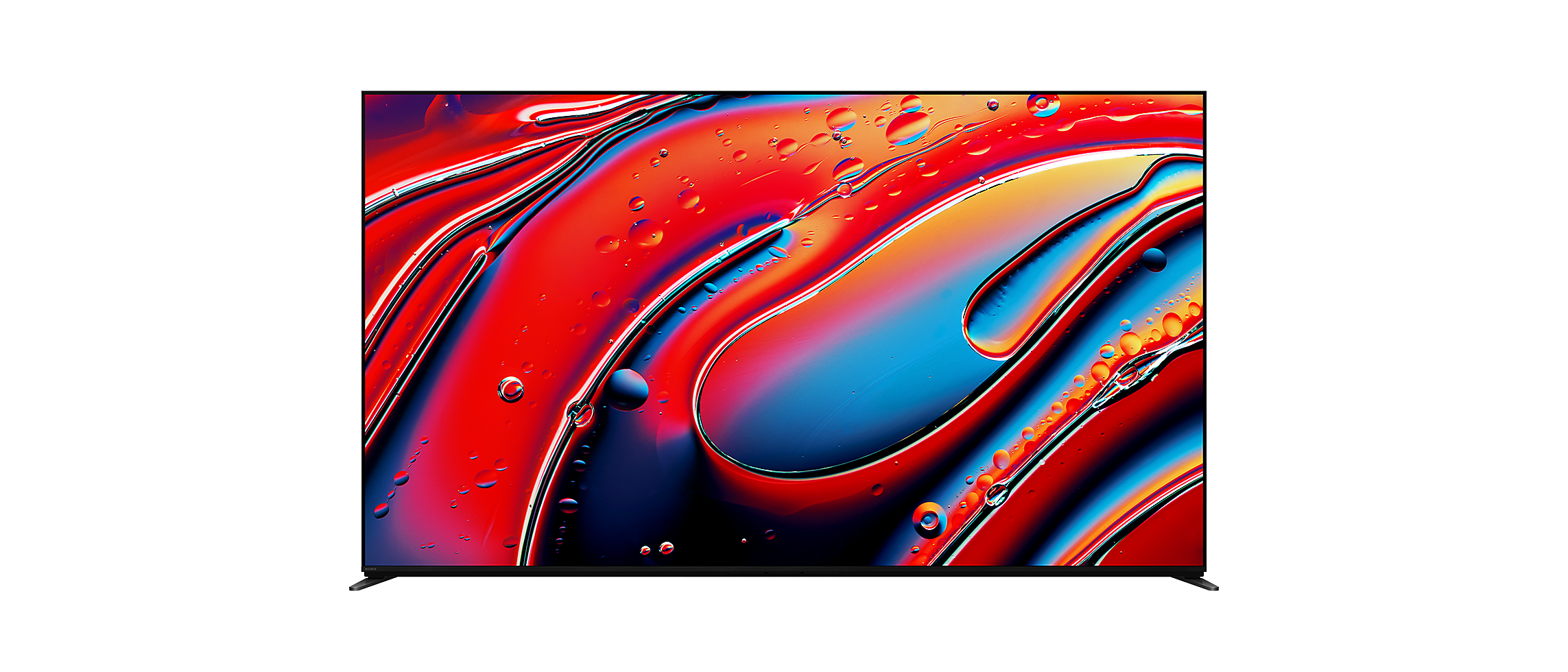
Sony BRAVIA 9 (K-65XR90, K-75XR90, K-85XR90)
The Sony BRAVIA 9 represents Sony's most ambitious foray into Mini-LED technology, featuring the company's XR Backlight Master Drive system that controls thousands of individually-addressable LEDs with precision borrowed from professional mastering monitors. This flagship model achieves record-breaking brightness levels while maintaining exceptional black depth and minimal blooming, characteristics typically reserved for OLED displays. With measured peak HDR brightness exceeding 2,200 nits and outstanding color accuracy, the BRAVIA 9 delivers a cinematic experience that satisfies both enthusiast videophiles and everyday viewers. The TV runs Google TV, includes beam tweeters for enhanced audio, and supports gaming features like 4K at 120Hz with VRR on two HDMI 2.1 ports. While it carries inherent LCD limitations like narrower viewing angles and occasional blooming in specific game modes, the BRAVIA 9's combination of Mini-LED brightness with Sony's industry-leading processing makes it one of the most compelling high-end LCD televisions available.[^1][^2][^3][^4][^5][^6]
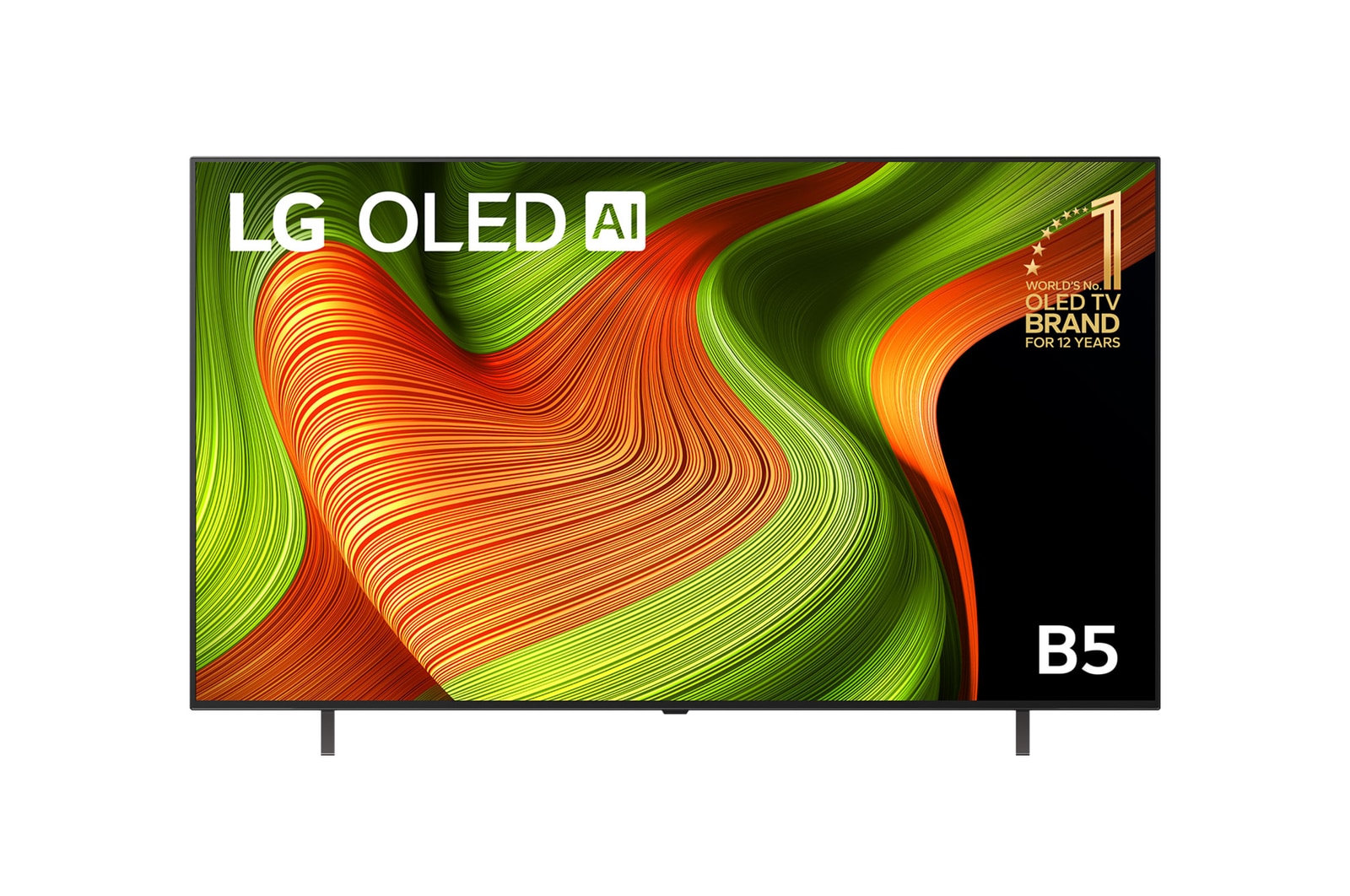
LG B5 OLED
The LG B5 OLED represents LG's most affordable entry into OLED technology for 2025, offering the core advantages of self-lit pixels, perfect blacks, and vibrant colors at an accessible price point. Powered by the α8 AI Processor 4K Gen2, this television excels in dark room viewing and gaming scenarios, delivering near-instantaneous response times and comprehensive HDMI 2.1 support across all four ports. However, the B5 faces meaningful limitations in brightness output and reflection handling that compromise daytime viewing experiences. Most notably, this model shows virtually no performance improvement over the 2024 B4, raising questions about its value proposition. The television runs webOS 25 and includes features like 120Hz native refresh rate, Dolby Vision support, and excellent out-of-the-box color accuracy, making it suitable for home theater enthusiasts and gamers who can control ambient lighting.[^1][^2][^3]
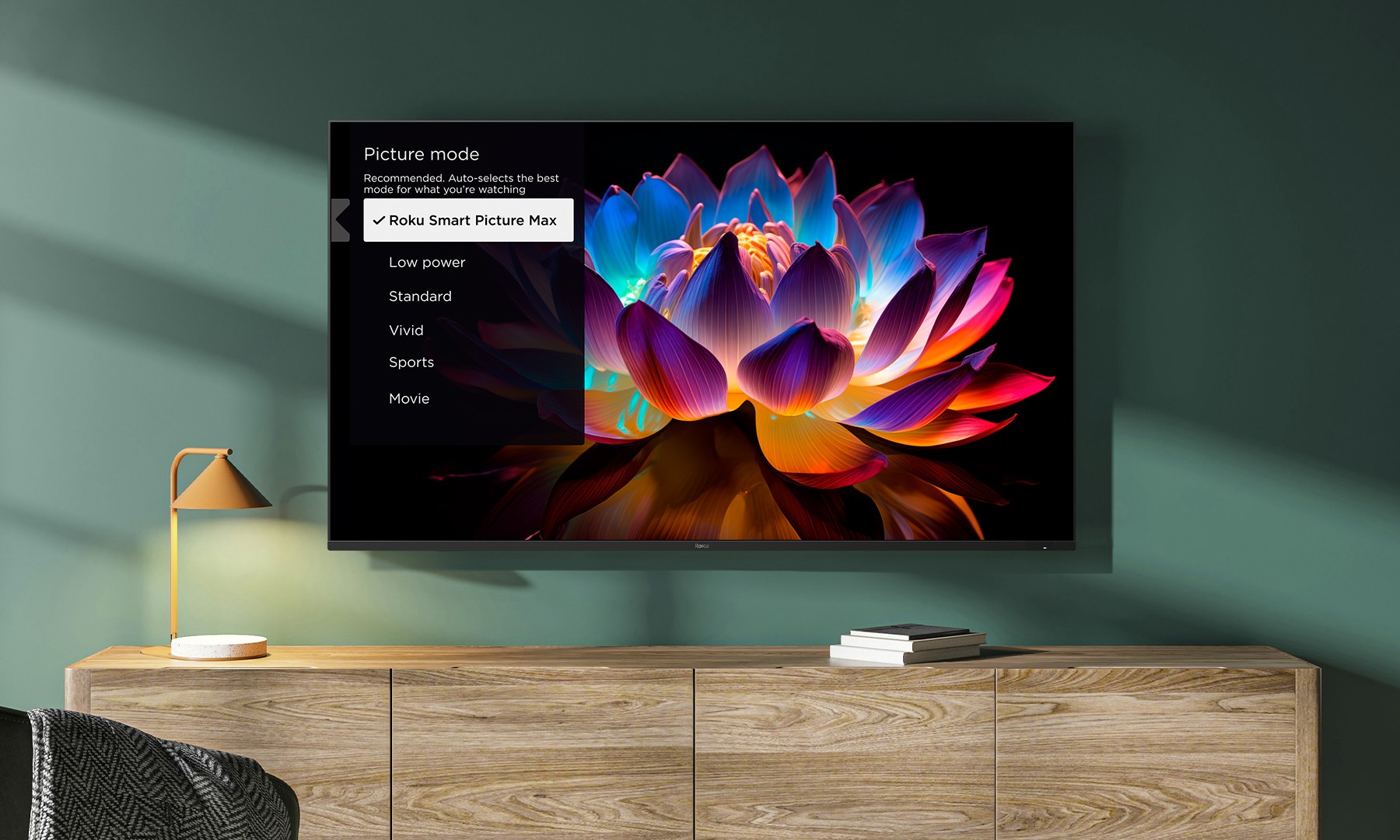
Roku Pro Series
The Roku Pro Series represents the streaming giant's most ambitious television to date, bringing Mini-LED backlighting technology and quantum dot color to a competitive price bracket. Testing across both 2024 and 2025 models reveals a television optimized for bright room viewing and straightforward usability, with exceptional SDR performance and the kind of interface simplicity that made Roku a household name. The 2025 refresh addresses previous weaknesses with improved contrast, refined color accuracy, and enhanced audio output via a slit-loaded speaker system that delivers surprisingly convincing stereo separation. However, technical compromises persist: HDR content displays overly bright, colors stray from filmmaker intent, and the narrow viewing angle restricts placement flexibility. For buyers prioritizing user experience, bright room performance, and Roku's vast streaming ecosystem over reference-grade image fidelity, the Pro Series delivers compelling value against competitors from TCL and Hisense.[^1][^2][^3][^4][^5]