
Reviews
In-depth, scored reviews to help you pick the right product.
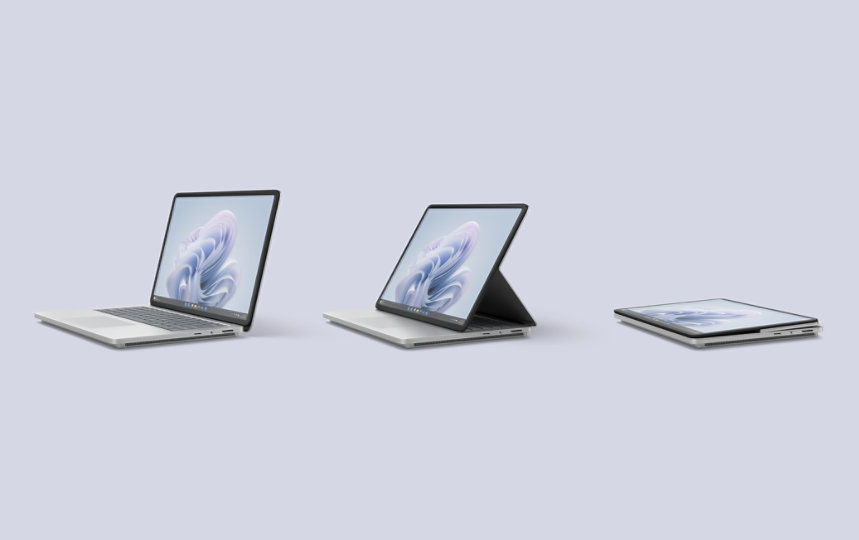
Microsoft Surface Laptop Studio 2
Microsoft's Surface Laptop Studio 2 represents a refined evolution of the company's distinctive convertible laptop, pairing 13th Gen Intel processors with Nvidia RTX 40-series graphics in a chassis designed to transform between laptop, easel, and tablet modes. The device targets creative professionals and power users who need a single machine capable of handling design work, gaming, and traditional productivity tasks. While the hardware delivers competitive performance and the 120Hz touchscreen impresses, the Studio 2 faces stiff competition from both Windows alternatives and Apple's MacBook Pro lineup. The absence of an included Surface Slim Pen 2 stylus at prices starting near \$2,000 undermines the device's tablet functionality, and battery life falls short of Microsoft's claims. For users who genuinely need the unique convertible form factor and can justify the premium, the Studio 2 delivers a capable all-in-one solution, but most buyers may find better value elsewhere.[^1][^2][^3][^4][^5]
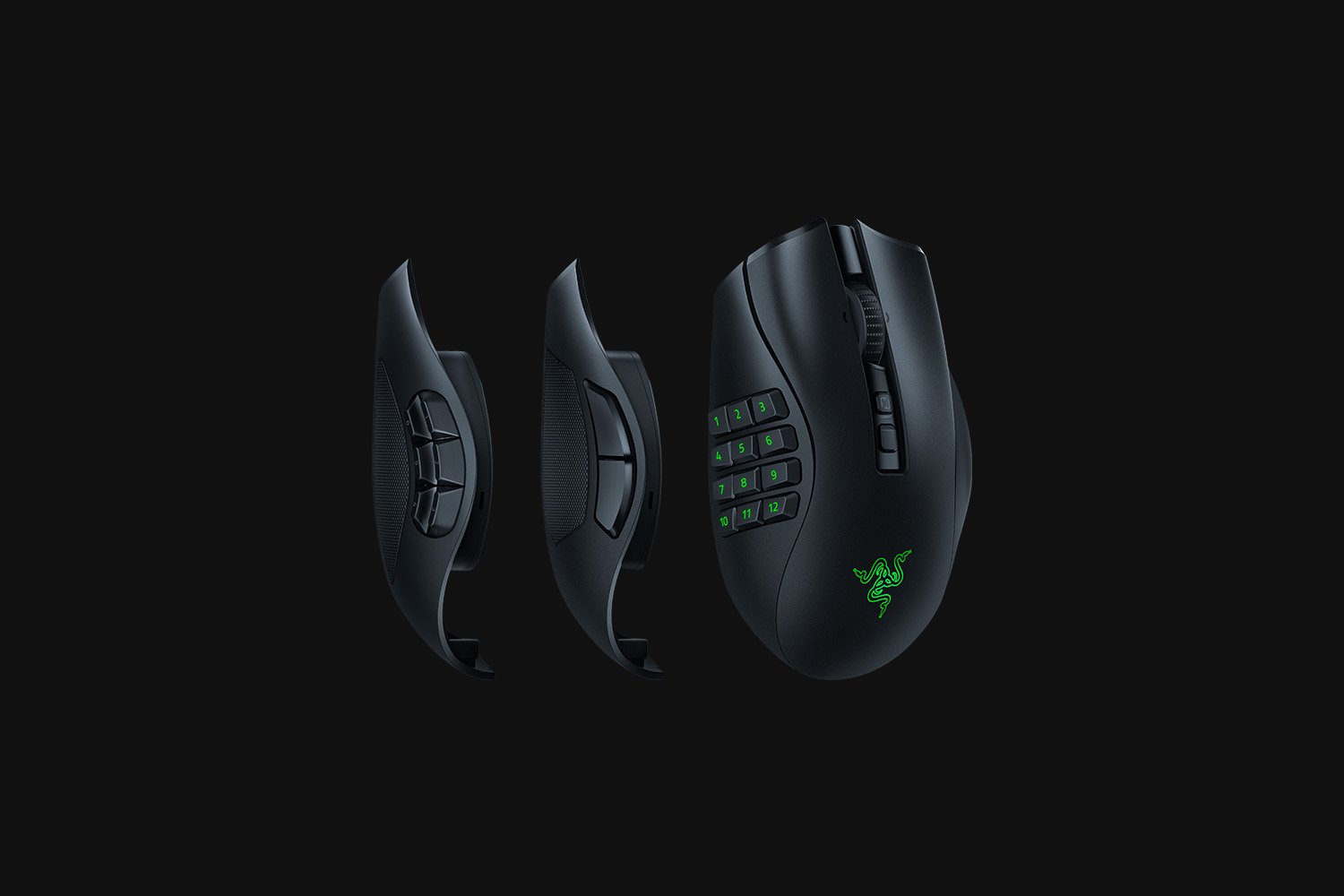
The Shape-Shifting King: Why the Razer Naga V2 Pro Remains the Ultimate MMO Weapon
The Razer Naga V2 Pro is a flagship multi-genre wireless gaming mouse that succeeds the popular Naga Pro. It distinguishes itself through three interchangeable side plates (2, 6, and 12-button configurations) and the debut of the HyperScroll Pro Wheel, which offers six levels of adjustable resistance and tactile feedback via software. Built with the Focus Pro 30K Optical Sensor and Gen-3 Optical Switches, it targets high-end users who jump between MMOs, MOBAs, and FPS titles. While its weight and software dependency are notable, its performance and adaptability set a new industry benchmark for modular peripherals.

TP-Link Archer BE3600 Review: Breaking the Price Barrier for Wi-Fi 7 Connectivity
The TP-Link Archer BE3600 is a dual-band Wi-Fi 7 router designed to provide a low-cost entry point into the latest wireless standard. By focusing on essential features like Multi-Link Operation (MLO) and 4K-QAM while omitting the expensive 6GHz band, it offers a pragmatic upgrade for users with 2.5Gbps internet plans who want the reliability of Wi-Fi 7 without the "enthusiast" price tag.

The Budget Legend That Refuses to Retire: A Deep Dive into the Logitech G203
The Logitech G203 Lightsync remains a cornerstone of the gaming peripheral market. Despite the industry's shift toward ultra-lightweight wireless mice, the G203's combination of a legendary symmetrical shape, reliable sensor performance, and vibrant RGB integration keeps it relevant. It serves as the gold standard for entry-level gaming, offering a premium feel without the premium price tag, though it faces stiff competition from modern budget rivals.

Google Pixel 9 Pro
The Google Pixel 9 Pro represents the pinnacle of Google’s "Pro" evolution, finally offering flagship-tier camera hardware in a pocketable 6.3-inch form factor. While the Tensor G4 processor doesn't win the benchmark wars against Apple or Samsung, the device excels in real-world fluidity, AI-driven photography, and a sophisticated industrial design.
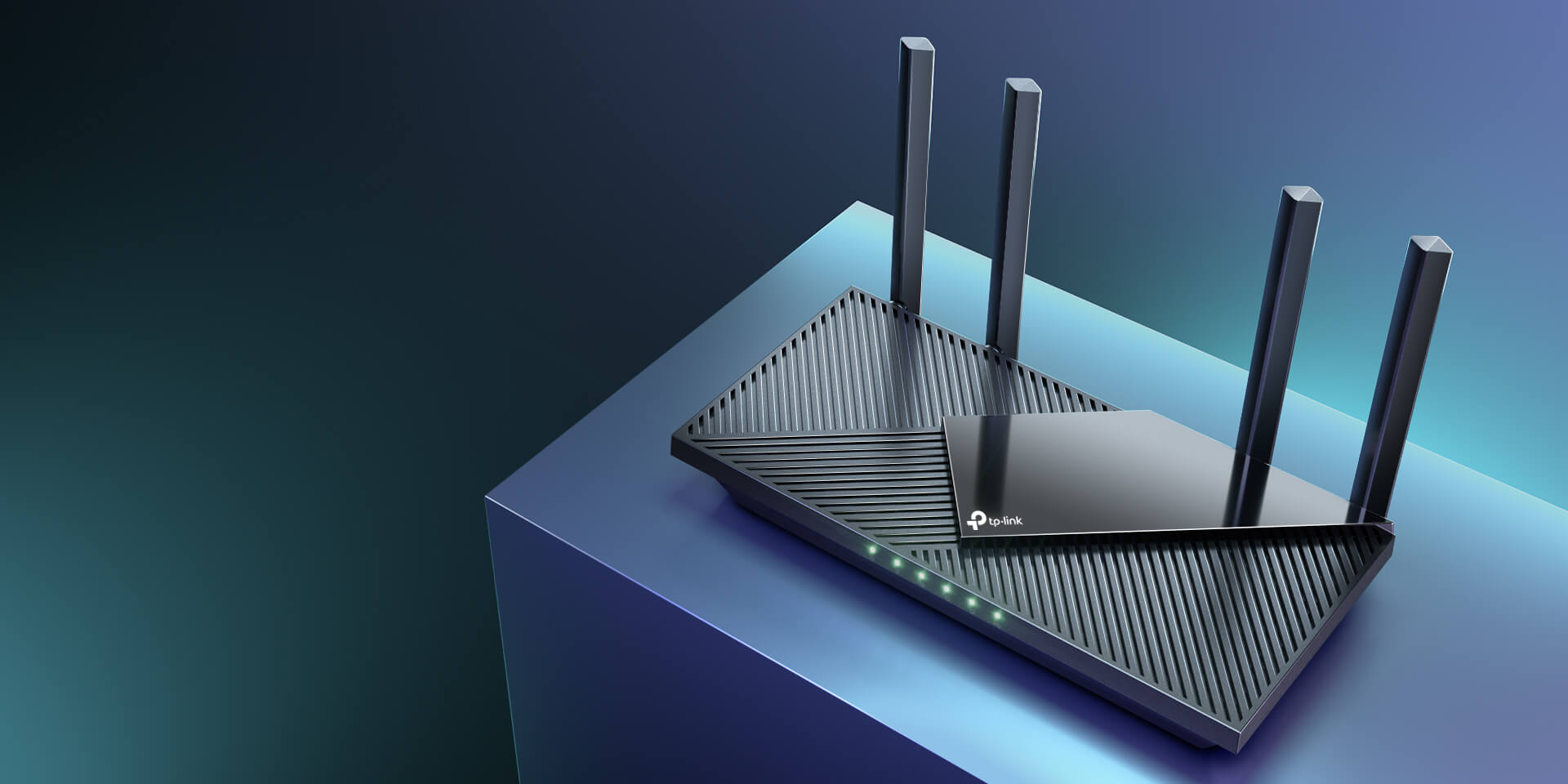
TP-Link Archer AX55 Review: The Mid-Range Wi-Fi 6 Powerhouse That Just Works
The TP-Link Archer AX55 (AX3000) is a dual-band Wi-Fi 6 router designed for the modern household crowded with smartphones, smart TVs, and IoT devices. It balances raw throughput with practical features like HomeShield security and OneMesh compatibility. While it lacks the 2.5Gbps ports found on high-end gaming rigs, its efficiency in handling multiple concurrent streams and its impressive 5GHz range make it a top contender for users upgrading from older Wi-Fi 5 hardware.
TCL QM8K
The TCL QM8K represents a significant leap forward in mini LED technology, delivering flagship-level performance that challenges both premium OLED and competing mini LED displays. This 2025 model features TCL's new WHVA panel technology with up to 3,800 dimming zones, peak brightness exceeding 3,000 nits in testing, and comprehensive gaming support including 4K at 144Hz and 1080p at 288Hz. The television employs quantum dot enhancement for vibrant color reproduction and supports all major HDR formats including Dolby Vision and HDR10+. While out-of-box color accuracy requires calibration for critical viewing, the combination of deep uniform blacks, exceptional brightness control, and Bang \& Olufsen-tuned audio creates a compelling package that trades blows with displays costing substantially more.[^1][^2][^3]
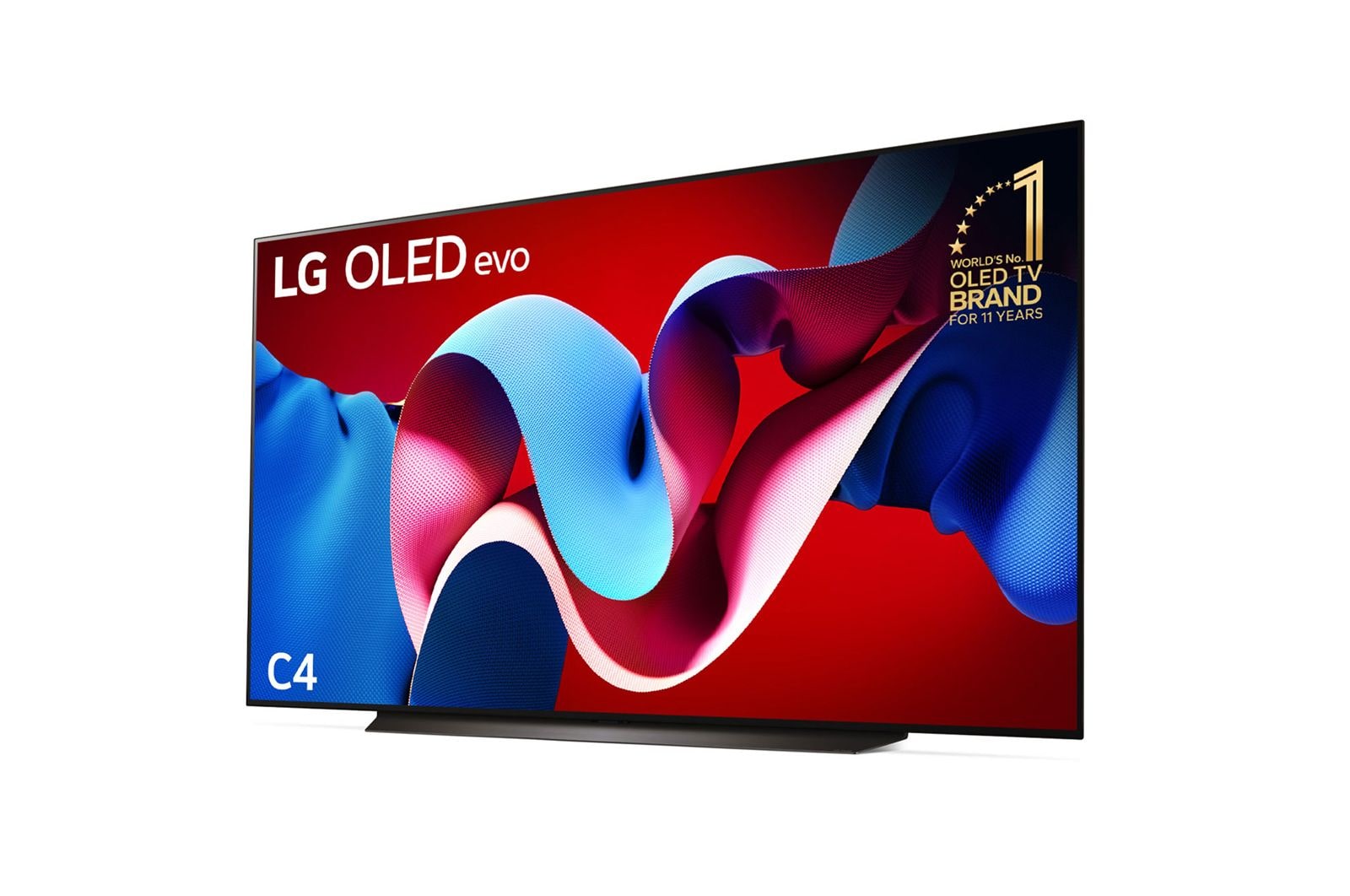
LG C4 OLED
The LG C4 OLED represents a meaningful evolution in LG's popular C-Series lineup, offering improved brightness over its predecessor while maintaining the perfect blacks and vibrant colors that make OLED technology compelling. Powered by the α9 Gen7 AI Processor, this 2024 model introduces 144Hz support for PC gaming and delivers excellent performance across movies, sports, and console gaming. The C4 handles HDR content with authority, reaching over 1,000 nits peak brightness in testing, creating an impactful viewing experience especially when highlights contrast against inky black levels. Four HDMI 2.1 ports ensure compatibility with current and future gaming hardware, while webOS 24 provides a streamlined smart TV experience with improved user profiles and organization. Direct reflections remain a concern in bright rooms, and the TV loses significant brightness when switched to Game Optimizer mode. Audio performance is merely adequate, suggesting most users will benefit from an external soundbar. Despite these limitations, the C4 delivers exceptional picture quality, gaming features, and overall value that cement its position as one of the most capable mid-range OLEDs available.[^1][^2][^3][^4][^5]
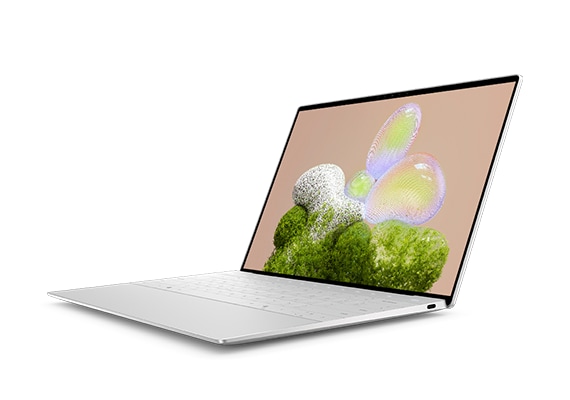
Dell XPS 13
The Dell XPS 13 represents one of the most refined ultraportable Windows laptops available, with recent models featuring Intel's Lunar Lake processors delivering remarkable battery life that extends beyond 18 hours. The laptop's tandem OLED display option stands out as a vivid, high-quality screen suitable for both productivity and content creation. Dell has maintained its premium build quality and minimalist aesthetic while keeping the chassis under 13mm thin and approximately 2.6 pounds. However, the XPS 13's controversial redesign introduces friction points including an invisible haptic trackpad, capacitive touch function bar, and extremely limited port selection with only two USB-C Thunderbolt 4 ports. These design decisions, while visually striking, compromise the practical usability that made earlier XPS 13 generations universally praised.[^1][^2][^3][^4][^5][^6][^7][^8]
Philips OLED909
The Philips OLED909 represents a high-performance OLED television equipped with second-generation MLA panel technology, four-sided Ambilight lighting, and an integrated Bowers \& Wilkins 3.1-channel sound system. This 2024 model features the 8th generation P5 AI processor, delivers peak brightness measurements exceeding 1,400 nits, and supports comprehensive HDR formats including Dolby Vision and HDR10+. Available exclusively in European markets in 55-inch, 65-inch, and 77-inch configurations, the OLED909 targets enthusiasts seeking premium picture quality combined with distinctive ambient lighting and superior built-in audio. Despite exceptional technical capabilities, the television faces intense competition from similarly priced flagship models while delivering picture quality remarkably close to its more affordable OLED809 sibling.[^1][^2][^3]

The Lightweight Legend: Why the Cooler Master MM711 Remains a Top-Tier Contender
The Cooler Master MM711 is a specialized, ultra-lightweight gaming mouse featuring a distinctive honeycomb shell design and vibrant RGB lighting. Building on the success of the MM710, it adds aesthetic flair while maintaining a weight of approximately 60g. Equipped with a high-end PixArt PMW3389 sensor and a highly flexible "Ultraweave" cable, it caters specifically to FPS gamers and users who prefer a claw or fingertip grip.
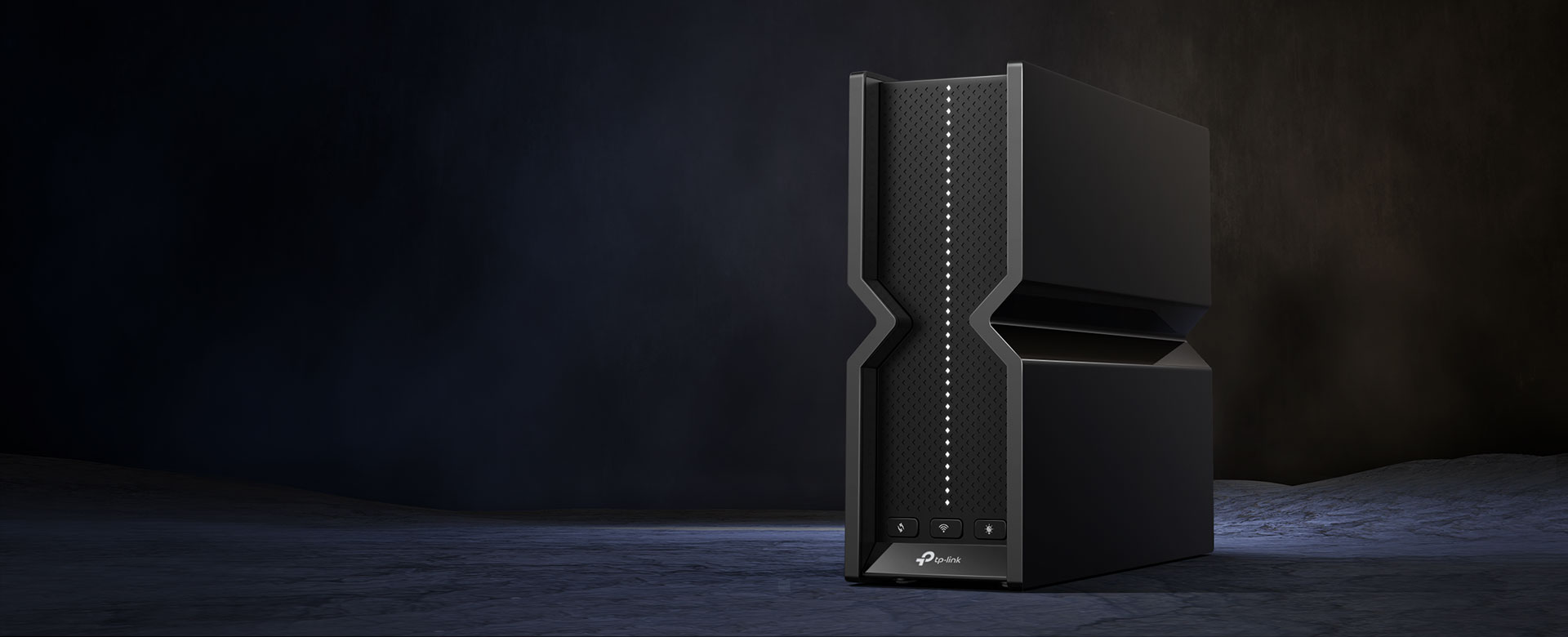
TP-Link Archer BE550: The Practical Gateway to the Wi-Fi 7 Revolution
The TP-Link Archer BE550 (BE9300) represents a pivotal shift in networking, offering the high-end capabilities of Wi-Fi 7—including the 6GHz band and Multi-Link Operation (MLO)—in a sleek, reasonably sized chassis. With a full suite of 2.5Gbps ports, it addresses the bottleneck of modern fiber connections, making it one of the most balanced routers for the average power user.

The Gold Standard of Ergonomics: Why the Evoluent VerticalMouse Remains the King of Handshake Grips
The Evoluent VerticalMouse, specifically the latest "D" series, continues to lead the ergonomic market by adhering to a strict 90-degree "handshake" posture. Unlike hybrid mice that offer a slight tilt, Evoluent focuses on total forearm de-pronation to alleviate Carpal Tunnel and repetitive strain symptoms. Featuring customizable buttons, high-quality optical sensors, and various sizes (Small, Medium, Large), it remains the preferred choice for medical professionals and power users who prioritize long-term musculoskeletal health over sleek aesthetics.

Motorola Razr Ultra
The Motorola Razr Ultra (Razr 50 Ultra) represents the pinnacle of clamshell foldable evolution. By prioritizing the external display utility and refining the hinge mechanics, Motorola has transitioned the Razr from a nostalgic fashion statement into a high-performance productivity tool. Featuring the Snapdragon 8s Gen 3 chipset and a stunning 165Hz pOLED display, it challenges the status quo by allowing users to operate almost any app without unfolding the device.
Asus Zenbook 14 OLED Touch
The Asus Zenbook 14 OLED Touch represents a mature evolution in premium ultraportable design, delivering a harmonious balance of performance, portability, and visual excellence. This 2.82-pound laptop features a stunning 2880x1800 OLED touchscreen with 120Hz refresh capability, Intel Core Ultra 7 processors, and a 75Wh battery that consistently delivers over 12 hours of real-world use. The device excels in productivity workflows with 32GB of soldered LPDDR5X RAM and 1TB storage, housed in a fingerprint-prone but premium aluminum chassis. While the keyboard feels slightly mushy and thermal throttling affects sustained workloads, the combination of build quality, display excellence, comprehensive port selection including dual Thunderbolt 4, and competitive specifications make this a compelling choice for professionals prioritizing portability without sacrificing screen quality.[^1][^2][^3][^4][^5]
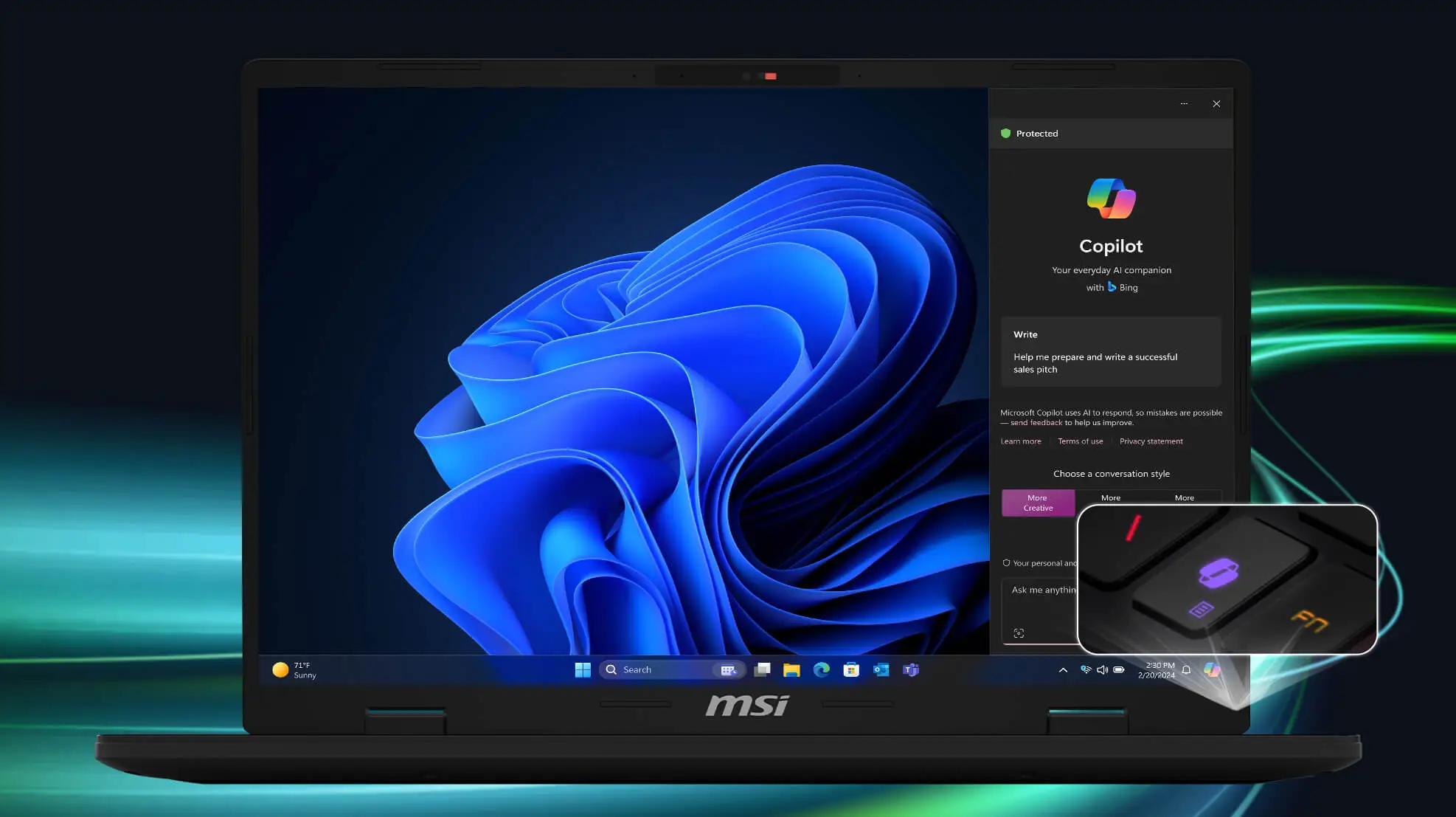
MSI Crosshair 16 HX
The MSI Crosshair 16 HX positions itself as a versatile gaming laptop that balances portability with performance. Equipped with either Intel Core i7 14700HX or Core Ultra 9 275HX processors paired with RTX 4060 or RTX 5070 GPUs, the Crosshair 16 HX features a 16-inch QHD+ (2560x1600) 240Hz IPS display. The laptop stands out for its exceptional thermal management system, Cooler Boost 5 technology that keeps temperatures remarkably low even under sustained load. While the build quality feels premium and the keyboard offers satisfying tactile feedback, the pairing of a high-refresh display with mid-tier graphics creates a performance mismatch. The device excels at productivity tasks and CPU-intensive workloads but requires settings adjustments to achieve frame rates that match the display capability.[^1][^2][^3]
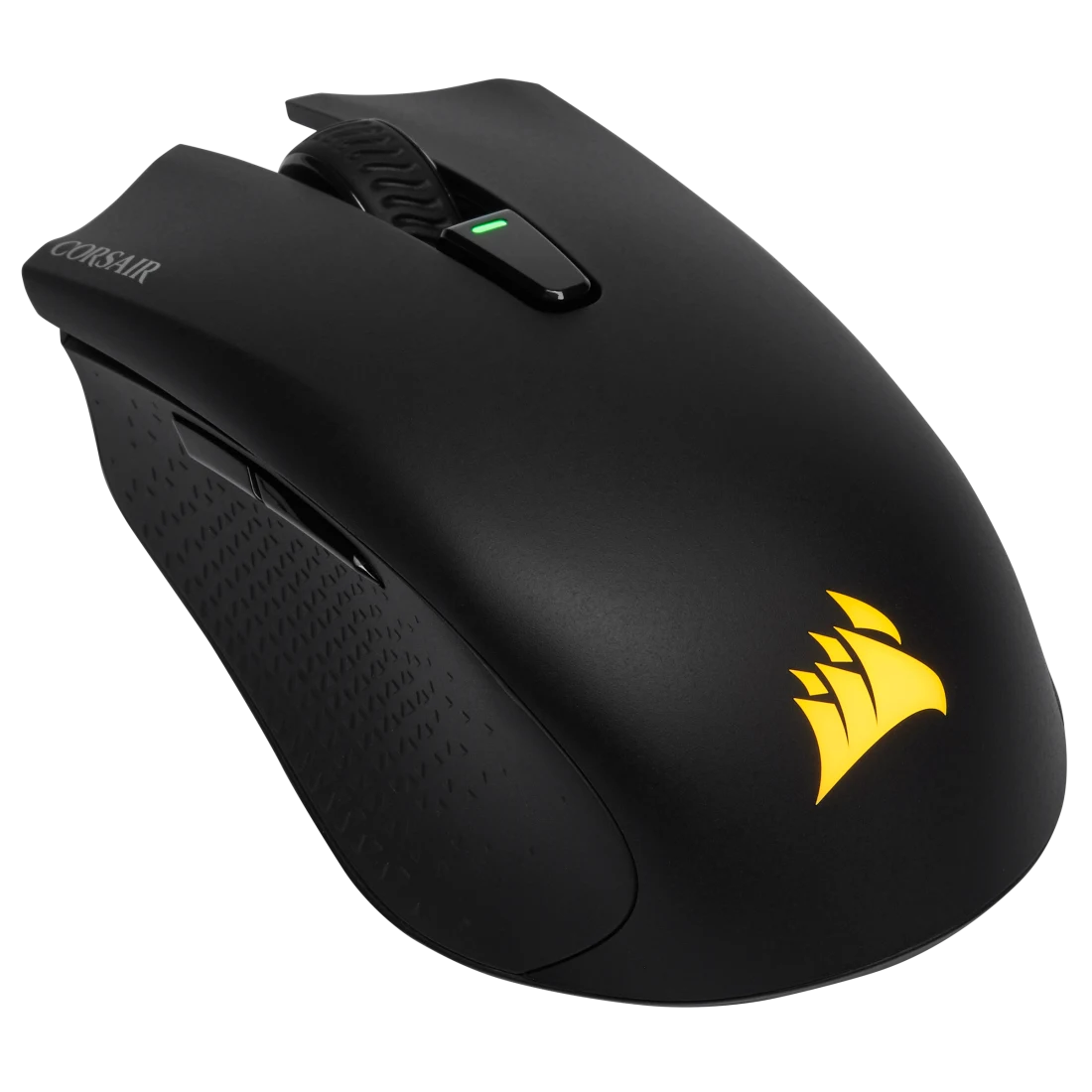
Corsair Harpoon RGB Pro: The Lightweight King of Budget Precision
The Corsair Harpoon RGB Pro remains a staple in the entry-level gaming market. Known for its lightweight 85g chassis and contoured shape, it caters specifically to claw and fingertip grip players who prioritize agility over a plethora of macro buttons. While it lacks the high-end sensors of its more expensive siblings, its 12,000 DPI optical sensor and Omron switches provide a reliable, no-frills experience for competitive play.
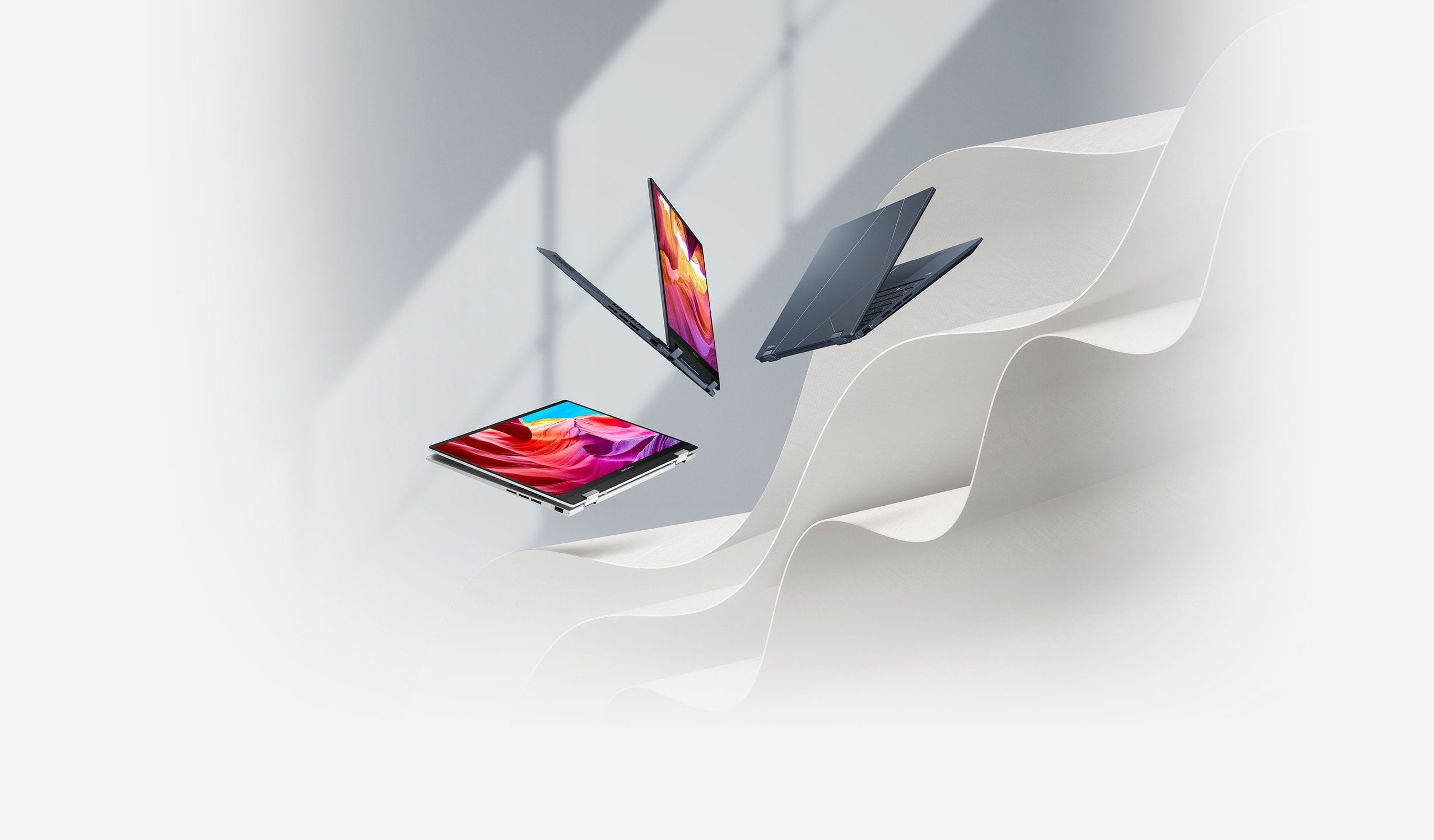
Asus ZenBook Flip S Evo
The Asus ZenBook Flip S Evo represents one of the first Intel Evo-certified convertibles featuring 11th Gen Tiger Lake processors and Thunderbolt 4 connectivity. This 2-in-1 ultrabook delivers exceptional color accuracy through its 4K OLED touchscreen and maintains an impressively lightweight 1.2kg chassis. However, the premium display technology demands substantial power, resulting in below-average battery endurance that falls short of competing systems. Professional reviewers praised its sophisticated design language and solid everyday performance, while consumers consistently highlighted the vivid screen quality but noted concerns about thermal management and hinge stiffness. The system targets mobile professionals and content creators who prioritize visual fidelity and portability over marathon battery sessions.[^1][^2][^3][^4][^5][^6][^7]